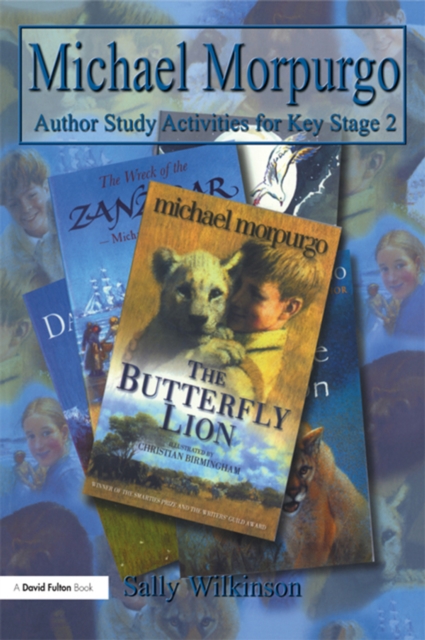
This innovative series is designed to help primary teachers plan focused sessions on the work of popular, well-loved and valued authors, both classic and contemporary.
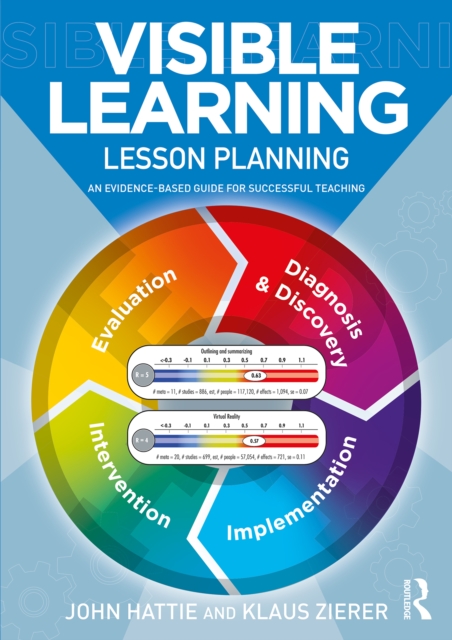
In Visible Learning: Lesson Planning, John Hattie and Klaus Zierer make explicit how to implement the world-famous Visible Learning(R) research into the bedrock of teaching and preparation - lesson planning.
Researchers in education are interested in the study of learners, teachers, professional support staff, parents and other participants in schools and other educational institutions.
Researchers in education are interested in the study of learners, teachers, professional support staff, parents and other participants in schools and other educational institutions.
Using many examples drawn from classroom practice, this guide supports and aims to extend the student teacher's own subject knowledge and understanding of science in the context of the primary classroom.
Using many examples drawn from classroom practice, this guide supports and aims to extend the student teacher's own subject knowledge and understanding of science in the context of the primary classroom.
This text explores the practical implications of a research focus for each area of the primary curriculum, including RE, drama and ICT, along with the special needs and promoting positive behaviour.
This text explores the practical implications of a research focus for each area of the primary curriculum, including RE, drama and ICT, along with the special needs and promoting positive behaviour.
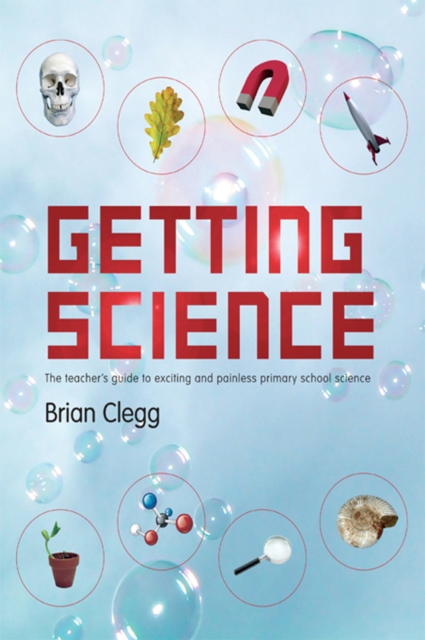
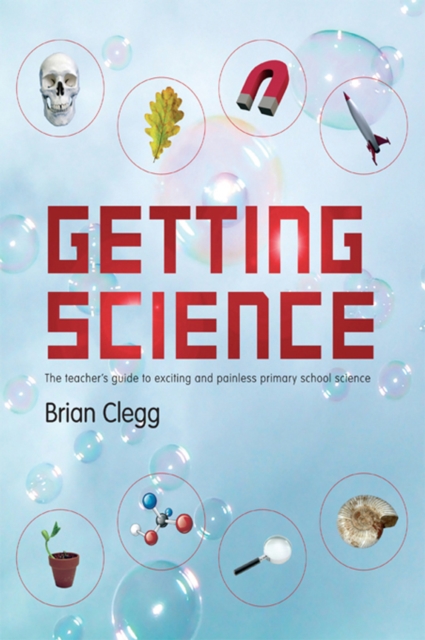
Science is rightly a fundamental part of primary school education, but that doesnt make it easy to teach - especially for teachers without a science background.
Science is rightly a fundamental part of primary school education, but that doesnt make it easy to teach - especially for teachers without a science background.
This work shows how primary schools can cost-effectively enable children from damaging backgrounds to have real access to a full curriculum through nuture groups.
This work shows how primary schools can cost-effectively enable children from damaging backgrounds to have real access to a full curriculum through nuture groups.
Creative Approaches to Physical Education provides guidance on how to develop innovative new approaches to the delivery of each area of the National Curriculum for PE at Key Stages 2 and 3.
Creative Approaches to Physical Education provides guidance on how to develop innovative new approaches to the delivery of each area of the National Curriculum for PE at Key Stages 2 and 3.
Imagine having a years worth of lesson plans at your fingertipsa PHSE and Citizenship in Circle Time is an invaluable resource for teachers and classroom assistants.
Imagine having a years worth of lesson plans at your fingertipsa PHSE and Citizenship in Circle Time is an invaluable resource for teachers and classroom assistants.
Creative Learning in the Primary School uses ethnographic research to consider the main features of creative teaching and learning within the context of contemporary policy reforms.
Creative Learning in the Primary School uses ethnographic research to consider the main features of creative teaching and learning within the context of contemporary policy reforms.
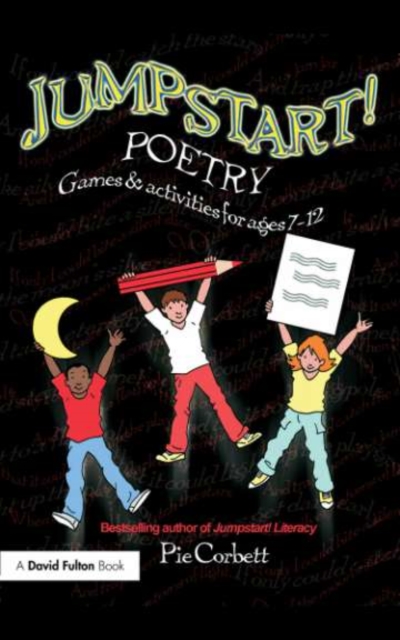
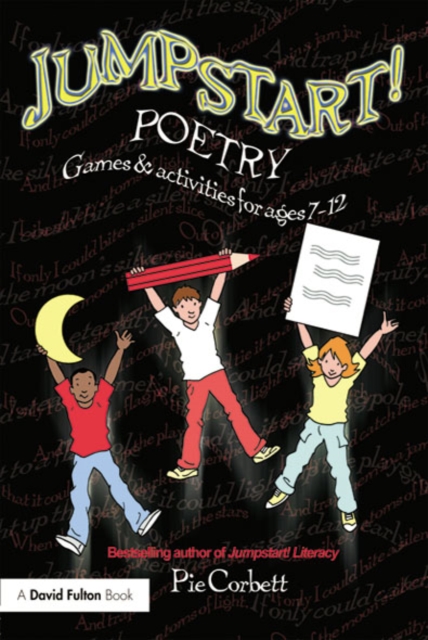
A good poetry idea should help the children feel excited about writing and enable them to think of what to write - developing their imagination, creativity and writing skills.
A good poetry idea should help the children feel excited about writing and enable them to think of what to write - developing their imagination, creativity and writing skills.
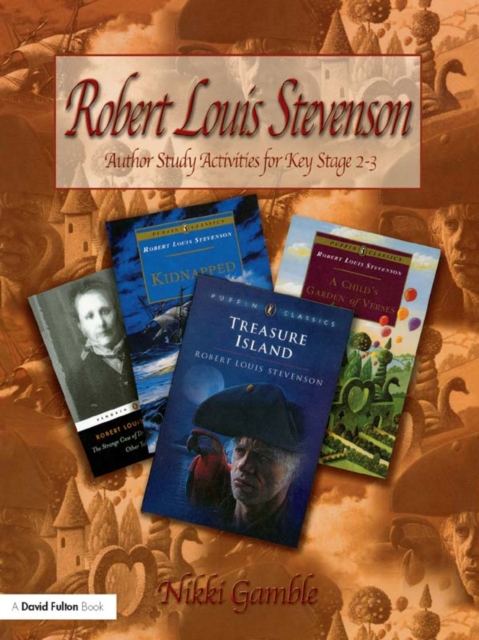
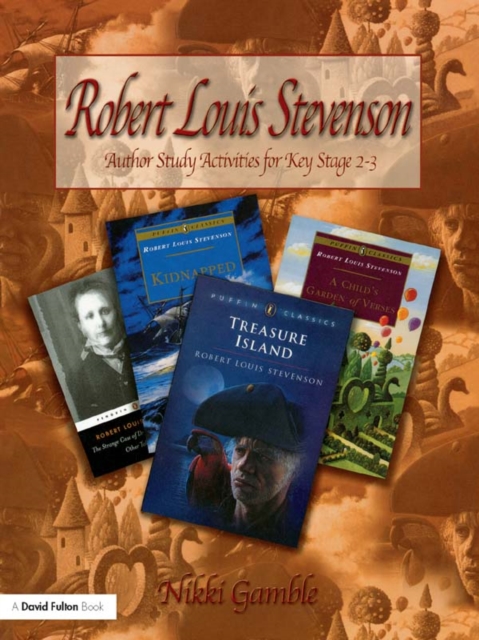
Enthralling readers with books like The Strange Case of Dr Jekyll and Mr Hyde and Treasure Island, Robert Louis Stevenson is an enduring force in the world of fiction.
Enthralling readers with books like The Strange Case of Dr Jekyll and Mr Hyde and Treasure Island, Robert Louis Stevenson is an enduring force in the world of fiction.
In Environmental Learning for Classroom and Assembly at KS1 & KS2, the highly successful and popular author Mal Leicester teams up with the conservationist Denise Taylor to teach children about wildlife and environmental conservation through the art of storytelling.
In Environmental Learning for Classroom and Assembly at KS1 & KS2, the highly successful and popular author Mal Leicester teams up with the conservationist Denise Taylor to teach children about wildlife and environmental conservation through the art of storytelling.