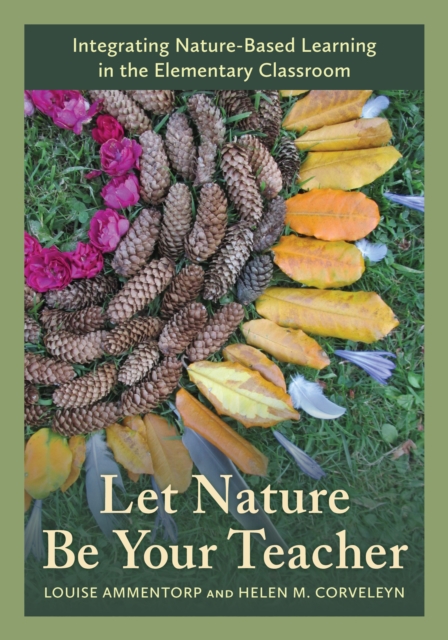
Let Nature Be Your Teacher: Integrating Nature-Based Learning in the Elementary Classroom advocates for a transformative shift in elementary education through incorporating nature-based learning into the curriculum.
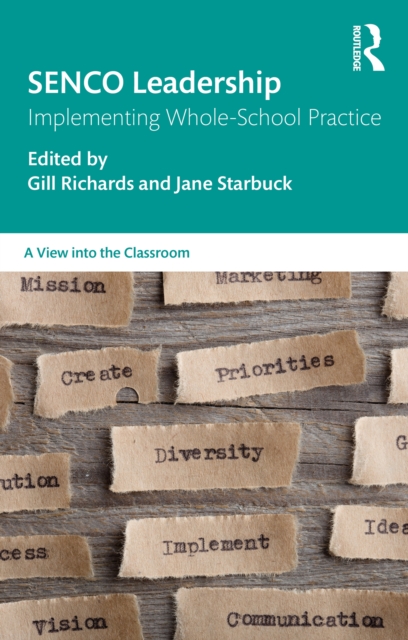
Written by SENCOs for SENCOs and other school leaders, this book shares innovative, strategic and practical whole-school developments that have been trialed and reviewed through research with colleagues, students and families.
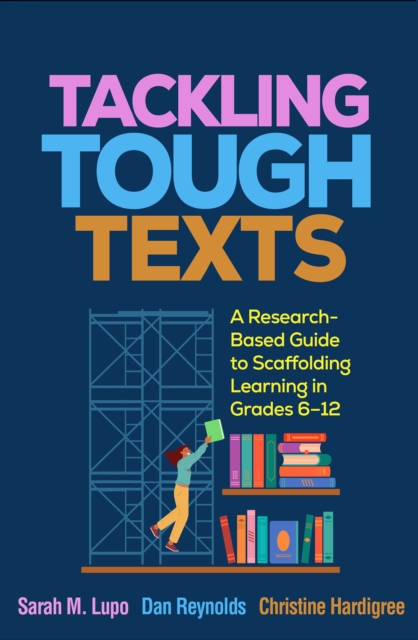
Filling a crucial need, this book provides concrete ways to support all students in grades 612 as they engage with rigorous grade-level texts in English language arts, science, and social studies.
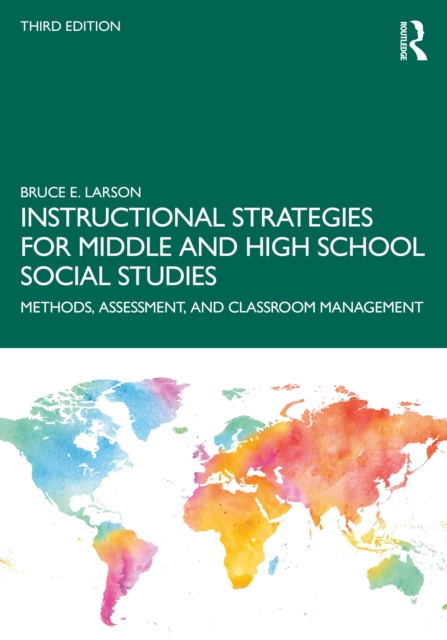
Instructional Strategies for Middle and High School Social Studies: Methods, Assessment, and Classroom Management is an exciting methods-based text that integrates appropriate management and assessment techniques with seven distinct teaching strategies for pre-service social studies teachers.
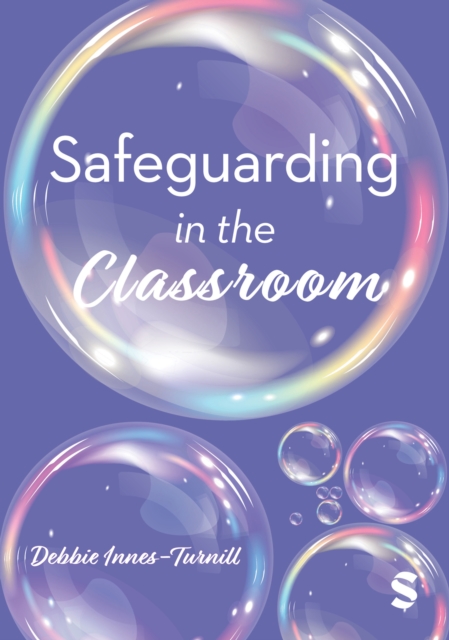
This is the guide to safeguarding for anyone training to teach in primary or secondary schools and qualified teachers wishing to deepen their professional knowledge.
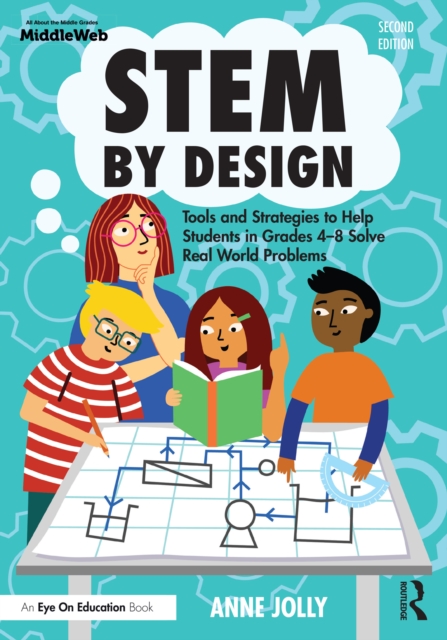
The second edition of this practical, how-to guide from expert STEM teacher Anne Jolly reveals the secrets behind designing projects that involve students in using science, math, and technology to engineer solutions for real-world problems.
First Published in 1987, Handwriting reviews theory and research on handwriting, and on children who have handwriting problems, and draws out principles and recommendations for practitioners.
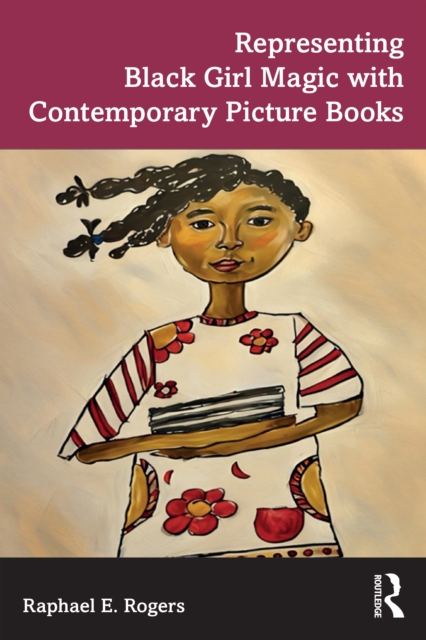
Representing Black Girl Magic with Contemporary Picture Books explores how contemporary, culturally relevant, and responsive picture books can provide educators with a chance to teach about race and racism in the classroom.
Learn how to thoughtfully embed the tenants of peace education into your own life, classroom, curriculum and school culture with this practical and timely guidebook that features action steps across developmental levels.
Inviting readers on a journey of self-reflection, Educaring from the Heart offers an approach to education which places care, empathy, and compassion at the core of the educator's role.
A clear and compelling text written by teachers, psychologists, and educationalists, Relational Practice: New Approaches to Mental Health and Wellbeing in Schools proposes a dynamic and relational approach to supporting the mental health needs of children and young people within education.
Gathering contributions from leading scholars around the world, this handbook offers a comprehensive resource on the most recent advances in research surrounding the theories, methodologies, and applications of science learning progressions.
Written for busy teachers, this practical manual defines terms, shares examples and provides evidence-based information and strategies to support the teaching of twice-exceptional students.
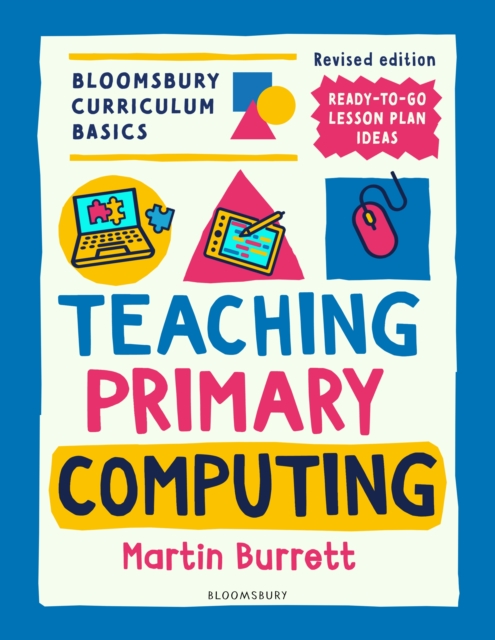
The Bloomsbury Curriculum Basics series provides non-specialist primary school teachers with subject knowledge and full teaching programmes in a variety of key primary curriculum subjects.
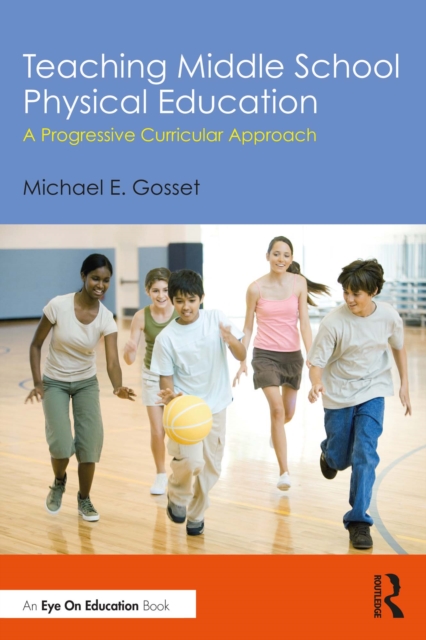
This resource supports Middle School Physical Education teachers in promoting healthy activity levels among their students, both in and outside the PE facilities.
Authentischer Insider- Einblick: Die Autorin ist als Lehrerin und Mutter selbst Teil des Systems und kennt die Schwächen des Bildungssystems, das Potenzialentfaltung meist be- bzw.
Inviting readers on a journey of self-reflection, Educaring from the Heart offers an approach to education which places care, empathy, and compassion at the core of the educator's role.
This edited volume presents an inter- and multidisciplinary approach towards language teacher education, confronting the issues that have continued to pervade the field for the last two decades.
Consulting Students on Classroom Practice, 'Good' Teaching, and Teacher Performance is about the consultation of students on teaching and learning matters in schools, as part of typical school life as opposed to students being consulted as part of a project that includes some kind of external support.
The education system does not always promote or give primacy to play within the curriculum, yet research and policy alike acknowledge the importance of play for children and young people.