A highly accessible and easily adaptable conceptual framework that helps educational leaders plan, leverage, and sustain change as they create more equitable schools.
Supplying classroom-tested lessons and unit plans that can serve as templates, this book demonstrates exactly how to integrate and implement Guided Inquiry Design(R) (GID) theory into practice.
All About Dyscalculia is an accessible and informative guide for primary school teachers, designed to increase their knowledge and understanding of dyscalculia and provide practical strategies and advice to build the self-esteem and motivation of learners in their care.
All About Dyscalculia is an accessible and informative guide for primary school teachers, designed to increase their knowledge and understanding of dyscalculia and provide practical strategies and advice to build the self-esteem and motivation of learners in their care.
Now in its second edition, Teaching Primary English is a bestselling, comprehensive, evidence-informed guide designed to support and inspire teaching and learning in the primary school.
Now in its second edition, Teaching Primary English is a bestselling, comprehensive, evidence-informed guide designed to support and inspire teaching and learning in the primary school.
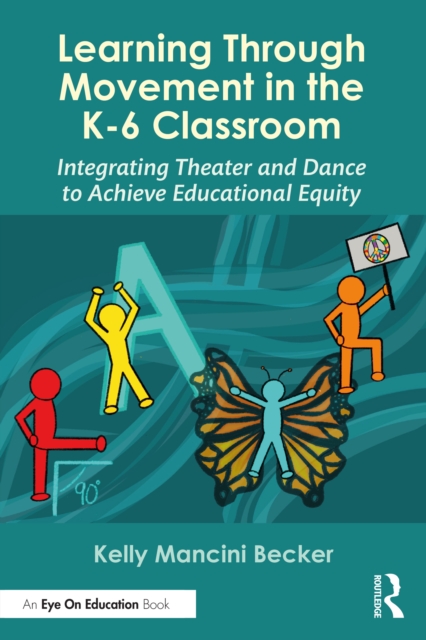
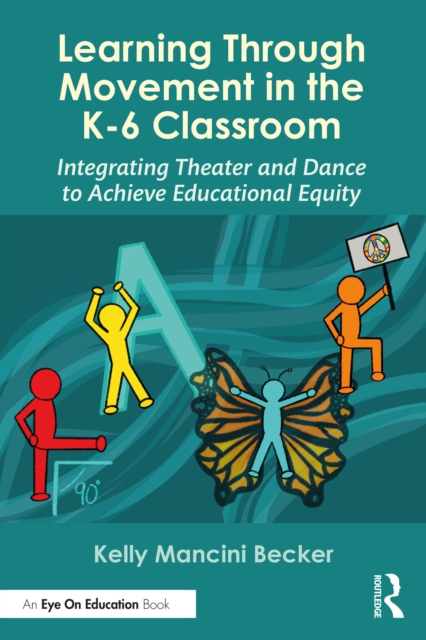
This book offers a creative and practical guide for K-6 teachers on how to effectively integrate movement into the curriculum to increase student engagement, deepen learning, improve retention, and get kids moving during the school day.
This edited volume takes the US-derived concept and praxis of funds of knowledge and applies it globally to critically analyse current education in line with social justice, antiracism, and culturally sustaining pedagogies.
This edited volume takes the US-derived concept and praxis of funds of knowledge and applies it globally to critically analyse current education in line with social justice, antiracism, and culturally sustaining pedagogies.
The second edition of this book offers a unique approach to making mathematics education research on the teaching and learning of multiplication and division concepts readily accessible and understandable to preservice and in-service K-6 mathematics teachers.
This book offers a creative and practical guide for K-6 teachers on how to effectively integrate movement into the curriculum to increase student engagement, deepen learning, improve retention, and get kids moving during the school day.
El jardín de Juanita es un cuento de la serie Juanita y sus amigos del Proyecto Noria Infantil, que forma parte de la línea educativa Filosofía para Niños.
This essential text provides ideas for trainees and teachers to extend both their own teaching and their pupils' learning in primary English through creative approaches and enrichment strategies to promote best practice and outstanding teaching.
Aimed at teachers and leaders looking to create greater impact on teaching and learning through the use of digital technology in schools, From EdTech to PedTech translates research on the effective integration of digital technology in education into relevant, accessible, and practical guidance for teachers and school leaders.
Learn to teach character traits to your studentsThe Organized Teacher's Guide to Building Character, a comprehensive resource that will help you implement character education into your lesson plans.
Instructional Strategies for Middle and High School Social Studies: Methods, Assessment, and Classroom Management is an exciting methods-based text that integrates appropriate management and assessment techniques with seven distinct teaching strategies for pre-service social studies teachers.
Discuss real estate with any young family and the subject of schools is certain to come up-in fact, it will likely be a crucial factor in determining where that family lives.
The book breaks new ground by placing 'outdoor learning' in a theoretical, historical and social context of changing understandings of children, childhood and the use of the outdoors.
Supporting children with English as an additional language (EAL) requires detailed knowledge and understanding of their social, cognitive and linguistic needs.
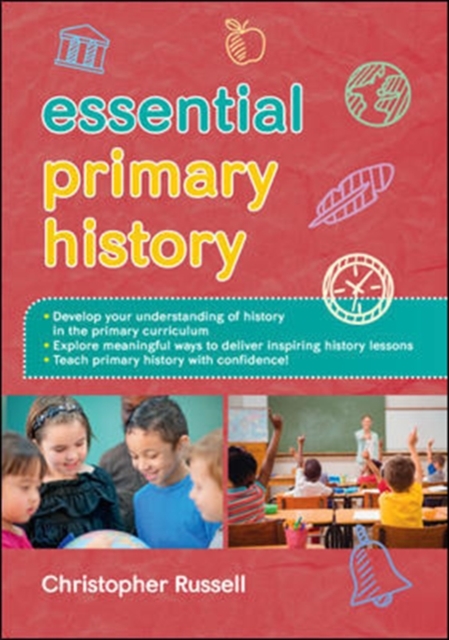
This book is an essential handbook on teaching primary history, combining subject knowledge with practical teaching ideas to ensure your teaching of history is both imaginative and creative.
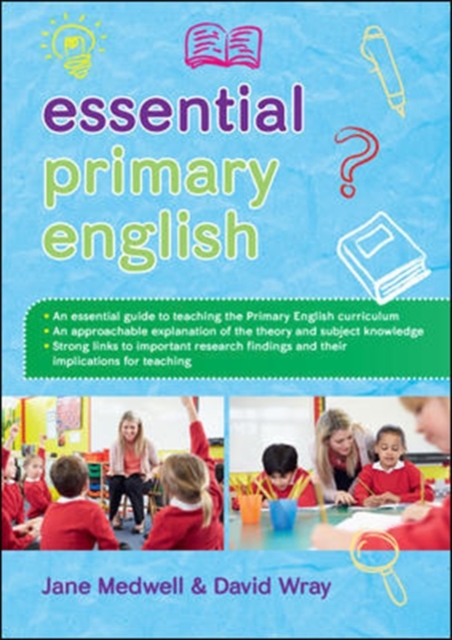
This book is an essential guide to teaching the Primary English curriculum, offering guidance on how to teach the subject, as well as covering the theory and subject knowledge that underpins it.
This book tells the story of how one primary school community worked to build a learning environment that is inclusive, humane and enabling for everybody, a place free from the damaging effects of fixed ability thinking and practices.
CREATIVE ACTIVITIES AND CURRICULUM FOR YOUNG CHILDREN, Twelfth Edition, is written for anyone who wants to deepen their understanding of creative and aesthetic development, the importance of arts experiences in childhood, supporting creativity in children, expanding creative approaches to teaching and integrating creativity across the curriculum.
The Teaching of Instrumental Music, Sixth Edition, introduces music education majors to basic instrumental pedagogy for the instruments and ensembles commonly found in the elementary and secondary curricula.
Now revised and expanded Speaking Frames: How to Teaching Talk for Writing: Ages 10-14 brings together material from Sue Palmer's popular Speaking Frames books with additional material covering the primary/secondary transition.
Making Music in the Primary School is an essential guide for all student and practising primary school teachers, instrumental teachers and community musicians involved in music with children.