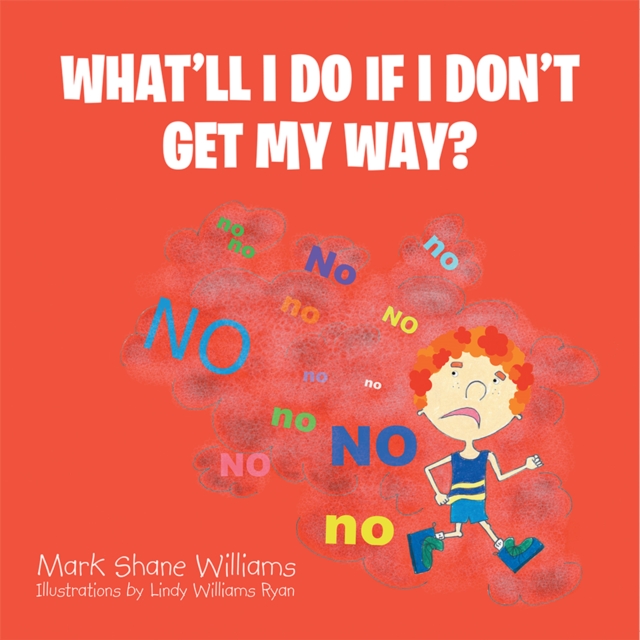
Whatll I do if I dont get my way is written in a rhyming style with creative illustrations that identify feelings that a child might encounter if they do not get everything they want or have everything their way.
Rafa the Refugee is a real-world tale of one young girls journey to the United States, her adoption of a new culture, and her journey to preserve her heritage as she finds her way and settles into the USA.
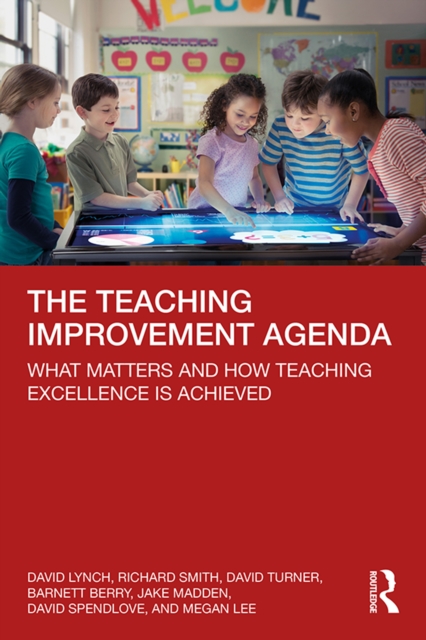
Drawing on ten years of research into whole-of-school teaching improvement, this engaging text explains what teaching improvement requires, how it is achieved, and how to maintain it in your classroom and school.
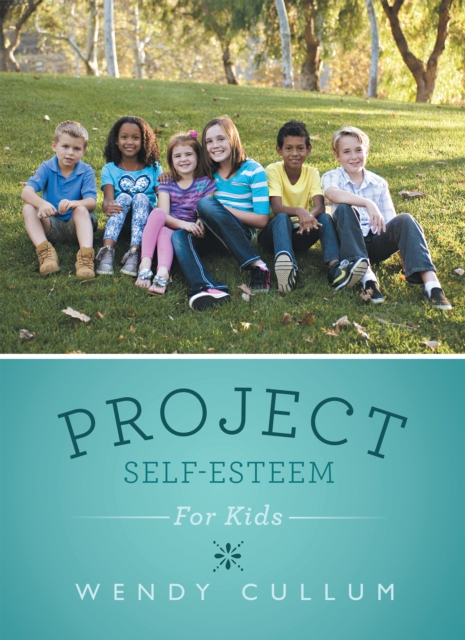
Description of the book: This book which focuses on the childs self-concept (also called self-perspective or self-identity) is a collection of beliefs about oneself that includes elements such as academic performance, gender roles and racial identity.
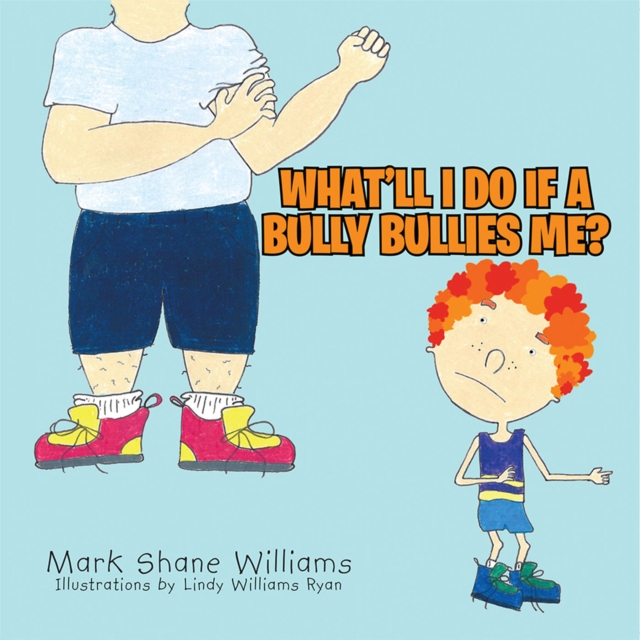
What'll I do if a Bully Bullies me is written in a rhyming style with creative illustrations that identify choices and feelings that a child might encounter if they are ever confronted by a bully.
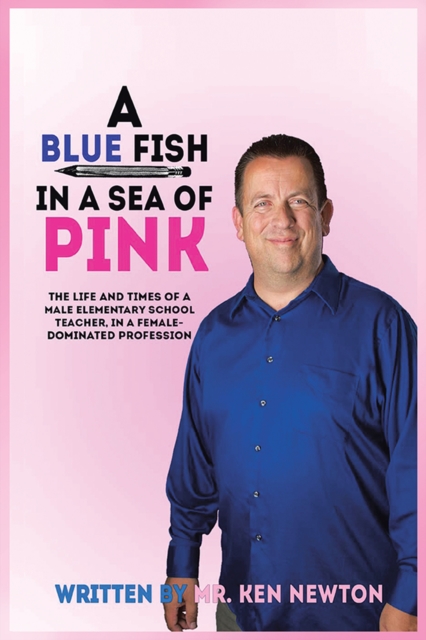
A unique memoir of a male elementary school teacher's career working in a female dominated profession and all the joys, trials, and tribulations along the way.
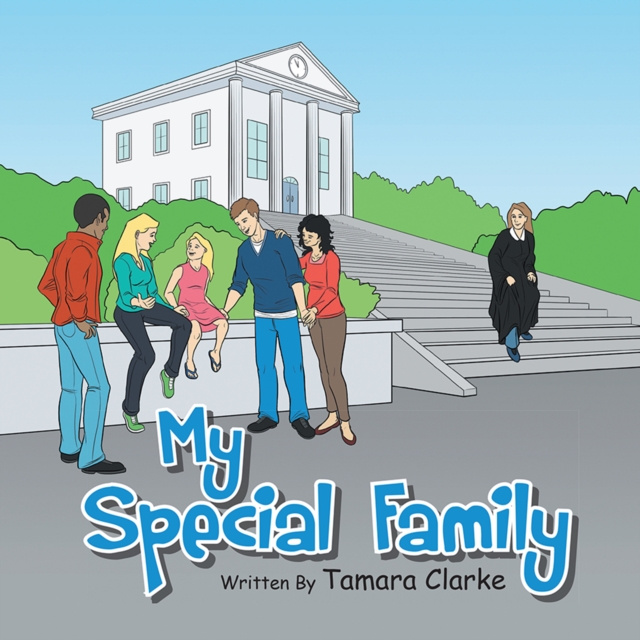
My Special Family is a great book for families and educators to help children understand how the basic structure of the family unit has changed significantly over the years.
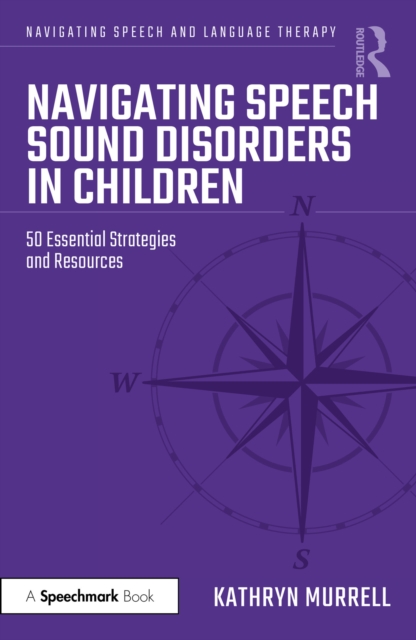
Navigating Speech Sound Disorders in Children is an easy-to-read resource which gives an overview of the whole area of speech sound disorders (SSDs) in children, covering assessment, diagnosis, treatment, and management, underpinned by the latest research in the field.
This is a collection of experiences by an elementary school teacher who loves children and loves teaching them the process of learning and what to look forward to in life.
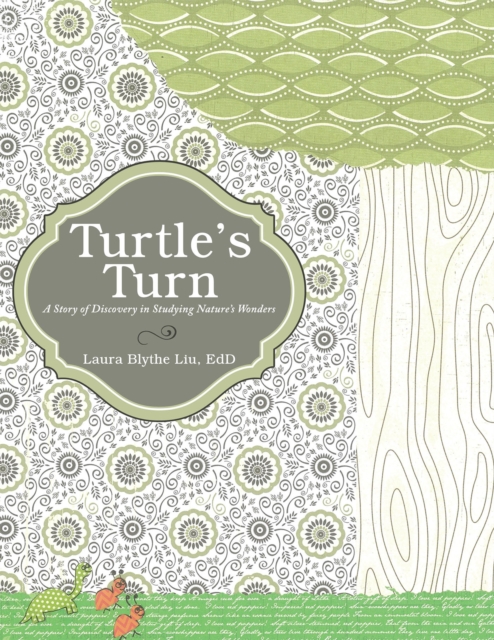
Join Owl, Turtle, and the Ladybugs in a lesson on how the macro mysteries of our solar system may be found in the micro plant cell wonders of photosynthesis.
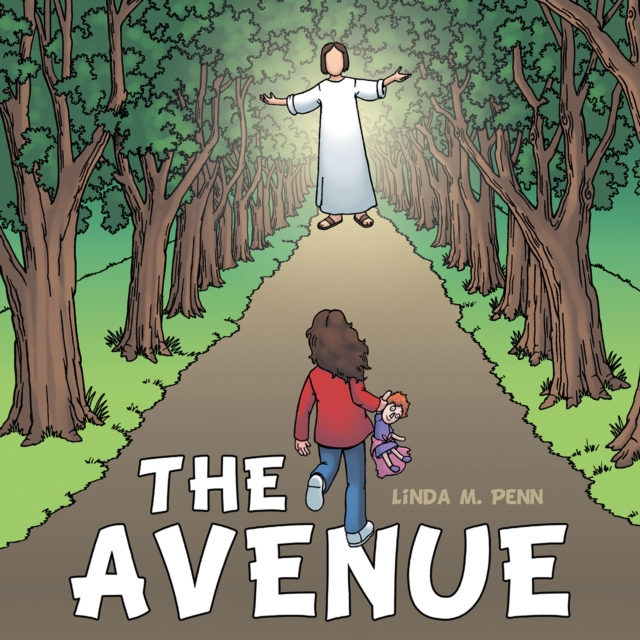
A little farm girl wakes up to a beautiful morning, grabs her favorite doll, and together they walk down The Avenue to the big house where the farm owners live.
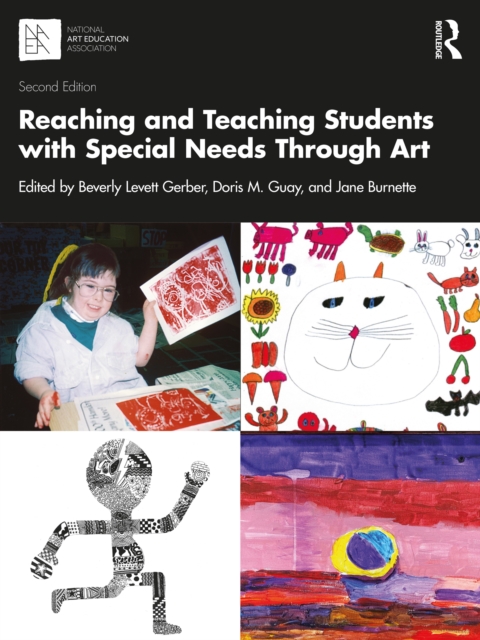
This second edition of Reaching and Teaching Students with Special Needs Through Art is written for art educators, special educators, and those who value the arts for students with special needs.
This important book is the result of a study of school curriculum undertaken by a joint committee of the University of Toronto and the Board of Education for the City of Toronto.
This important book is the result of a study of school curriculum undertaken by a joint committee of the University of Toronto and the Board of Education for the City of Toronto.
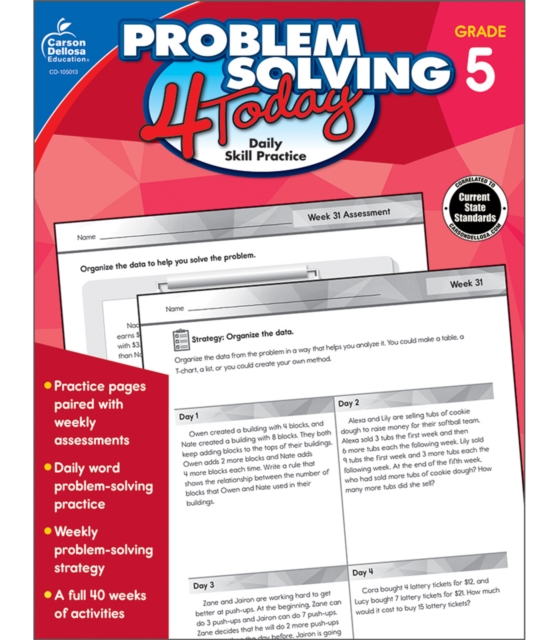
Problem Solving 4 Today: Daily Skill Practice for fifth grade contains reproducible activities designed to help students learn critical math word problem-solving skills with strategies such as drawing and using a tape diagram, working backward, finding a pattern, and more.
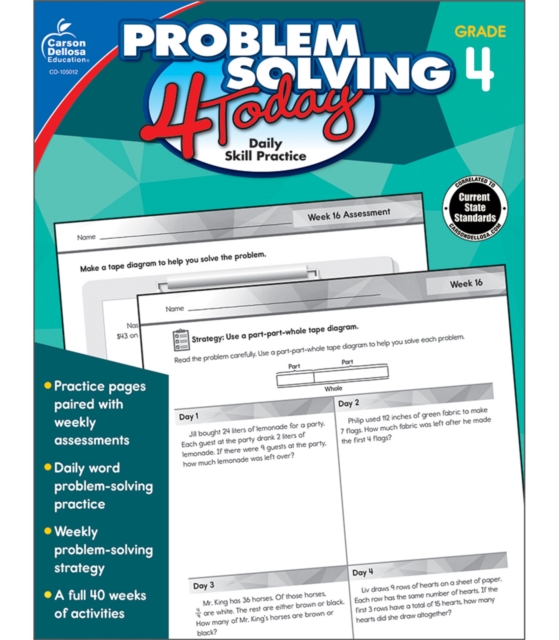
Problem Solving 4 Today: Daily Skill Practice for fourth grade contains reproducible activities designed to help students learn critical math word problem-solving skills with strategies such as interpreting remainders, restating the question, drawing a visual model, and more.
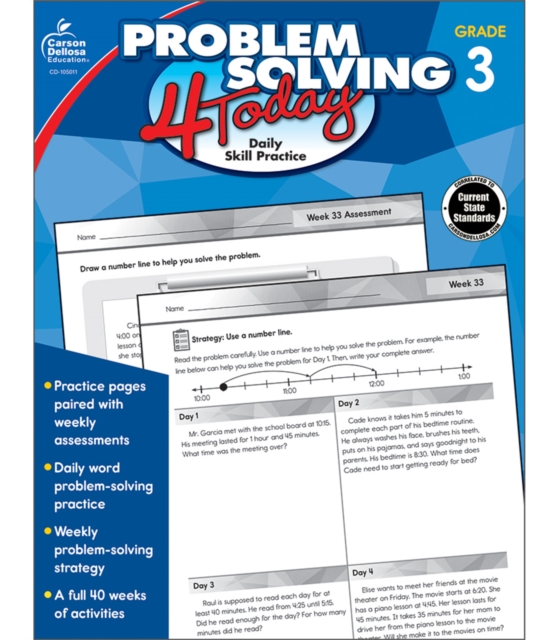
Problem Solving 4 Today: Daily Skill Practice for third grade contains reproducible activities designed to help students learn critical math word problem-solving skills with strategies such as restating the question, writing a number sentence, using a model, and more.
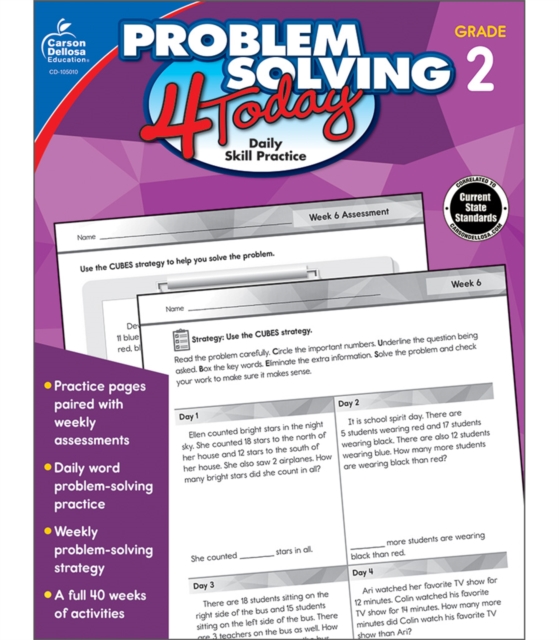
Problem Solving 4 Today: Daily Skill Practice for second grade contains reproducible activities designed to help students learn critical math word problem-solving skills with strategies such as drawing a picture, using a number line, comparing numbers, and more.
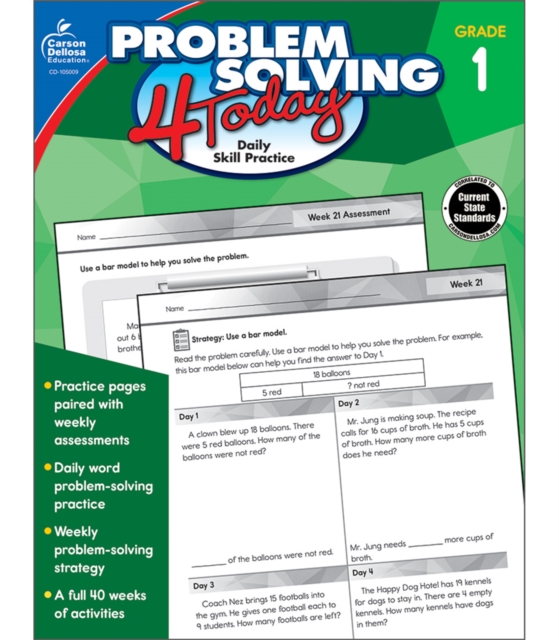
Problem Solving 4 Today: Daily Skill Practice for first grade contains reproducible activities designed to help students learn critical math word problem-solving skills with strategies such as circling the important numbers, acting it out, decomposing numbers, and more.
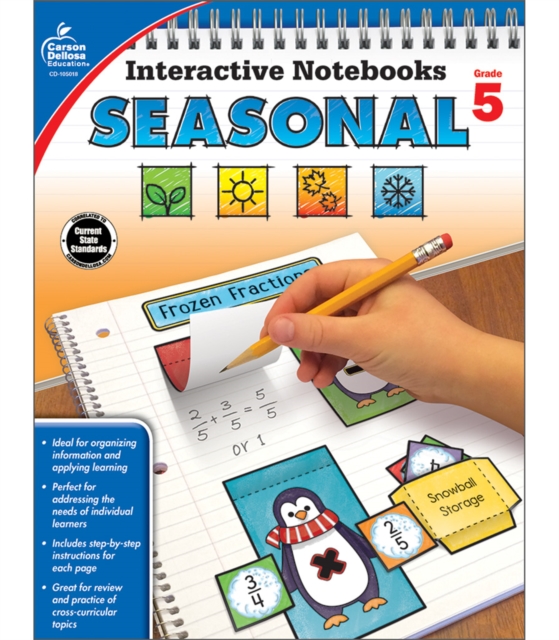
In Interactive Notebooks: Seasonal for fifth grade, students will complete hands-on activities about decimals, finding volume, text structure, correlative conjunctions, US history, energy in plants and animals, and much more.
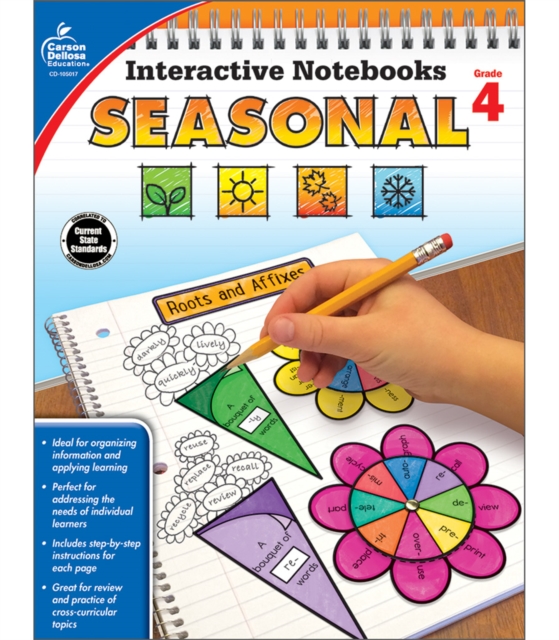
In Interactive Notebooks: Seasonal for fourth grade, students will complete hands-on activities about decomposing fractions, primary and secondary sources, state symbols, measuring angles, and much more.
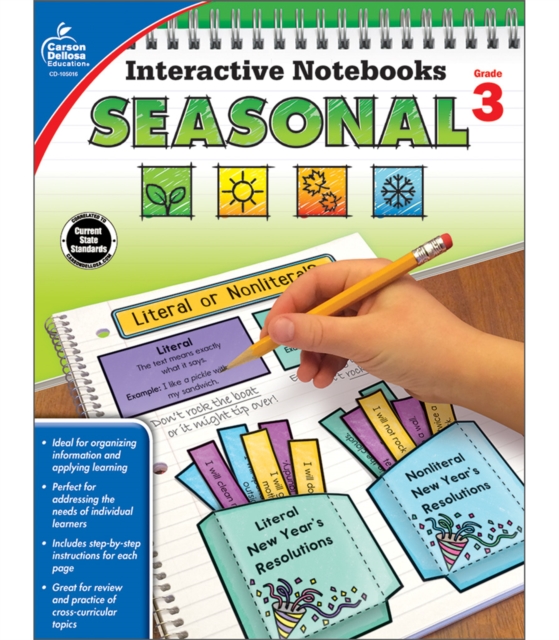
In Interactive Notebooks: Seasonal for third grade, students will complete hands-on activities about multiplication, the branches of government, subject-verb agreement, plant life cycles, and much more.
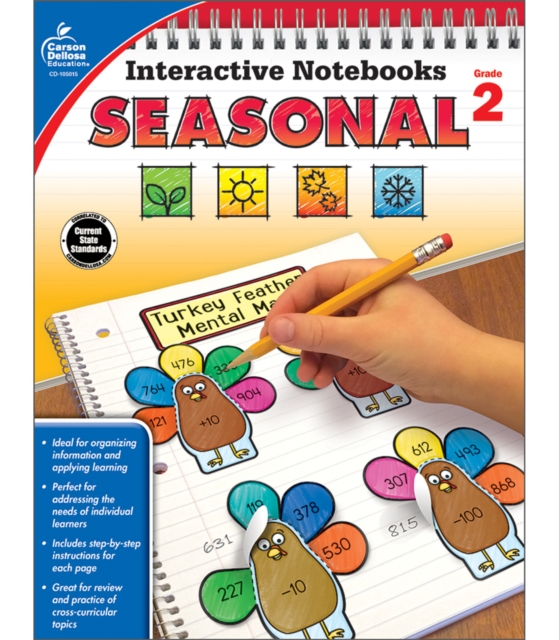
In Interactive Notebooks: Seasonal for second grade, students will complete hands-on activities about presidents, arrays, expanding sentences, prefixes and suffixes, hibernation, fractions, and much more.
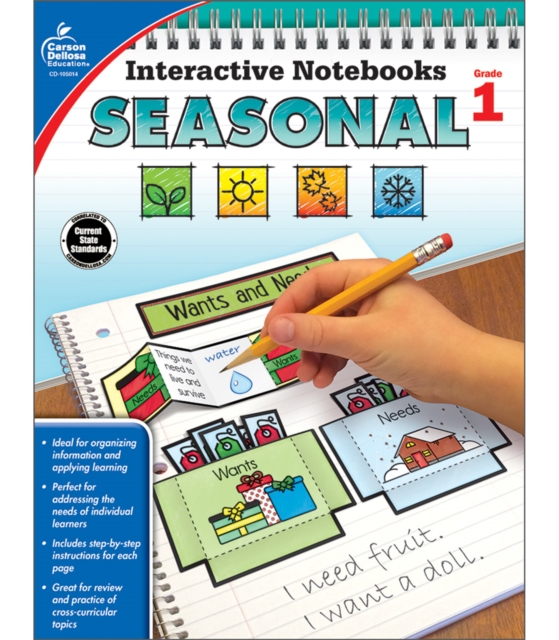
In Interactive Notebooks: Seasonal for first grade, students will complete hands-on activities about presidents, shades of meaning, place value, shape attributes, prefixes and suffixes, life cycles, and much more.
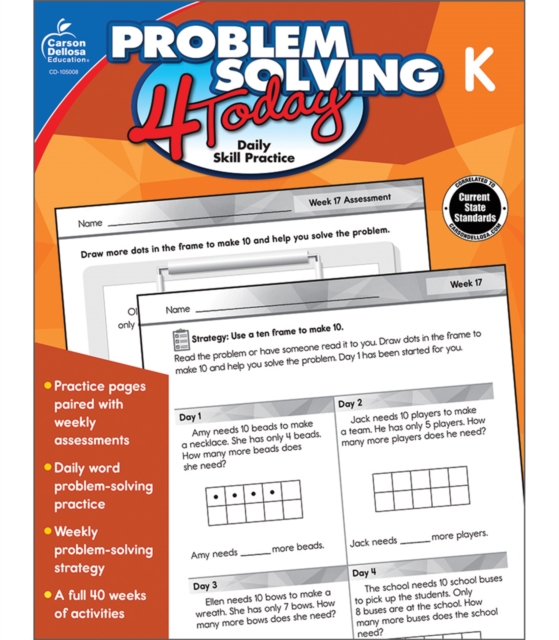
Problem Solving 4 Today: Daily Skill Practice for kindergarten contains reproducible activities designed to help students learn critical math word problem-solving skills with strategies such as drawing a picture, using a number line, using tally marks, and more.
In Interactive Notebooks: Seasonal for kindergarten, students will complete hands-on activities about letter sounds, reading comprehension, punctuation, addition and subtraction practice, word problems, geometry, and much more.
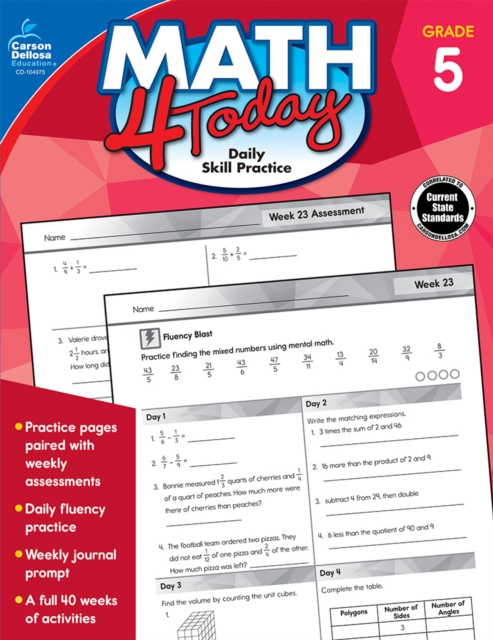
Math 4 Today: Daily Skill Practice for fifth grade contains reproducible activities designed to help students learn these math skills and concepts:-graphing-patterning-multiplying and dividing fractions and decimals-measurementThe Math 4 Today book for fifth grade aligns with current state standards.
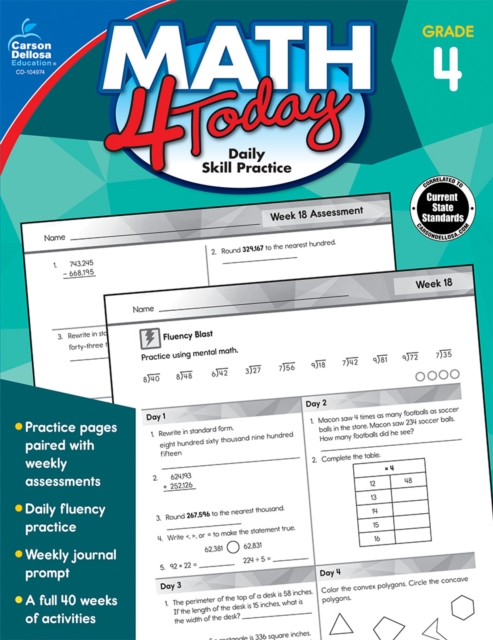
Math 4 Today: Daily Skill Practice for fourth grade contains reproducible activities designed to help students learn these math skills and concepts:-operations-word problems-measurement-fractions-line plotsThe Math 4 Today book for fourth grade aligns with current state standards.
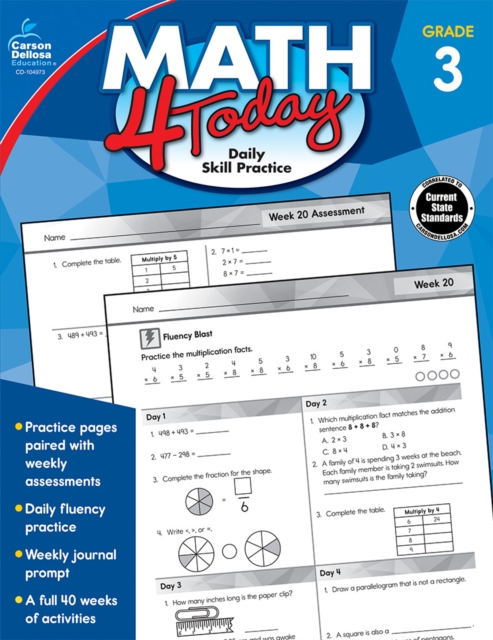
Math 4 Today: Daily Skill Practice for third grade contains reproducible activities designed to help students learn these math skills and concepts:-number sense-fractions-multiplication-division-time and moneyThe Math 4 Today book for third grade aligns with current state standards.