To develop strong disciplinary literacy skills, middle and high school students need to engage with diverse types of challenging texts in every content area.
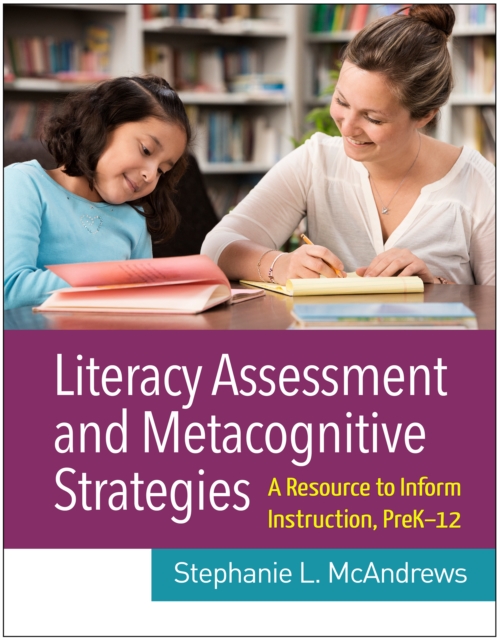
Packed with useful tools, this practitioner guide and course text helps educators assess and teach essential literacy skills and strategies at all grade levels (PreK12).
Tens of thousands of K3 teachers have relied on this book--now revised and expanded with more than 50% new material--to plan and deliver effective literacy instruction tailored to each students needs.
Well established as a clear, comprehensive course text in five prior editions, this book has now been extensively revised, with a focus on disciplinary literacy.
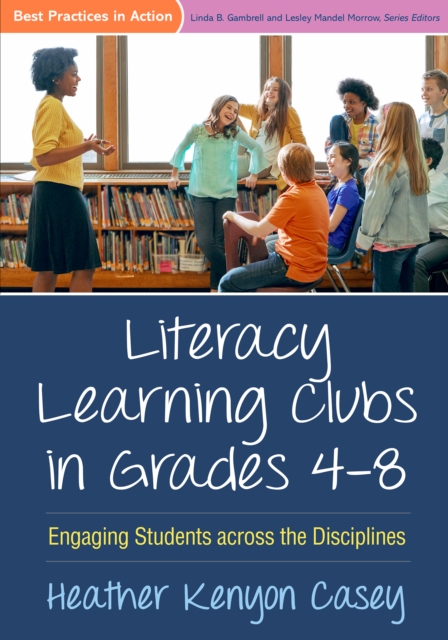
Literacy learning clubs are highly motivating small-group collaborations that can improve tweens and teens academic achievement, support their social-emotional development, and increase their enjoyment of reading and writing.
Literacy learning clubs are highly motivating small-group collaborations that can improve tweens and teens academic achievement, support their social-emotional development, and increase their enjoyment of reading and writing.
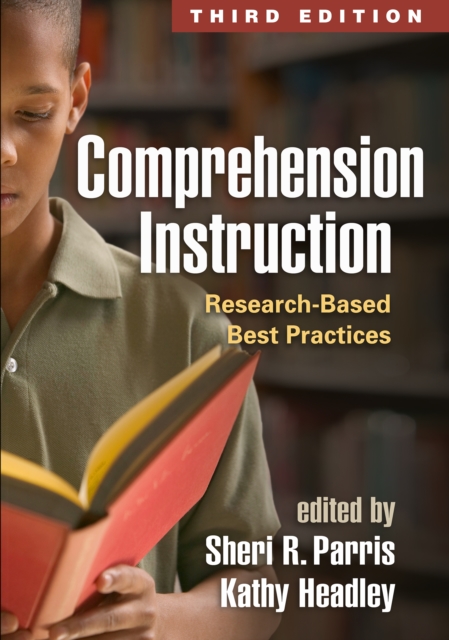
This esteemed reference work and professional resource, now substantially revised, integrates classic and cutting-edge research on how children and adolescents make meaning from text.
As the number of students learning English in elementary schools across the country continues to grow, so does the body of research on their literacy development.
As the number of students learning English in elementary schools across the country continues to grow, so does the body of research on their literacy development.
In our knowledge-based society, K8 students need to develop increasingly sophisticated skills to read, write, and speak for a wide variety of purposes and audiences.
In our knowledge-based society, K8 students need to develop increasingly sophisticated skills to read, write, and speak for a wide variety of purposes and audiences.
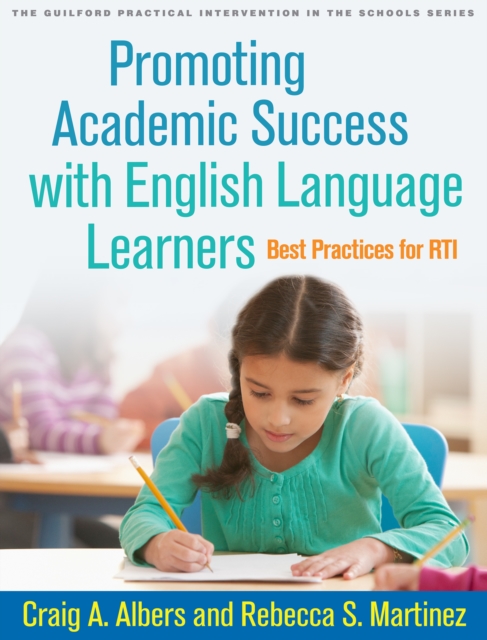
Educators and school psychologists throughout the country are working with growing numbers of English language learners (ELLs), but often feel unprepared to help these students excel.
Grasping the meaning of a text enables K-8 students to appreciate its language and structure through close reading, which in turn leads to deeper comprehension.
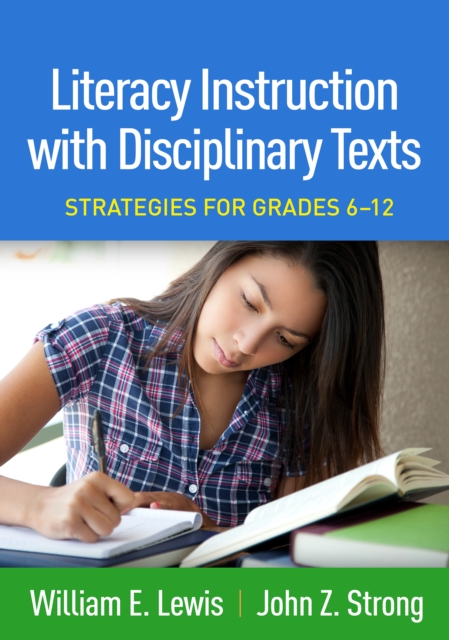
In order to succeed in school and beyond, students in grades 6-12 need to understand and use both academic language and discipline-specific vocabulary.
In order to succeed in school and beyond, students in grades 6-12 need to understand and use both academic language and discipline-specific vocabulary.
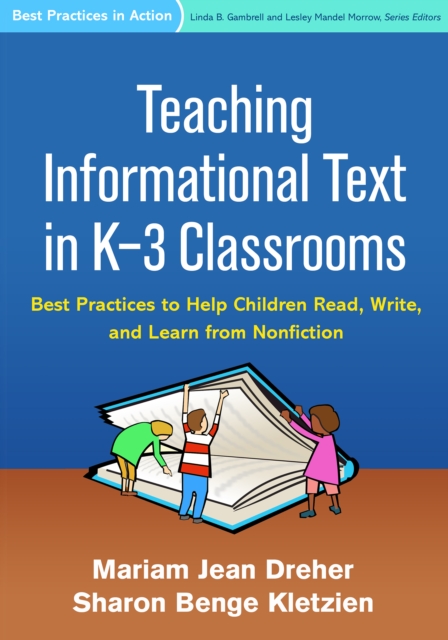
Specifically designed for K-3 teachers, this accessible guide describes ways to use informational text creatively and effectively in both reading and writing instruction.
Specifically designed for K-3 teachers, this accessible guide describes ways to use informational text creatively and effectively in both reading and writing instruction.
Educators and school psychologists throughout the country are working with growing numbers of English language learners (ELLs), but often feel unprepared to help these students excel.
Grasping the meaning of a text enables K-8 students to appreciate its language and structure through close reading, which in turn leads to deeper comprehension.
This highly practical guide offers a systematic approach to instruction in the three main writing genres--narrative, persuasive, and informative--that students in grades 35 are expected to master.
Viewing fluency as a bridge between foundational skills and open-ended learning, this book guides teachers through effective instruction and assessment of fluent reading skills in the primary grades.
Viewing fluency as a bridge between foundational skills and open-ended learning, this book guides teachers through effective instruction and assessment of fluent reading skills in the primary grades.
To acquire content knowledge through reading, students must understand the complex components and diverse purposes of informational texts, as emphasized in the Common Core State Standards (CCSS).
To acquire content knowledge through reading, students must understand the complex components and diverse purposes of informational texts, as emphasized in the Common Core State Standards (CCSS).
This book presents the most effective instructional strategies for promoting vocabulary growth in the early grades, when the interdependence of word learning and oral language development is especially strong.
This user-friendly guide has been thoroughly revised to reflect significant changes in the way schools deliver reading instruction and intervention, especially for students at risk for reading failure.
Accessible and teacher friendly, this book provides a blueprint for planning, delivering, and evaluating small-group interventions for struggling readers in PreK-2.
A complete road map for word knowledge instruction in PreK-2, this book focuses on developing the word recognition and phonics skills identified in the Common Core standards for foundational skills.
This book provides essential coaching tools to support teachers in planning and implementing instruction aligned with the Common Core State Standards (CCSS).
Current research increasingly highlights the role of early literacy in young children's development--and informs practices and policies that promote success among diverse learners.
Communicating ideas and information is what makes writing meaningfulyet many upper elementary and middle school students write in a vacuum, without considering the aims of their writing or the needs of their readers.
Written expressly for teachers, this book is jam-packed with tools and strategies for integrating response to intervention (RTI) into everyday instruction in grades K-5.
This indispensable book presents evidence-based tools and strategies for improving the social skills of all members of the inclusive classroom (K-6), especially students experiencing difficulties in this area.
This indispensable book presents evidence-based tools and strategies for improving the social skills of all members of the inclusive classroom (K-6), especially students experiencing difficulties in this area.
Bringing together prominent scholars, this book shows how 21st-century research and theory can inform everyday instructional practices in early childhood classrooms (PreK-3).