This book is the perfect starting point for anyone looking to promote and encourage mental health in their school, or evaluate their existing provision, in line with current government priorities.
SEND Leadership completes the 'Essential SENCO Toolkit' trilogy and provides SENCOs and SEN practitioners with the guidance and tools needed to aid their leadership and quality assurance (QA) roles.
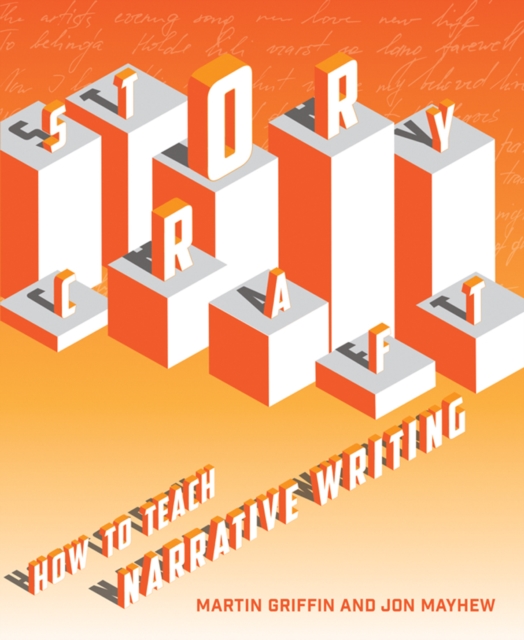
Martin Griffin and Jon Mayhew's Storycraft: How to teach narrative writing is an inspiring and practical resource to support secondary school teachers in developing their students' creative writing.
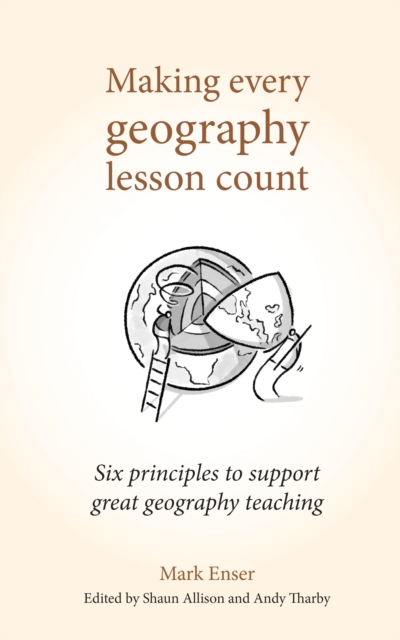
Mark Enser's 'Making Every Geography Lesson Count: Six principles to support great geography teaching' maps out the key elements of effective geography teaching and shows teachers how to develop their students' conceptual and contextual understanding of the subject over time.
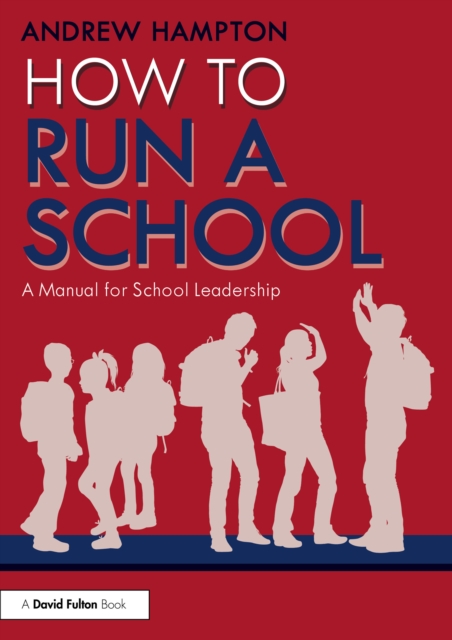
Headteachers need to have a view on every possible aspect of running a school and be able to justify and articulate a set of values that tie into their vision.
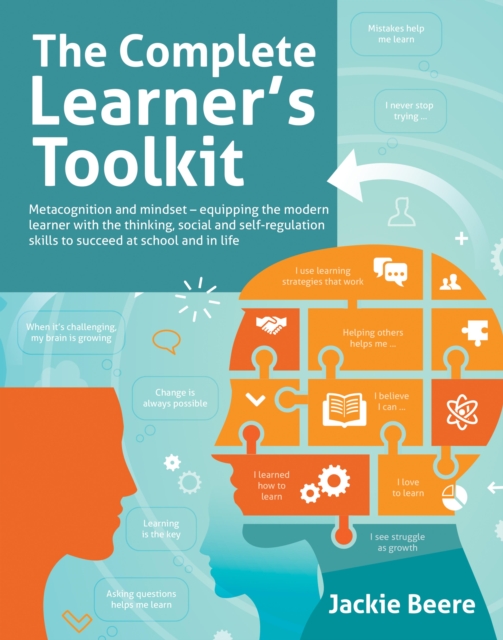
Written by Jackie Beere, The Complete Learner's Toolkit: Metacognition and mindset - equipping the modern learner with the thinking, social and self-regulation skills to succeed at school and in life will empower teachers to transform their pupils' learning.
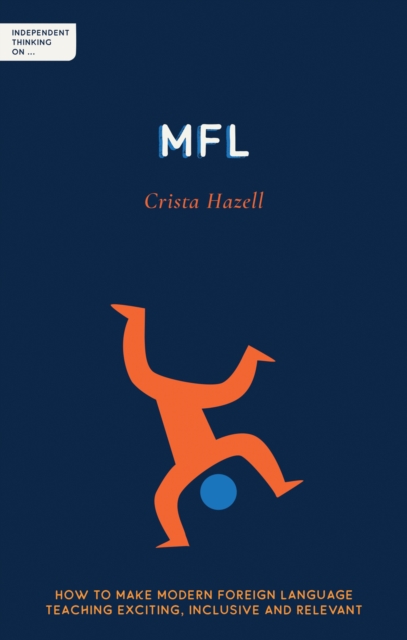
Crista Hazell's Independent Thinking on MFL: How to make modern foreign language teaching exciting, inclusive and relevant takes teachers on a tour of how to get the teaching of a new language right.
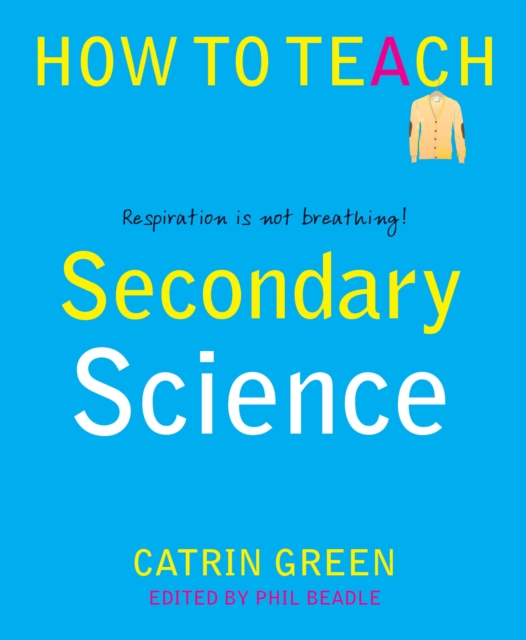
Part of Phil Beadle's How to Teach SeriesSo, you have passion for your subject and you get to work with some of the funniest, most surprising and exceptional students.
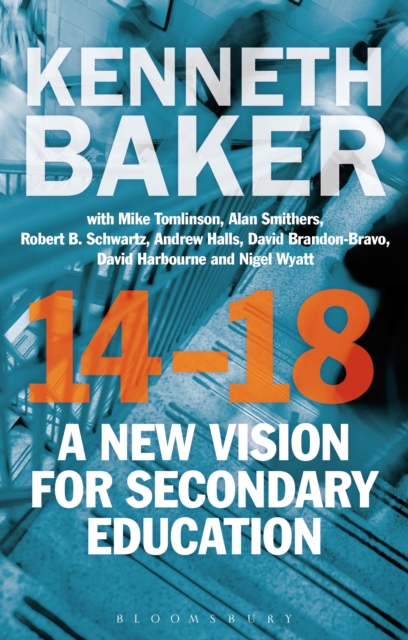
Former Secretary of State for Education Kenneth Baker claims that secondary education has become a five-year programme with a single, narrow aim: to prepare pupils for high-stakes GCSE exams at 16.
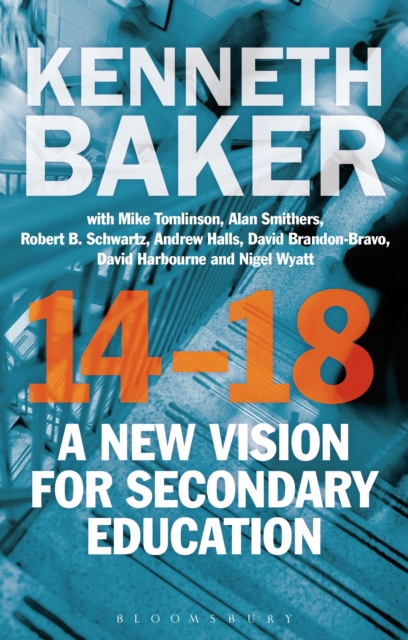
Former Secretary of State for Education Kenneth Baker claims that secondary education has become a five-year programme with a single, narrow aim: to prepare pupils for high-stakes GCSE exams at 16.
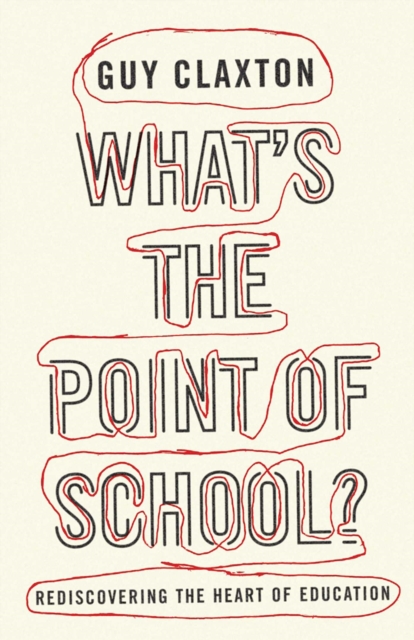
Why the education system is failing our kids and how we can start the revolution that will save our schoolsWith their emphasis on regurgitated knowledge and stressful exams, today's schools actually do more harm than good.
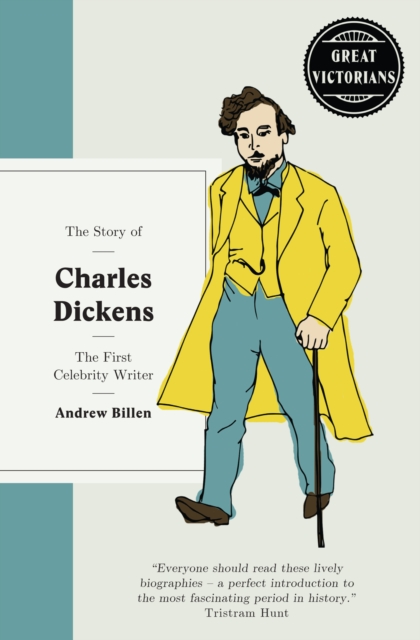
Young Charles Dickens s happy childhood came to a sudden end when his father was jailed for debt and, aged 12, he was sent to work in a factory to make shoe polish.
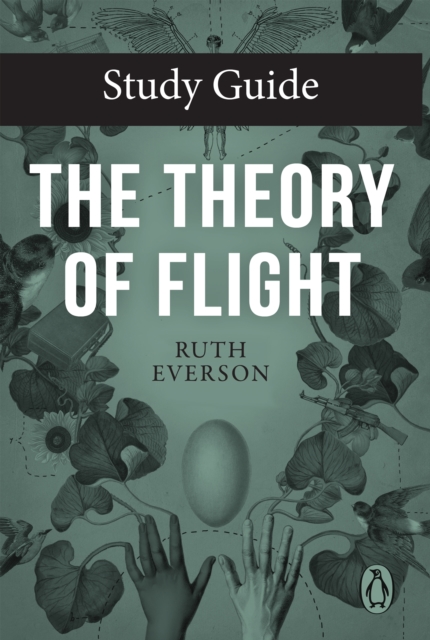
An indispensable guide for learners and teachers alike, The Theory of Flight Study Guide will enhance the experience of exploring Siphiwe Ndlovus richly layered novel, a setwork for Grade 11 and 12 learners.
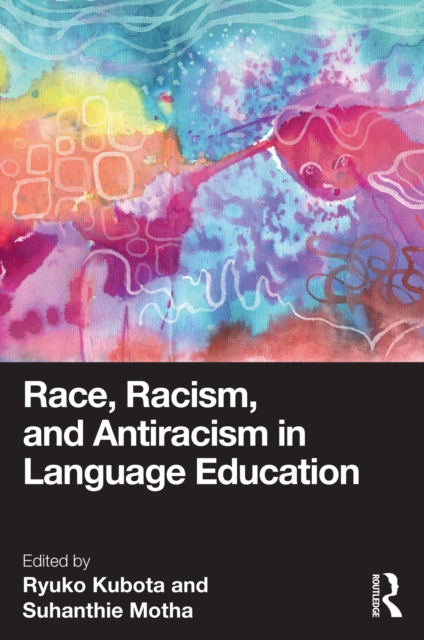
Building on the pioneering 2009 volume, Race, Culture, and Identities in Second Language Education, this book reflects the significant expansion in the research since its publication and offers a wider breadth of perspectives on the complex theoretical terrain of race, racism, and antiracism in language education.
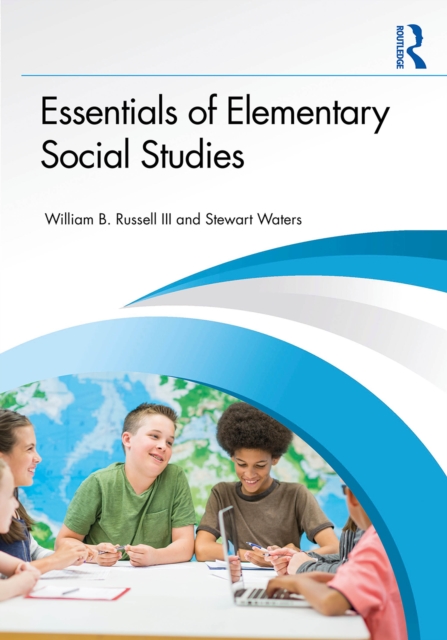
Essentials of Elementary Social Studies is a teacher-friendly text that provides comprehensive treatment of classroom planning, instruction, and strategies.
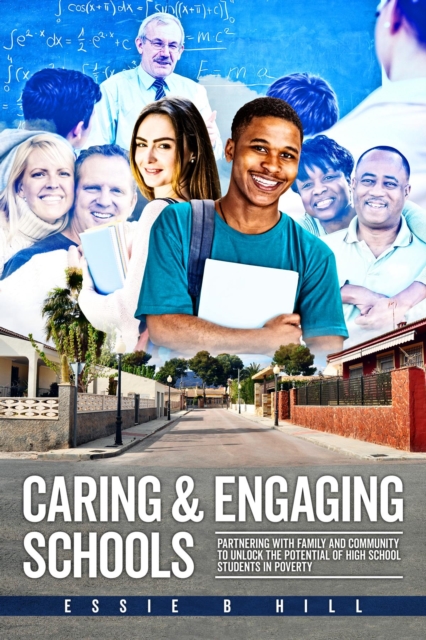
Caring & Engaging Schools: Partnering with Family and Community to Unlock the Potential of High School Students in Poverty reviews the consequences of our failure to effectively address the needs of low-income students, given the poverty-related struggles that impede academic learning, personal growth, and ultimately positive life outcomes.
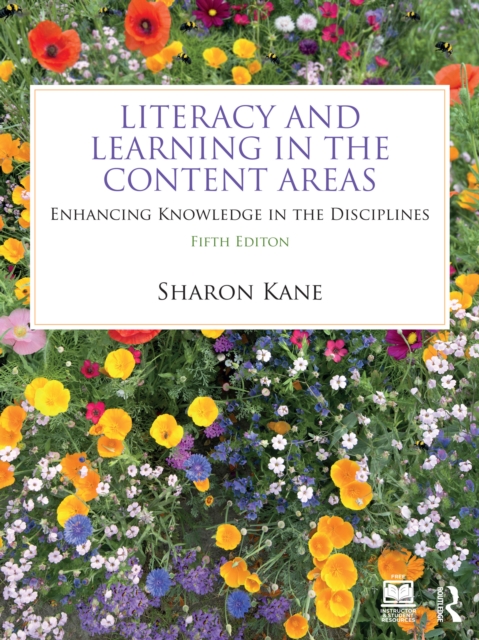
The fifth edition of Literacy and Learning in the Content Areas: Enhancing Knowledge in the Disciplines provides readers with the knowledge, motivation, tools, and confidence for integrating literacy in their disciplinary classrooms.
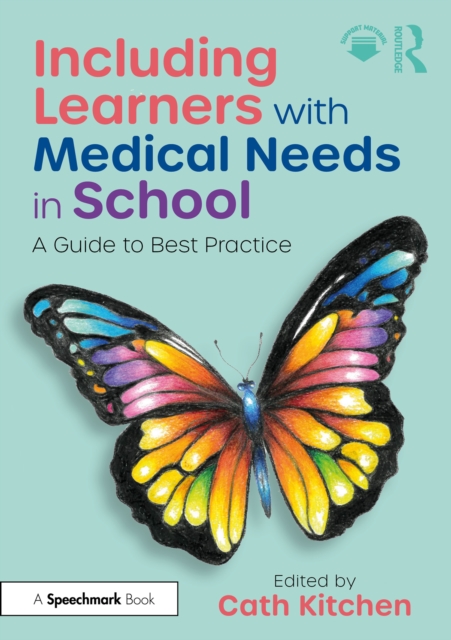
This accessible book is packed with information and strategies that will build your confidence in ensuring that children and young people with medical needs have equal access to education and can thrive academically, socially, and emotionally.
In Through a Different Lens, Ger Graus, a global authority on education, especially in the areas of experience-based learning and human potential, gives us a unique and invaluable perspective on education, children, and schooling.
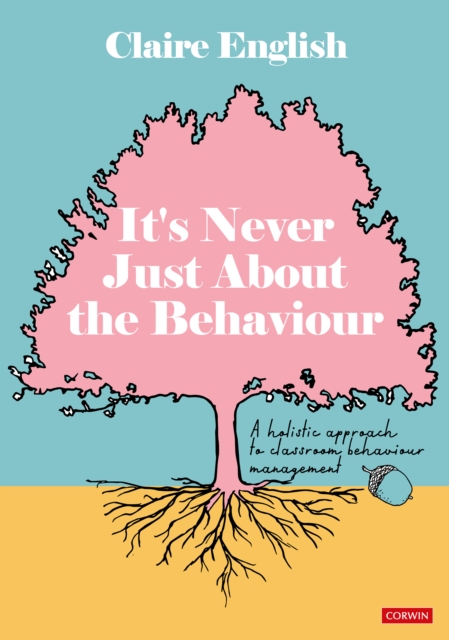
What do teachers really need to know (and do) to confidently mitigate, address, and resolve the sheer volume and complexity of challenging classroom behaviours they face?
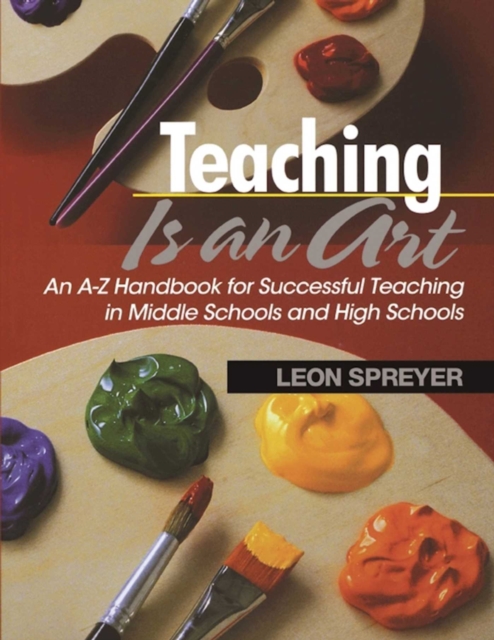
Drawing upon close to thirty years of teaching experience, Leon Spreyer provides teachers with practical information that is not always taught in teacher education courses.
Author Theron Hopkins travels from sweltering summer practices to heated crosstown rivalry matchups to one of the biggest games in the country, the Texas 5A state title game, held in San Antonios Alamodome, witnessing thrilling wins and devastating losses along the way.
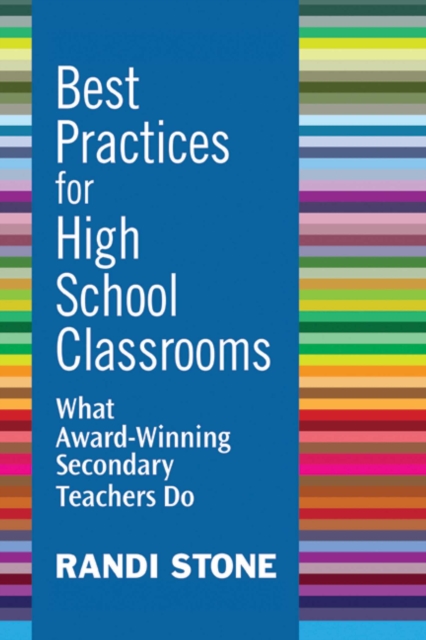
Randi Stone provides an inspirational, one-stop guide to the highest-impact teaching practices of the nations best and brightest high school educators.
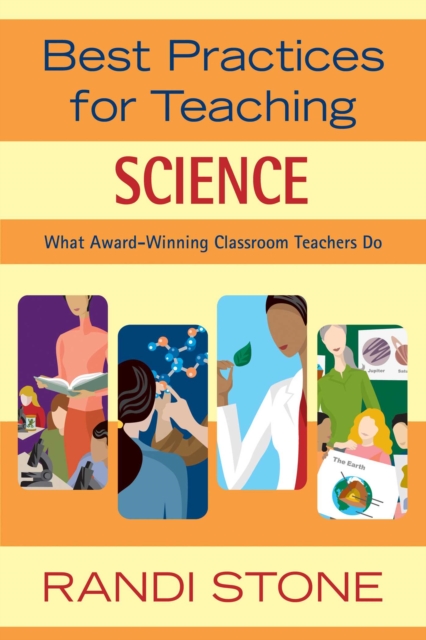
Let Randi Stone and her award-winning teachers demonstrate tried-and-tested best practices for teaching science in diverse elementary, middle, and high school classrooms.
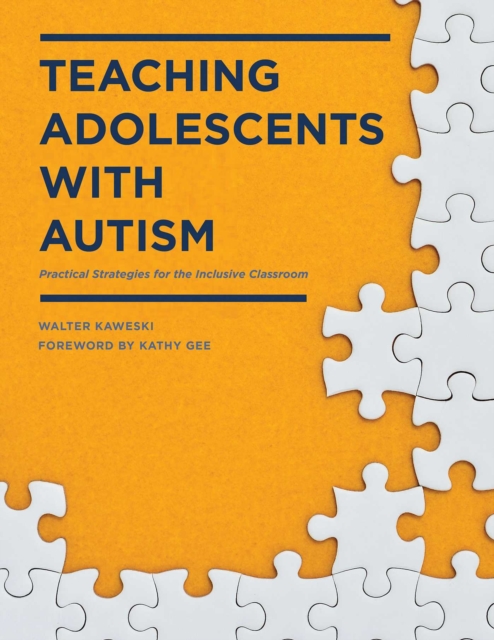
Award-winning educator Walter Kaweski offers secondary teachers practical strategies and heartfelt insights based on his extensive experience as an autism specialist, inclusion coordinator, and father of a son with Asperger syndrome.
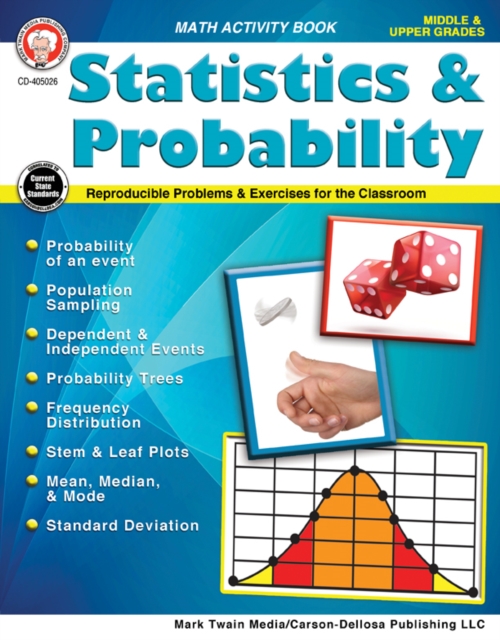
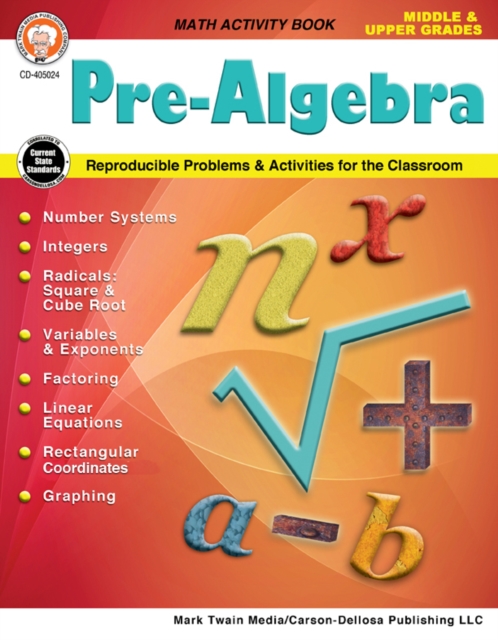
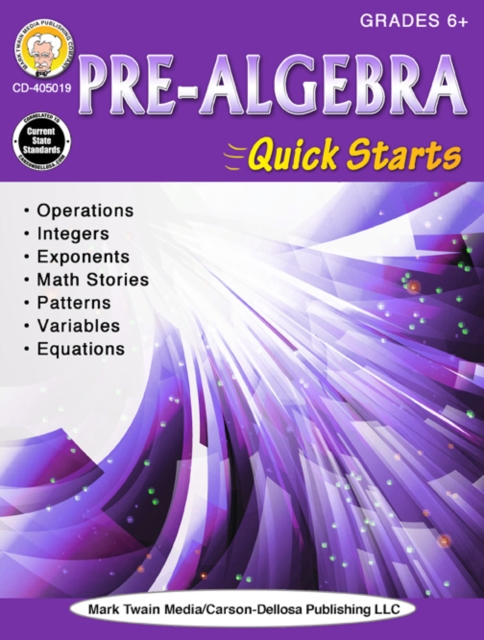
Mark Twain's Pre-Algebra resource book for fifth to twelfth grades focuses on these concepts:-number systems-variables-exponents-radicals-equations-statistics-probability-the rectangular coordinate systemThis Mark Twain math resource breaks down pre-algebra into concepts that can be mastered so students have a solid foundation for higher-level math classes.
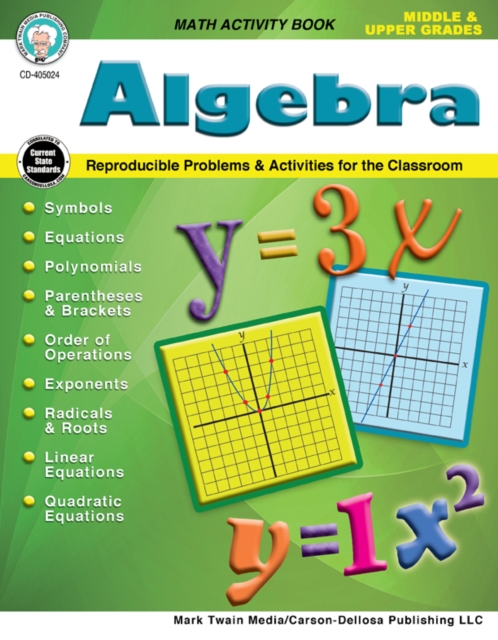
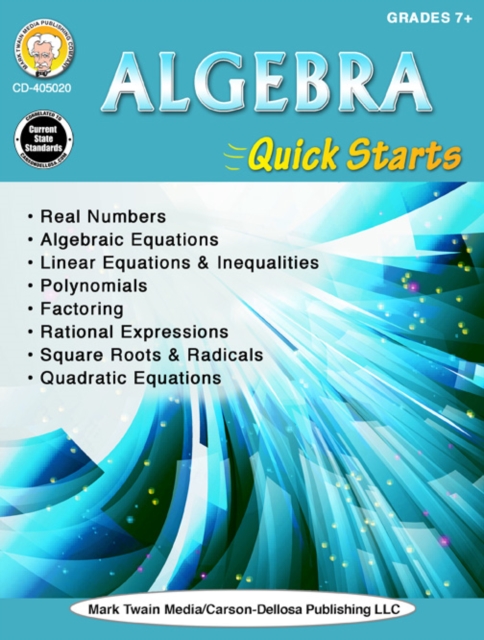
The Algebra resource book for fifth to twelfth grades provides practice in these essential algebra skills:-variables-polynomials-radicals and roots-linear equations-quadratic equationsThis Mark Twain math resource offers clear explanations, practice exercises, and unit review quizzes.
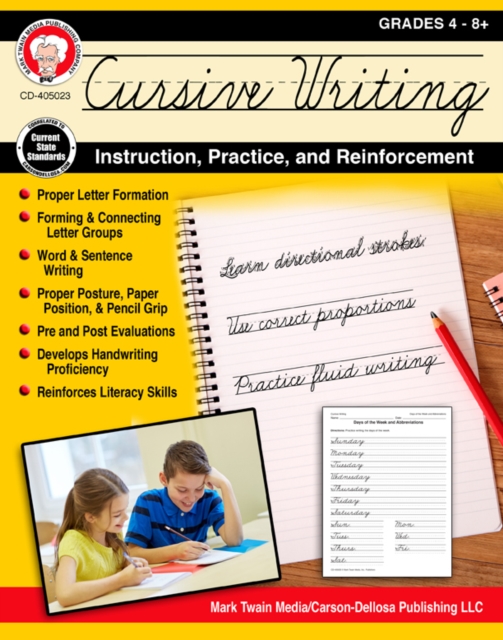
Ideal for students who are new to cursive writing and those who need a refresher, Cursive Writing: Instruction, Practice, and Reinforcement for fourth to ninth grades provides step-by-step instruction and practice in cursive handwriting.
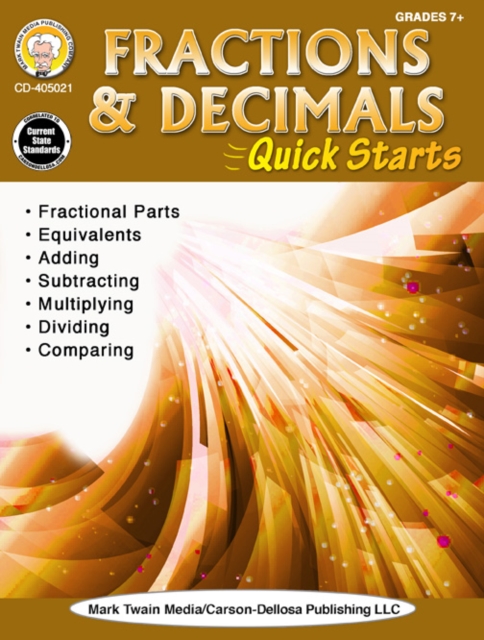
The Fractions and Decimals Quick Starts resource book for fourth to ninth grades reinforces skills students have learned dealing with fractions and decimals.
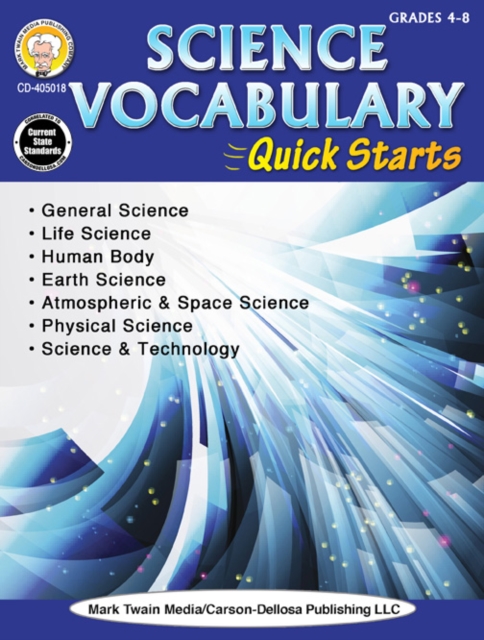
The Science Vocabulary Quick Starts resource book for fourth to ninth grades helps students review vocabulary to become skilled in using science terms in and out of the classroom.
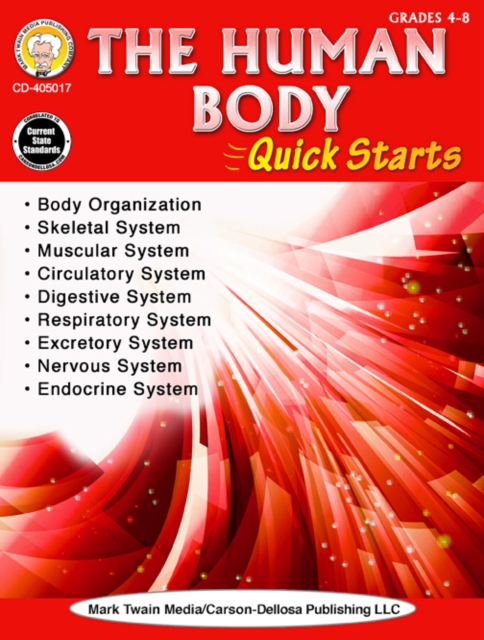
The Human Body Quick Starts resource book for fourth to ninth grades prepares students for the day's lesson by providing quick starts that focus on vocabulary, identification, and understanding of the human body.
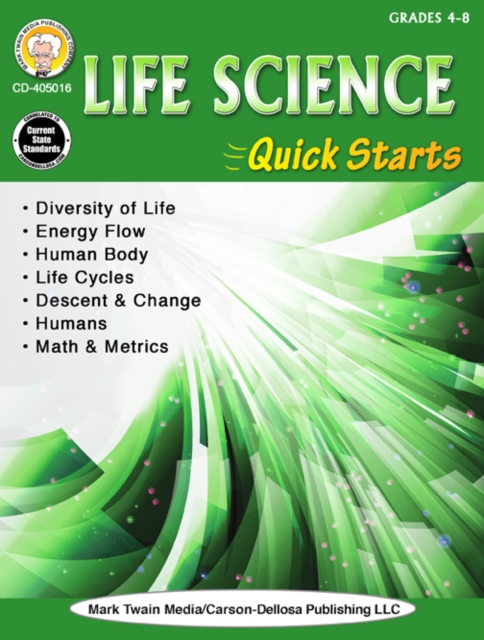
Life Science Quick Starts for fourth to ninth grades provides quick start activities that exercise skills in observation, reading, critical thinking, research, manipulation, and math, with questions that can be answered through experimentation.