Decades of research highlight the protective tole of strong, positive, and secure relationships for children and young people at risk, both in the community and in out-of-home care.
This fully updated third edition of Learning Through Child Observation is a handbook for professionals working in, or students preparing to work in, children's services.
Drawing on her extensive practical experience, Liz Williams provides a highly accessible and much-needed guide to promoting positive behaviour in early years settings.
In the first section, broad issues associated with assessment for, of, and in learning in inclusive classrooms; measuring the implementation of inclusive policy; identifying and removing barriers to inclusion; resourcing and financing; and, evaluating effective teacher preparation for inclusion provide the structure for discussion.
This Volume focuses on inclusive education for the less than 1 % of school-age population who have been diagnosed with Low-Incidence Disabilities and continue to be marginalized in many ways.
This fully updated version of the CILIP-endorsed guidelines for secondary school libraries addresses the changing schools' landscape and impact of technological changes of recent years.
Walking on the Grass, Dancing in the Corridors: Newnham at 150 contains a smorgasbord from the whole Newnham community: fellows, alumnae, students, staff, and visitors alike.
Headteachers need to have a view on every possible aspect of running a school and be able to justify and articulate a set of values that tie into their vision.
A critical challenge for urban charter/autonomous/independent schools is finding educational leaders with the courage to lead with authenticity; integrity and ingenuity using standards based practices to effect transformational change within schools.
In Messy Maths: A Playful, Outdoor Approach for Early Years, Juliet Robertson offers a rich resource of ideas that will inspire you to tap into the endless supply of patterns, textures, colours and quantities of the outdoors and deepen children's understanding of maths through hands-on experience.
Written by Jackie Beere, The Complete Learner's Toolkit: Metacognition and mindset - equipping the modern learner with the thinking, social and self-regulation skills to succeed at school and in life will empower teachers to transform their pupils' learning.
Crista Hazell's Independent Thinking on MFL: How to make modern foreign language teaching exciting, inclusive and relevant takes teachers on a tour of how to get the teaching of a new language right.
Written by Jonathan Lear, The Monkey-Proof Box: Curriculum design for building knowledge, developing creative thinking and promoting independence is a manifesto on how to dismantle the curriculum we're told to deliver and construct in its place the curriculum we need to deliver.
Part of Phil Beadle's How to Teach SeriesSo, you have passion for your subject and you get to work with some of the funniest, most surprising and exceptional students.
In Messy Maths: A Playful, Outdoor Approach for Early Years, Juliet Robertson offers a rich resource of ideas that will inspire you to tap into the endless supply of patterns, textures, colours and quantities of the outdoors and deepen children's understanding of maths through hands-on experience.
This seminal handbook provides a comprehensive overview of the research on world language education and how that research can transform into effective and daily instructional practices for K-16 language teachers.
This key text recognises the importance of upskilling students and practitioners to understand children's holistic needs and to develop new ways of working therapeutically that support their wellbeing and resilience.
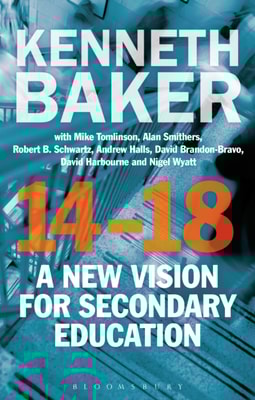
Former Secretary of State for Education Kenneth Baker claims that secondary education has become a five-year programme with a single, narrow aim: to prepare pupils for high-stakes GCSE exams at 16.
Having a good grasp of the theories of child development and how these translate into practice can make a positive difference to how you understand babies and children and the ways in which you can help them learn.
Former Secretary of State for Education Kenneth Baker claims that secondary education has become a five-year programme with a single, narrow aim: to prepare pupils for high-stakes GCSE exams at 16.
Having a good grasp of the theories of child development and how these translate into practice can make a positive difference to how you understand babies and children and the ways in which you can help them learn.
Why the education system is failing our kids and how we can start the revolution that will save our schoolsWith their emphasis on regurgitated knowledge and stressful exams, today's schools actually do more harm than good.