Developed by the staff of Between the Lions, the playful learning approach and unique educational content in Wild About Group Time teaches children key literacy skills.
Professional development is important, but early childhood professionals get just as bored, worn out, and disengaged from learning as their younger counterparts do.
The Complete Resource Book for Infantsis a collection of experiences and activities that maximize learning and development for children from birth to eighteen months.
The authors of the acclaimed book From Biting to Hugging: Understanding Social Development in Infants and Toddlers bring educators another go-to infant and toddler resource in Crying and Laughing: The Emotional Development of Infants and Toddlers.
Confidence, emotional intelligence and resilience are vital to children's mental wellbeing, and this book gives early years practitioners all the tools they need to promote these skills in young children.
Many early years students and practitioners can struggle with how to observe children, knowing what makes good observations, as well as how to use them and why they matter so much.
This highly accessible and much-needed resource sets out practical advice on positive behaviour management in primary schools, exploring how to support children effectively with their personal, social and emotional development.
Moving beyond the basics of thesis writing, the book introduces practical writing techniques such as freewriting, generative writing and binge writing.
Talk for Writing, developed by Pie Corbett and supported by Julia Strong, is a proven approach to teaching writing that is engaging and motivating for students and teachers alike.
Barak Rosenshine's Principles of Instruction are widely recognised for their clarity and simplicity and their potential to support teachers seeking to engage with cognitive science and the wider world of education research.
Issues in Teaching Numeracy in Primary Schools is a bestselling guide for all trainee and practising primary school teachers, classroom assistants and mathematics specialist teachers.
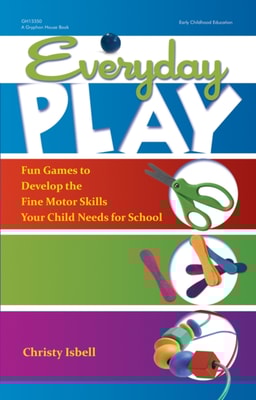
Organized by age for easy referencing, the dozens of creative activities in Everyday Play are perfect for children aged three to five, and they develop the fine motor skills every child needs for school.
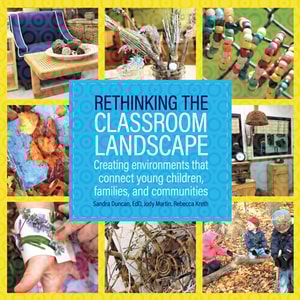
An early childhood classroom should reinforce and enhance young children'ssense of belonging and connection to their environment, each other, theirfamilies, and their community.
When young children are engaged in imaginative play, they are not just having fun; they are developing skills and concepts that are foundational to their learning.
Packed with opportunities to build confidence and to enhance language, coordination, social interactions, and problem-solving skills, Games to Play with Two Year Olds is a must-have for anyone caring for a child between the ages of two and three.
In classrooms across the country, teachers are encountering more children who are learning English, come from diverse backgrounds, and who speak a variety of languages.
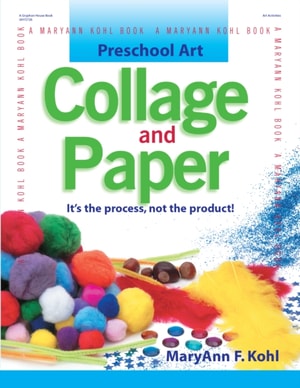
Excerpted from the national best-seller Preschool Art, MaryAnn Kohl brings you 50 great ways to create with playdough, tissue mche, yeast dough, peanut butter dough and more.
In this series, you'll find more creative ways to use a tube sock, milk carton, and other inexpensive things found around the house than you ever imagined.
Encourage young investigators to feel, listen, smell, taste, and see their way to discovery by seamlessly infusing math and science throughout the school day!