2020 Finalist for Book of the Year Award, North American Society of Social and Political Philosophy (NASSP)This book examines the philosophical, motivational, and practical challenges of education theory, policy, and practice in the twenty-first century.
This volume brings together many of South Africa's leading scholars of education and covers the full range of South African schooling: from financing and policy reform to in-depth discussions of literacy, numeracy, teacher development and curriculum change.
This volume presents the history of Western education through the biographies of some 70 individuals, past and present, who exemplify the education of their times or have made important contributions to the development of educational theory or practice.
This book explores how citizen teachers can expand our capacities to generate more equitable and just spaces with families by working as community organizers.
This book spotlights design and media education in Asia, with contributors providing their reflections on curriculum development, pedagogy, and practice from Australia, China, Japan, India, Mongolia, the Philippines, Singapore, and Turkey.
This book explores the ability of the Norwegian school system to support the achievement of formal competencies among children with physical disabilities, as well as its role in the informal dimensions of social participation and networking.
This book provides an interdisciplinary structure to critique existing approaches that have failed to eradicate systemic inequalities across helping professions.
This book examines the experiences and perspectives of students and teachers at an alternative music school, which caters for young learners who have been marginalised and disenfranchised from mainstream schooling.
This book explores critical pedagogy and issues relating to entrepreneurialism, commodification, and marketization in education, and their deleterious effects on student agency and subjectivity.
This book blends multiple research studies, historical and current events, reflective teaching examples, and guidance for LGBTQ+ inclusion and queer pedagogy in elementary schools.
This book provides a comprehensive overview of various models and practices of implementing project management in schools, and conceptualizes the processes of adaptation and development of project management curricula within the unique context of the contemporary school environment.
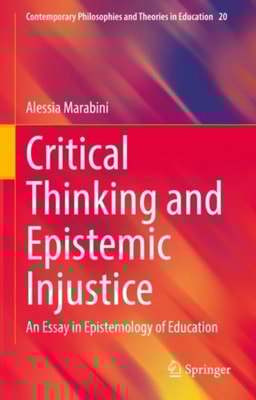
This book argues that the mainstream view and practice of critical thinking in education mirrors a reductive and reified conception of competences that ultimately leads to forms of epistemic injustice in assessment.
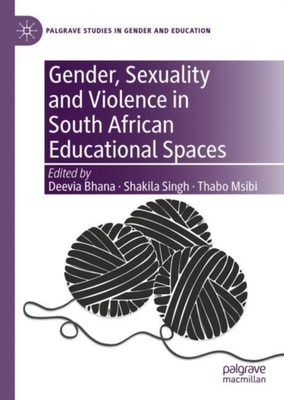
The book focuses on the ways in which gendered and sexualised systems of power are produced in educational settings that are framed by broader social and cultural processes, both of which shape and are shaped by children and young people as they interact with each other.
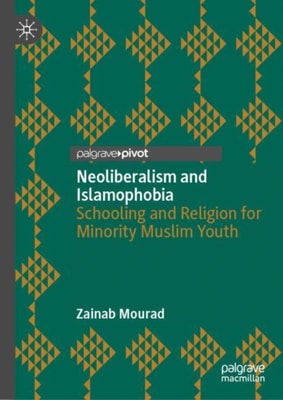
This book explores the ways in which dynamics of Islamophobia and neoliberalism shape the schooling experiences of minority Muslim students in Sydney primary, public and independent schools.
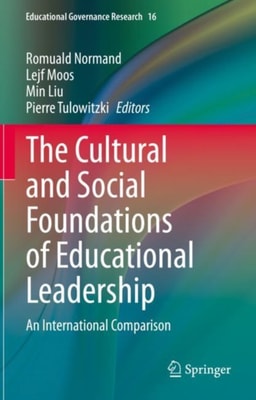
This book identifies the cultural and moral foundations of country-specific educational governance and school leadership and presents the principles of justice and the diversity of common goods that guide leadership practices in schools.
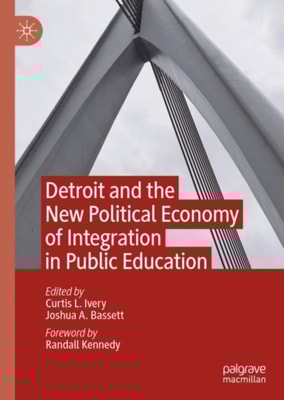
This edited volume analyzes a little-known but important juncture in the history of racial integration and public education during the Obama administration through the advent of the Trump administration, which also marks a significant transition of US racial politics and race relations from its foundations in civil rights movements of the 1950s/60s.
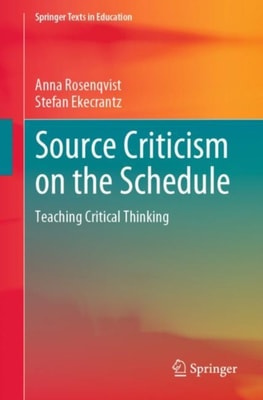
This textbook is a practical and theoretical teacher guide on how to develop critical thinking and source criticism in contemporary elementary and secondary education, which requires students to develop their critical thinking from different perspectives as well as to develop their ability to critically evaluate sources they use for school-related work.
This handbook examines what education would look like if it prepared gifted students to transform the world-to make it a better place for all, not just for those who receive extra resources from schools in return for being labeled as "e;gifted.
This edited book presents a range of chapters written by new and established authors, drawing on a range of different perspectives and traditions to critically analyse education, work and social change in the former coalfields.
This book explores how antiracism theories can be translated into practice within formal education, as well as in other educational programs outside schools, as very often racism occurs outside the school environment.
This book identifies and emphasizes the need for a holistic approach to school improvement when it comes to both the development of the whole child and the relationships among student, family, and community development.
This book makes an original contribution to credential sociology by analysing how high school certificates become and remain valuable in a context of mass high school participation (i.
In an era when many young people feel marginalized and excluded, this is the first comprehensive, critical account to shed new light on the trouble of 'belonging' and how young people in schools understand, enact and experience 'belonging' (and non-belonging).
This book focuses on educational praxis-connecting work inside schools with work outside school-to produce a revitalized critical theory of education that shows its slide away from Marxism and toward culturalism.
This work discusses how the complex relationship between welfare policies of equity and market efficiencies/deficiencies of education policies is handled in local practices.
This book investigates the racism experienced by Black teacher trainee Post-graduate students whilst on teaching placements in South London primary schools.
This book provides an in-depth analysis of Native American educational issues in the Northeast and highlights teacher training and instruction that address the experience and needs of the many Native students that attend reservation border town schools.