Understanding Gay and Lesbian Youth assists the classroom teacher, school counselor, and administrator in relating to gay and lesbian youth and creating accepting and supportive learning climates.
In this educational era of increasing emphasis on student performance, there is a definite shortage of high-interest resources through which teachers can effectively address the ten standards identified by the National Council for the Social Studies (NCSS).
We are constantly bombarded with breaking scientific news in the media, but we are almost never provided with enough information to assess the truth of these claims.
This title offers pre-service, newly practicing, and seasoned school librarians opportunities for reflection as well as inspiring strategies for enacting four core values of the profession.
Aligned with the Common Core, this book enables teachers and librarians to develop lessons and workshops as well as to teach high school students how to research and write a humanities paper using a guided inquiry approach.
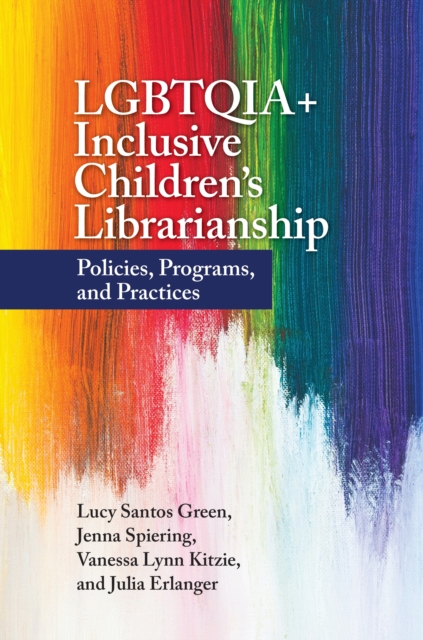
This book breaks new ground, offering school and public librarians serving children in grades K-8 a roadmap for implementing and upholding queer-inclusive programs, policies, and services.
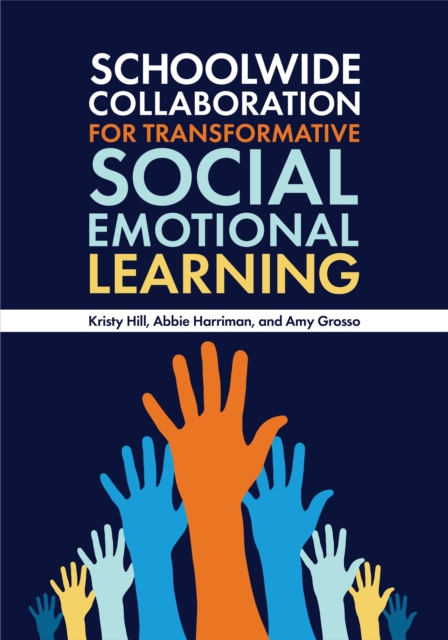
Schools and libraries can make a difference by teaching kids how to identify and cope with emotions, how to communicate with confidence and empathy, and how to persevere even when things are difficult.
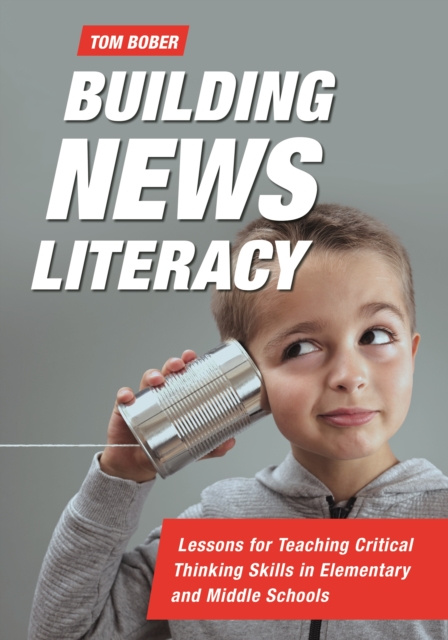
Every upper-elementary and middle school educator can teach news literacy and connected literacies, including text, visual, graphic, and video literacy, using this book.
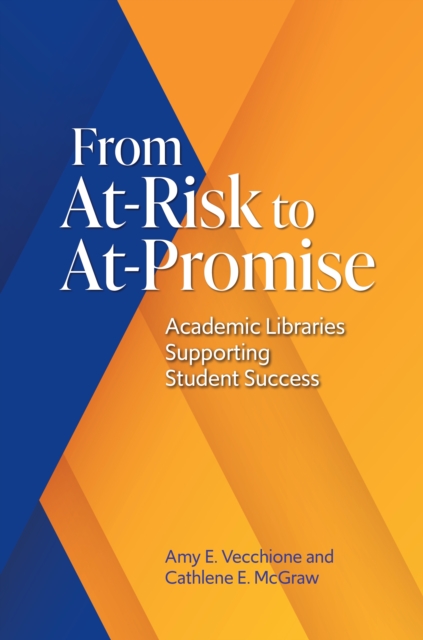
Academic library workers will learn how to collaborate with staff in academic advising and student services to improve undergraduate student belonging, retention rates, and graduation rates for at-promise students.
This guide helps librarians improve service with easy-to-follow strategies and techniques to make physical changes in library space and streamline procedures.
Current research is pushing schools to adopt more student-centered approaches to the classroom experience, and educators-librarians and classroom teachers alike-are being challenged to revise their curricula and instruction to be student-centered, personalized, and differentiated.
This up-to-date volume of topical School Library Connection articles provides school librarians and LIS professors with a one-stop source of information for supporting the core library principle of intellectual freedom.
This book serves as both a textbook and reference for faculty and students in LIS courses on storytelling and a professional guide for practicing librarians, particularly youth services librarians in public and school libraries.
This collection of ideas for lessons provides school librarians with inspiration for meeting the tsunami of new standards dictating change for today's next generation learners.
This collection of collaborative, high-impact learning experiences in information literacy teaches librarians how to engage students in hands-on, experiential learning.
Offering a broad overview of consequential changes in the landscape of reference services, this guide also provides practical guidance on how to meet the new challenges they present.
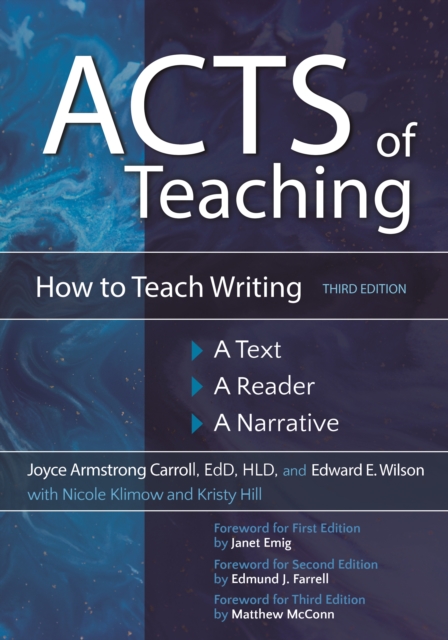
Inclusive of the scope and authoritative references from earlier editions, this edition additionally embraces the digital world and provides practical suggestions for performing the "e;act of teaching.
This quick-start guide explains how to use inquiry to promote civic engagement in the school library makerspace and provides ready-to-use ideas for hands-on service projects.
This guide for the evaluation of school libraries both in practice and in research covers analysis, techniques, and research practices for conducting evaluations of curriculum, collections, facilities, and library personnel performance.
This valuable book provides a delicate introduction to the topic of sexually transmitted diseases (STDs), especially as they relate to teens and young adults.
This practical, hands-on book explains how to ensure that your students are information and communication technology literate-that is, competent with a range of tools, technologies, and techniques for seeking out and applying information.
Exploring the ways in which today's Internet-savvy young people view and use information to complete school assignments and make sense of everyday life, this new edition provides a review of the literature since 2010.
Aligned with the Common Core, this book enables teachers and librarians to develop lessons and workshops as well as to teach high school students how to research and write a humanities paper using a guided inquiry approach.
This book is a guide to understanding the important issue of stigma - `associated disadvantage' - which affects not only those who are excluded from society, but also family members and friends.
This gathering of eminent thinkers from the sciences and the humanities engages a common theme: In what ways does language-and storytelling in particular-deal with ethics in science, in literature, and in other art forms?
Supporting New Teachers: Insight for Principals and Others to Help New Teachers in Their Initial Years provides a framework for critical components every new teacher needs to be successful and feel supported in their first year of teaching.
The Rules of the Game is an examination of Standard Written American English (SWAE), which is the dialect of educated people, and an analysis of the characteristics of that dialect.
Suspicious aims at providing teachers and students of history and related social sciences with ideas for critical thinking about past and present applied to documentation, images, and historical writing.
The Language of Mathematics: How the Teacher's Knowledge of Mathematics Affects Instruction introduces the reader to a collection of thoughtful works by authors that represent current thinking about mathematics teacher preparation.
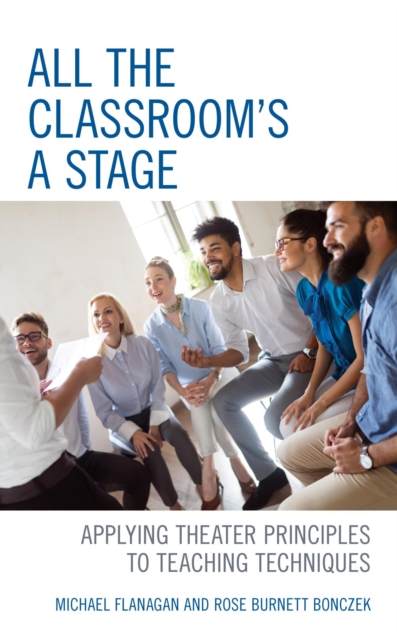
All the Classroom's a Stage reveals how teachers can apply theater skills to the craft of teaching and enhance their ability to engage and motivate students, cultivate collaborative learning, and become stronger and more dynamic 'performers' in the classroom.
The book draws from literary, psychological, and sociological perspectives to discuss and to illustrate how these perspectives contribute to instructional practices in Young Adult Literature.
This book exposes the truths regarding education and economics so that every individual can understand the negative ramifications of implementing policies and practices based on educational and economic falsehoods.
This text offers 6th - 12th grade educators guided instructional approaches for including diverse young adult (YA) literature in the classroom as a form of social justice teaching and learning.
To address Common Core State Standards (CCSS) for reading and language, today's educators strive to help their students develop higher-level understanding with challenging materials.
Inquiry Units for English Language Arts is an engaging and relevant collection of instructional units that delve into contemporary problems related to equity, justice, identity, freedom, and social reform.