Bridging the gap between instructional design (ID) theory and practice in today's technology-enhanced learning environments, the book extends the current understanding of instructional science with an up-to-date perspective on emerging technologies and their affordances for teaching and learning.
Teachers at all grade levels in all subjects have speaking assignments for students, but many teachers believe they don't know how to teach speaking, and many even fear speaking to groups themselves.
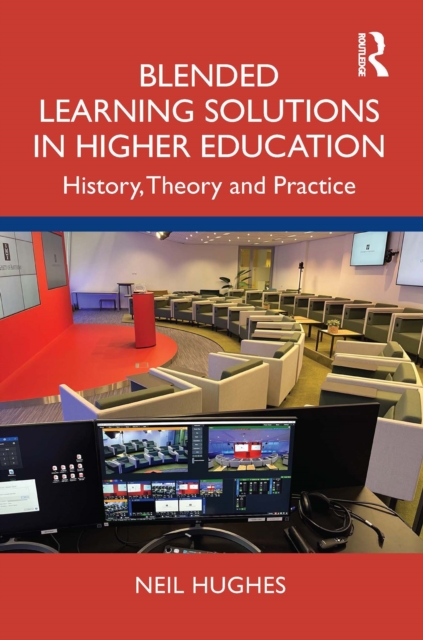
Blended Learning Solutions in Higher Education explores the origins, empirical foundations, and implementation of blended learning in colleges and universities.
In these changing times of global flows of media and technologies and reports of declining reading enjoyment, researchers, policymakers and educators need to engage anew with essential issues of what counts as reading, what kinds of reading matter and how to support teen reading engagement in school and out-of-school settings.
Based on the author's decades of teaching, pedagogical and theatrical research, and his professional experience as actor and director, Making a Scene: Creating a Scene Study Class for Actors offers a pedagogical approach to rehearsal scenes as a primary tool for diagnosis and actor improvement.
Mapping the Research Landscape of Interpreter and Translator Education explores research themes in interpreter and translator education based on a systematic review of more than 20 years of research in the field.
'Team leadership is the exercise of one's spiritual gifts under the call of God to serve a certain group of people in achieving the goals God has given them toward the end of glorifying Christ.
This book delineates a comprehensive framework designed to ultimately assist organizations as they navigate the critical juncture-often termed the inflection point-in adopting generative Artificial Intelligence (AI).
This collection focuses on social awareness and critical language awareness with the goal of enlightening and empowering multilingual and multicultural communities across the U.
This is the tale of the origin, emergence, and transformation of an unorthodox binational partnership, the Georgia Project, that brought a Mexican university to aid a Georgia school district that suddenly found itself hosting thousands of Latino newcomers.
Owning Your Project-Based Learning is a user-friendly, vividly illustrated guide designed to help undergraduate students and their instructors fully realize the power of project-based learning (PBL).