Raising awareness and understanding of autism has school-wide benefits, such as helping to improve the attitudes of pupils and staff and allowing children with autism to thrive socially, emotionally and educationally alongside their peers.
This book provides a comprehensive outline of the major parent training programs for parents of children with intellectual or developmental disabilities (IDD), including Autism Spectrum Disorder.
Building Language using LEGO(R) Bricks is a flexible and powerful intervention tool designed to aid children with severe receptive and expressive language disorders, often related to autism and other special educational needs.
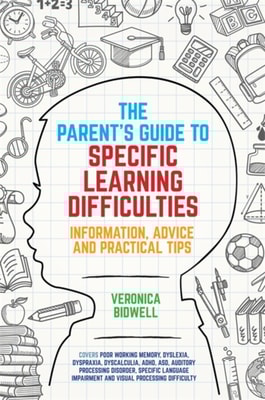
Packed full of advice and practical strategies for parents and educators, this book is a one-stop-shop for supporting children with Specific Learning Difficulties (SpLDs).
Answering all of the key questions about the kindergarten experience, this compact guide will give parents the confidence to be the most effective, up-to-speed advocates as their child enters formal education.
A practical guide to the innovative Autism Movement Therapy (R) (AMT) approach - structured movement and music classes designed to stimulate the brain, aid sensory processing and decrease problem behaviours in children with autism spectrum disorders.
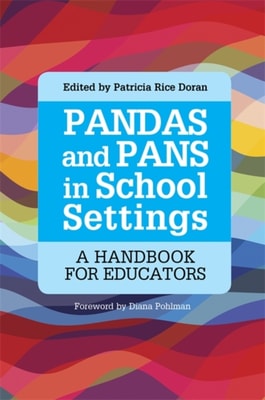
PANDAS (Pediatric Autoimmune Neuropsychiatric Disorders Associated with Strep) and PANS (Pediatric Acute-Onset Neuropsychiatric Syndrome) occur when an abnormal immune response produces brain inflammation, leading to unusual psychological symptoms in children.
Helping Foster Children In School explores the challenges that foster children face in schools and offers positive and practical guidance tailored to help the parents, teachers and social workers supporting them.
This straightforward book explains the introduction of the Mental Capacity Act 2005 (MCA) and its code of practice (COP) as part of the Children and Families Act 2014 and the accompanying SEND COP in England.
Fully updated to reflect DSM-5 and current assessment tools, procedures and research, this award-winning book provides a practical and scientifically-based approach to identifying, assessing, and treating children and adolescents with an Autism Spectrum Disorder (ASD) in school settings.
For Alison, life with her son Daniel sometimes seemed like an endless round of difficulties: disobedience, backchat, rudeness, name-calling and aggression.
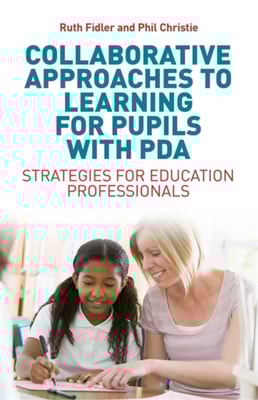
Educational environments can present challenges for children with Pathological Demand Avoidance (PDA), who require different strategies than children with a more straightforward presentation of autism, and schools frequently find themselves struggling to meet their complex needs.
Drawing on her extensive practical experience, Liz Williams provides a highly accessible and much-needed guide to promoting positive behaviour in early years settings.
This straightforward guide provides the essential information for parents and advocates to understand US law and get the right educational entitlements for a child with dyslexia.
Natural Curiosity is a warm and contemplative insight into one family's experience of moving from mainstream schooling to home education, and learning through the lens of nature and natural history.
This volume focuses on an inclusive pedagogical approach for enhancing teaching and learning in key areas of curriculum including: literacy, mathematics, science, social studies, and the arts.
The Advances in Special Education Technology series is designed to focus international attention on applications of technology for individuals with disabilities.
This volume explores serious challenging behavior in schools, with an emphasis on promising and research-based approaches to dealing with such behavior.
This volume addresses the most current perspectives and issues related to learning disabilities and is written by leaders in the field of learning disabilities.
This volume addresses the most current perspectives and issues related to learning disabilities and is written by leaders in the field of learning disabilities.
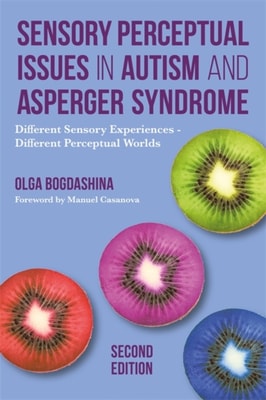
This book will allow anyone who lives or works with children with Autism to see the world as they do, and develop strategies for managing and understanding it effectively.
A book for teachers that shares Joe Beech's story but, more importantly, is full of practical ideas that can be used by students with dyslexia and by teachers teaching children with dyslexia.
This key text recognises the importance of upskilling students and practitioners to understand children's holistic needs and to develop new ways of working therapeutically that support their wellbeing and resilience.