A design-minded teacher facilitates learning that is flexible, creative, and collaborative-with a healthy mix of critical thinking, trial and error, failure, and success.
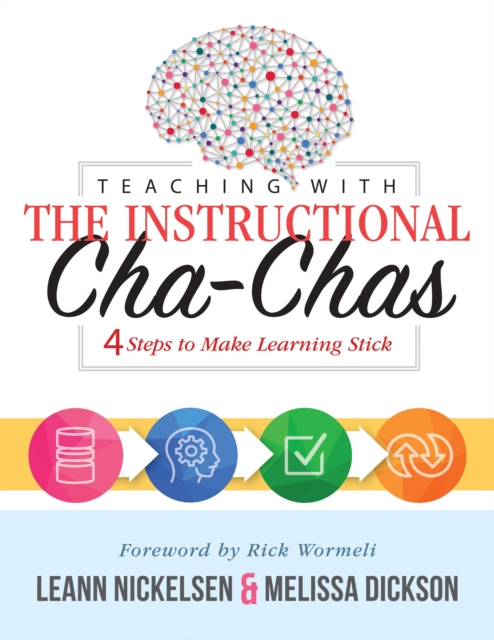
With foreword by Rick WormeliMerging educational neuroscience with a formative assessment process and differentiated instruction, LeAnn Nickelsen and Melissa Dickson developed a four-step cycle of instruction -- (1) chunk, (2) chew, (3) check, and (4) change -- that has the power to double the speed of student learning.
This anthology brings the ideas and recommendations of many of the world's education leaders into one resource that illustrates the many perspectives on effective assessment design and implementation.
With foreword by Lee CanterNo-Nonsense Nurturers are educators who build life-altering relationships with students, set high expectations for students, and hold themselves and their students accountable for achievement.
The sequel to Pyramid Response to Intervention advocates that a successful RTI model begins by asking the right questions to create a fundamentally effective learning environment for every student.
This practical and easy-to-use resource addresses the need for strategies to effectively handle challenging students, and contains an ample supply of tips for handling a wide variety of challenging situations that virtually every educator will face.
To move forward in the school improvement process, school leaders must address the behaviors of difficult and resistant staff members while sending the message that a few people cannot halt change.
In The Teaching of English as an International Language (1981) Gerry and his colleagues put forward their ideas on classroom practice in overseas schools.
By integrating classroom formative assessment practices into daily activities, educators can substantially increase student engagement and the rate of student learning.
In the second edition of this valuable resource, Allen Mendler offers both time-tested and newly developed strategies for how to reignite enthusiasm in even the most unmotivated students.
Improve the quality of organizational learning in your school and address how current demands for rapid change and accountability contribute to levels of fear and stress.
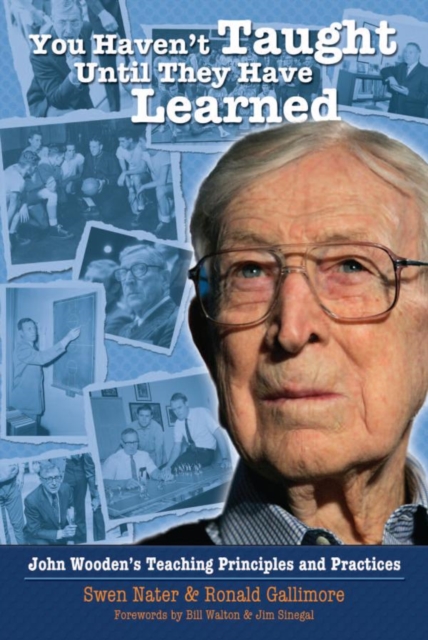
Co-author Swen Nater, one of John Wooden's former basketball players at UCLA, provides insightful first-hand accounts on the many life lessons he learned from Wooden that has applied to his life since becoming a teacher himself.
To fully prepare students for college, careers, and life, it is essential for educators to nurture students' behavioral skills along with their academic skills.