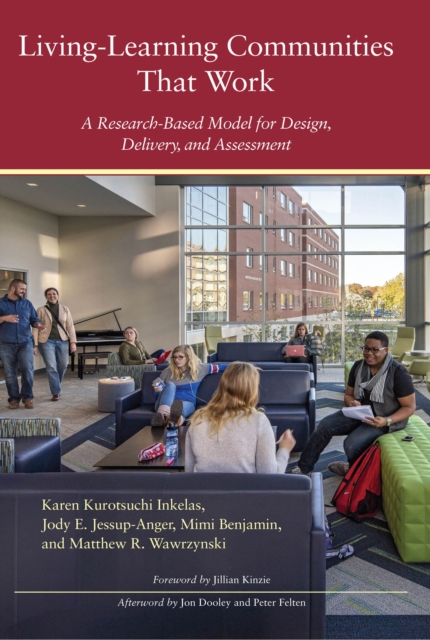
Co-published with In 2007, the American Association of Colleges and Universities named learning communities a high-impact practice because of the potential of these communities to provide coherence to and ultimately improve undergraduate education.
This book is intended for faculty and faculty developers, as well as for deans, chairs, and directors responsible for promoting teaching and learning in higher education.
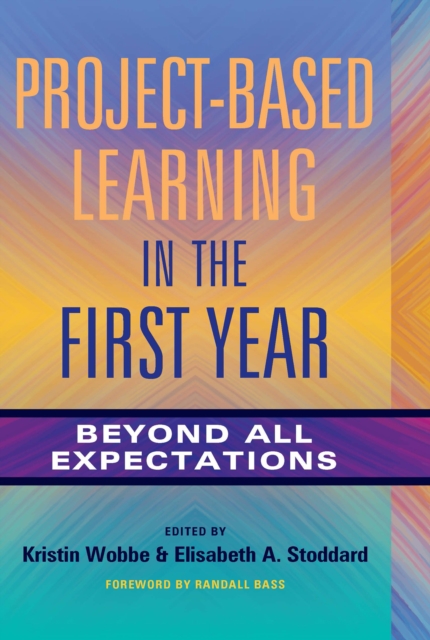
Published in association with This book has two goals: First, to show the value of significant project-based work for first-year undergraduate students; and Second, to share how to introduce this work into first year programs.
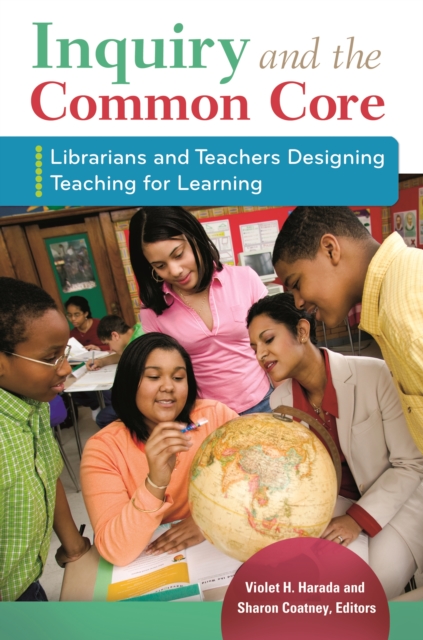
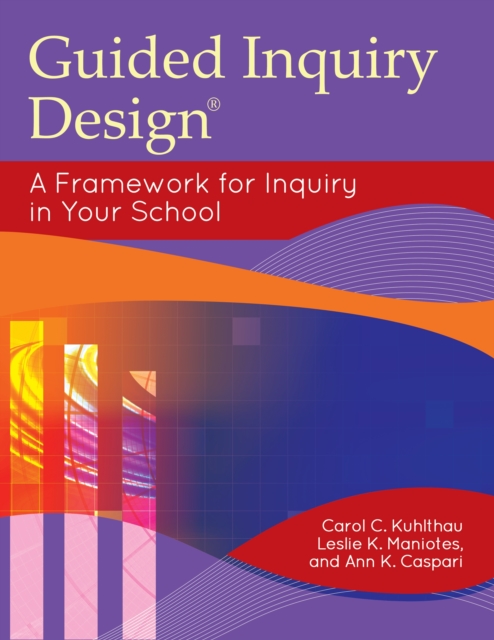
Practicing librarians and library educators demonstrate the power of inquiry to achieve the Common Core State Standards (CCSS) and promote school librarians as key partners in implementing this type of critical teaching and learning in K-12 schools.
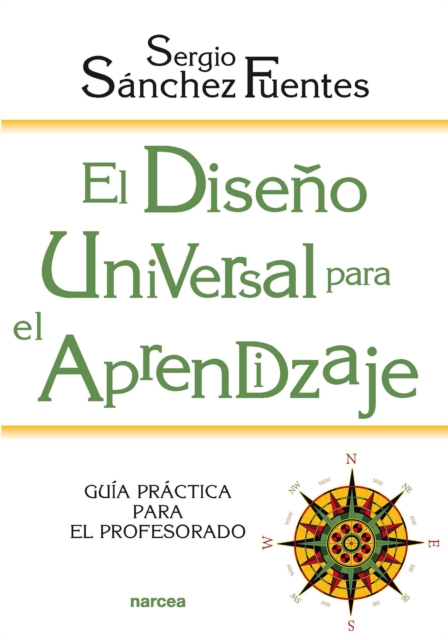
Este libro es un texto que sirve de guía para el profesorado sobre la aplicación del paradigma del Diseño Universal para el Aprendizaje (DUA) en la programación docente.
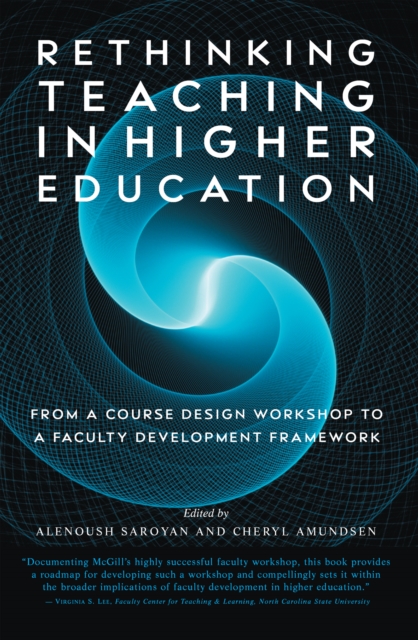
Is higher education preparing our students for a world that is increasingly complex and volatile, and in which they will have to contend with uncertainty and ambiguity?
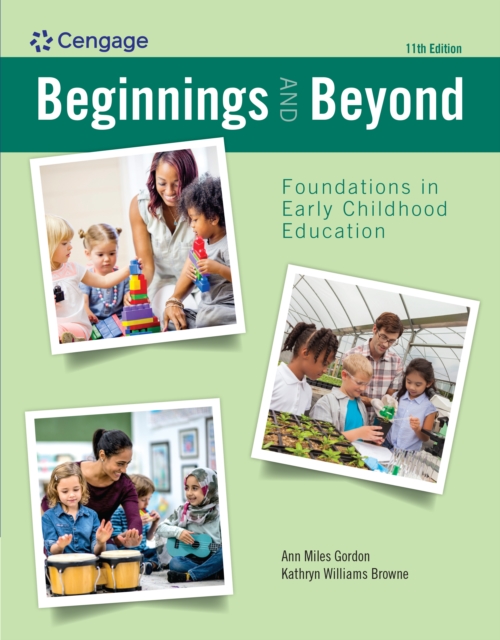
With its clear, easy-to-understand style, Gordon/Browne's BEGINNINGS AND BEYOND: FOUNDATIONS IN EARLY CHILDHOOD EDUCATION, 11th Edition, uses the latest research and practical examples to thoroughly explain the key concepts you need to know.
Fresh out of graduate school and desperate to pay off her student loans, Nicole Adams joins the faculty at Higher State U, a small university with a dubious past located in the middle of the Midwest.
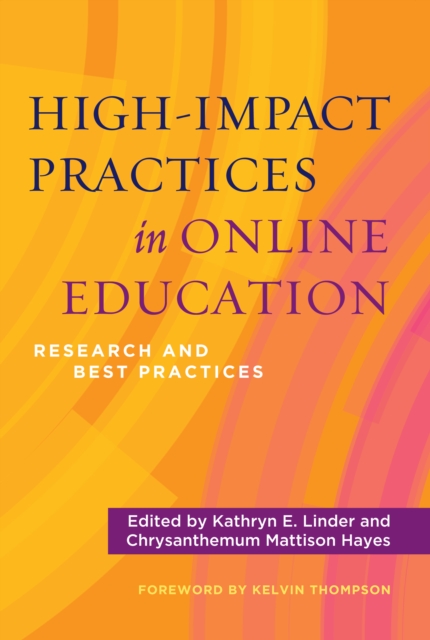
This volume offers the first comprehensive guide to how high-impact practices (HIPs) are being implemented in online environments and how they can be adjusted to meet the needs of online learners.
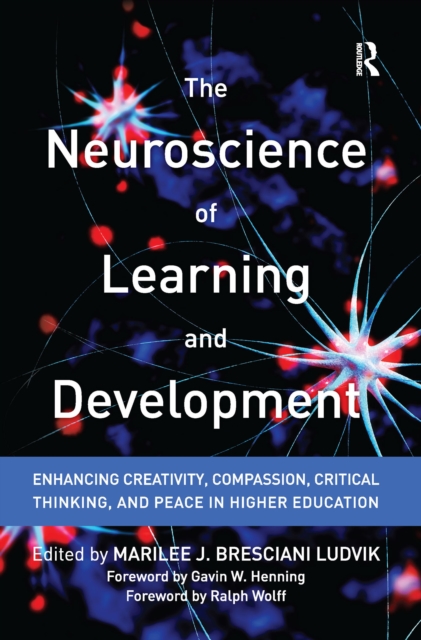
Deep and lasting learning results when we teach human brains in ways responsive to how they're structured and how they function, which is not how we imagine they work or wish they would work.
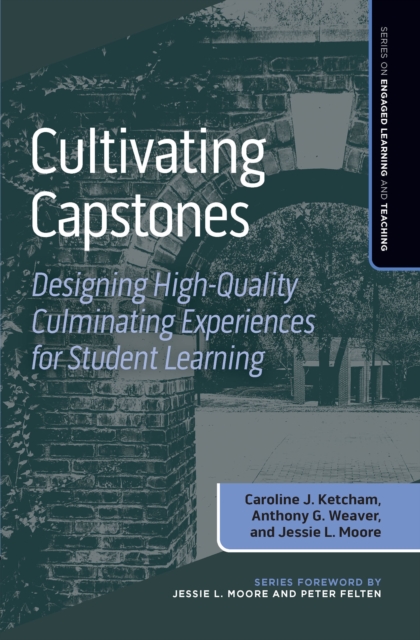
Capstones have been a part of higher education curriculum for over two centuries, with the goal of integrating student learning to cap off their undergraduate experience.
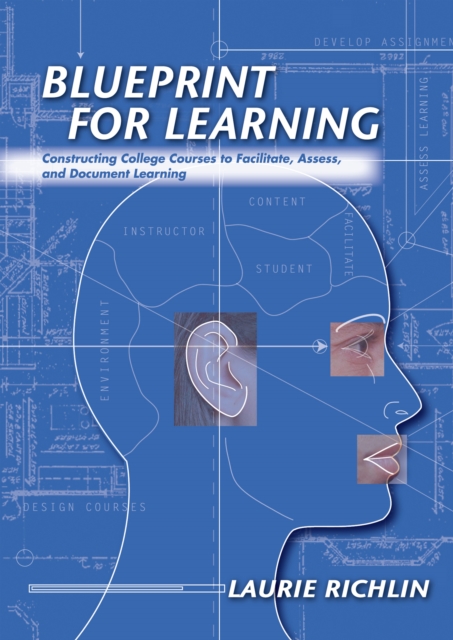
** An acclaimed educator presents hands-on advice on teaching that meets today's emphasis on learning outcomes and assessment** Informed by the most up-to-date research on how people learn** For all instructors in higher education--as well as high school teachersLaurie Richlin has been running a workshop on course design for higher education for over fifteen years, modifying and improving it progressively from the feedback of participants, and from what they in turn have taught her.
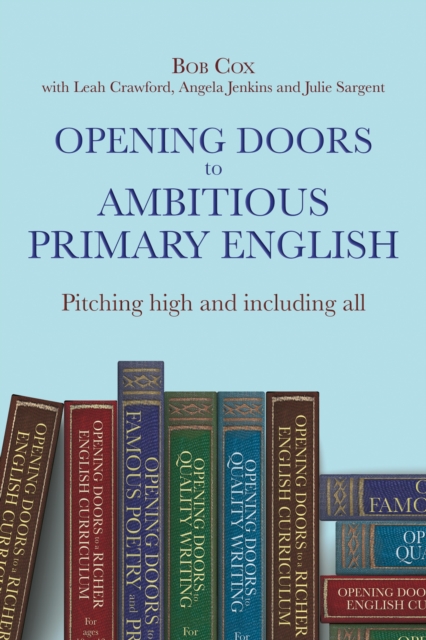
Together with Leah Crawford, Angela Jenkins and Julie Sargent, Bob Cox has compiled this rich resource, complete with vivid illustrations by Victoria Cox, to help teachers enhance their learners' engagement with challenging texts and develop their writing skills as budding wordsmiths.
Over the coming decades, every academic discipline will have to respond to the paradigm of more sustainable life practices because students will be living in a world challenged by competition for resources and climate change, and will demand that every academic discipline demonstrate substantial and corresponding relevance.
Pauses constitute a simple technique for enlivening and enhancing the effectiveness of lectures, or indeed of any form of instruction, whether a presentation or in an experiential setting.
This concise guidebook is intended for faculty who are interested in engaging their students and developing deep and lasting learning, but do not have the time to immerse themselves in the scholarship of teaching and learning.
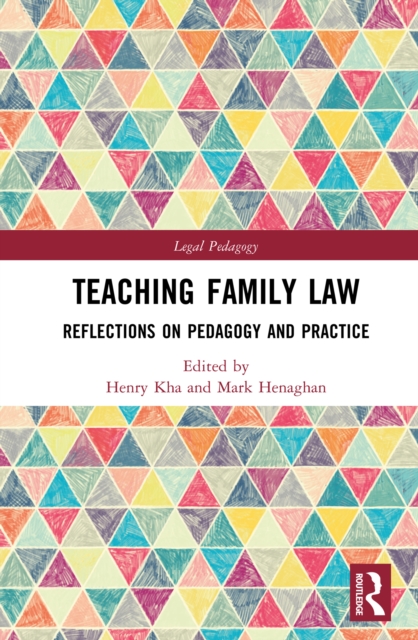
This book provides a comprehensive analysis of the teaching of an eclectic range of family law topics and the unique opportunities and challenges of teaching family law in different jurisdictions from a varied international perspective.
This volume offers the first comprehensive guide to how high-impact practices (HIPs) are being implemented in online environments and how they can be adjusted to meet the needs of online learners.
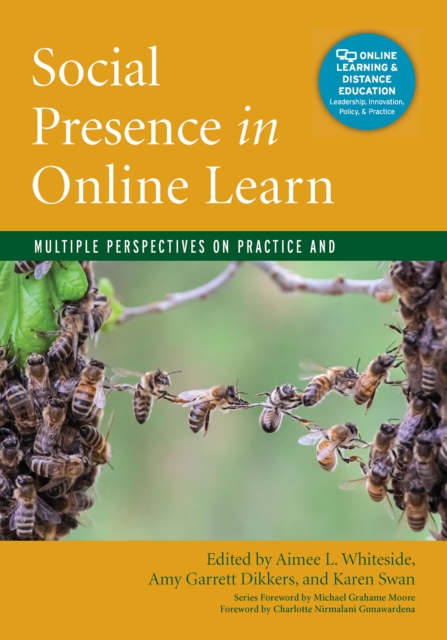
Published in Association with 2020 AECT Division of Distance Learning Book AwardSocial presence continues to emerge as a key factor for successful online and blended learning experiences.
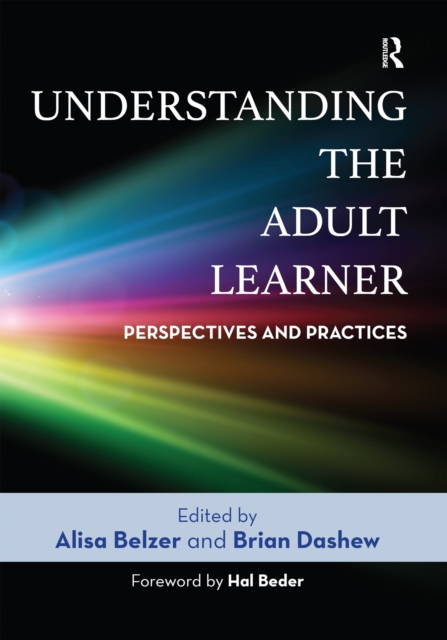
Adults seek out learning for very different reasons in different contexts, and this book is intended to support adult educators' development in responding to this rich array.
Learning to write well requires learning to use writing as a tool to think well, and Rosenwasser/Stephen's WRITING ANALYTICALLY, 9th edition, shows you how.
Research has identified the importance of helping students develop the ability to monitor their own comprehension and to make their thinking processes explicit, and indeed demonstrates that metacognitive teaching strategies greatly improve student engagement with course material.
Higher education is facing a perfect storm as it contends with changing demographics, shrinking budgets and concerns about access and cost, while underrepresented groups - both in faculty ranks and students - are voicing dissatisfaction with campus climate and demanding changes to structural inequities.
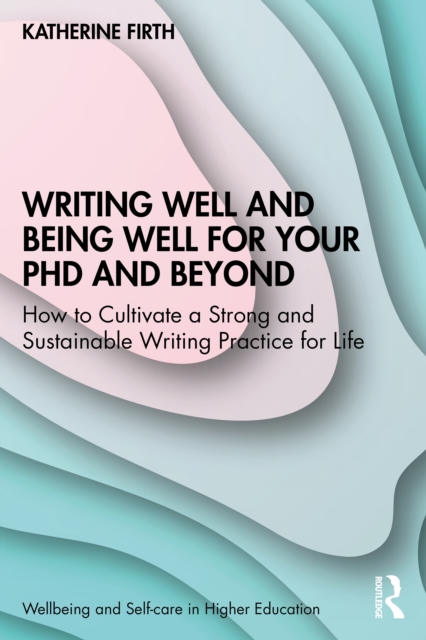
Prioritizing wellbeing alongside academic development, this book provides practical advice to help students write well, and be well, during their PhD and throughout their career.
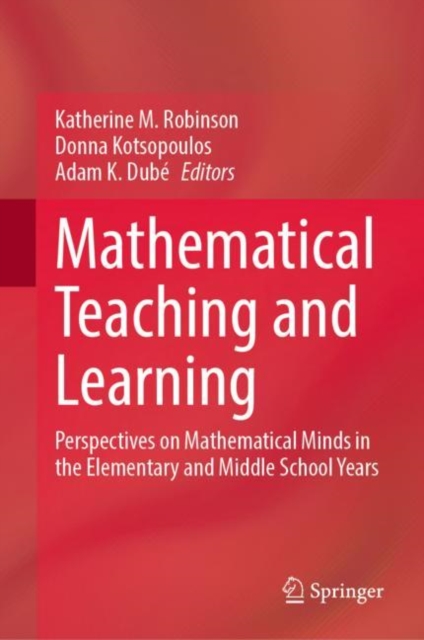
This book focusses on teaching and learning in elementary and middle school mathematics and suggests practices for teachers to help children be successful mathematical thinkers.
This book focusses on teaching and learning in elementary and middle school mathematics and suggests practices for teachers to help children be successful mathematical thinkers.
This book provides a comprehensive analysis of the teaching of an eclectic range of family law topics and the unique opportunities and challenges of teaching family law in different jurisdictions from a varied international perspective.
Drawing on interviews with Dan Bernstein (psychology, University of Nebraska), Brian Coppola (chemistry, University of Michigan), Sheri Sheppard (mechanical engineering, Stanford University), Randy Bass (American literature, Georgetown University), and colleagues within and outside their institutions and fields, the author looks at the routes these pathfinders have traveled through the scholarship of teaching and learning and at the consequences that this unusual work has had for the advancement of their careers, especially tenure and promotion.
Students who know how to collaborate successfully in the classroom will be better prepared for professional success in a world where we are expected to work well with others.
Drawing on interviews with Dan Bernstein (psychology, University of Nebraska), Brian Coppola (chemistry, University of Michigan), Sheri Sheppard (mechanical engineering, Stanford University), Randy Bass (American literature, Georgetown University), and colleagues within and outside their institutions and fields, the author looks at the routes these pathfinders have traveled through the scholarship of teaching and learning and at the consequences that this unusual work has had for the advancement of their careers, especially tenure and promotion.
Community-based research (CBR) refers to collaborative investigation by academics and non-academic community members that fosters positive change on a local level.