El presente volumen, 2º de esta Colección, aspira a profundizar en los mecanismos y engranajes de la mente cuando ésta se dispone a "crear", es decir, trata de explicar cómo se desarrolla una mente creativa.
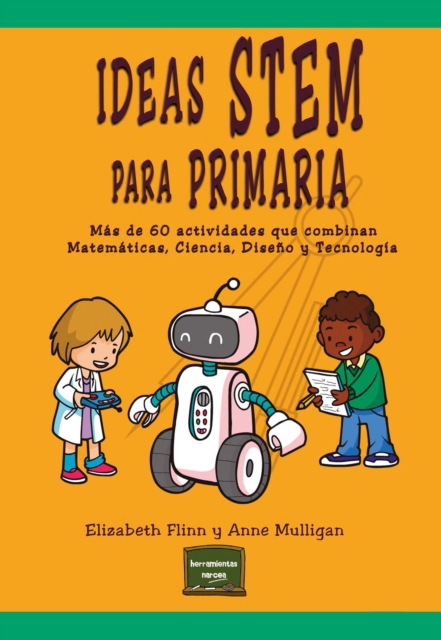
Ideas STEM para Primaria está diseñado para promover la enseñanza integrada de STEM en las aulas, proporcionando al profesorado ideas útiles e innovadoras para desarrollar actitudes investigadoras en el alumnado y para elaboración de proyectos.
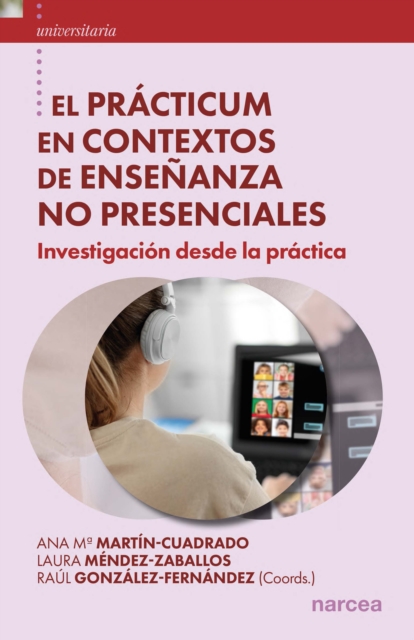
Un libro destinado a docentes e investigadores de Educación Superior interesados en mejorar la estructuración y procesos educativos del periodo de prácticas de las diversas titulaciones en contextos formativos no presenciales, contextos cada vez más presentes en las instituciones universitarias y que se han visto potenciados a raíz de la reciente situación sanitaria.
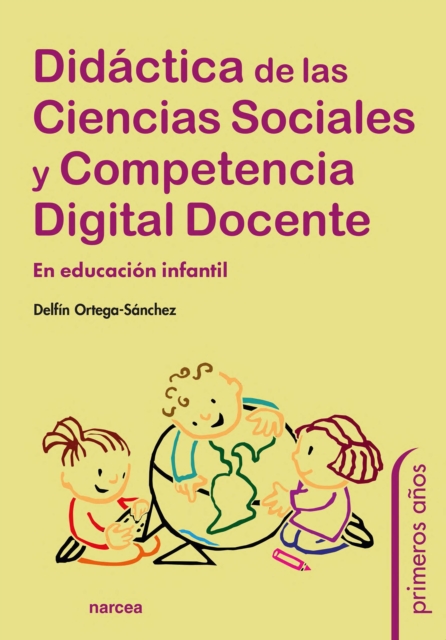
Este libro ofrece los fundamentos teóricos y las claves metodológicas necesarias para trabajar, de forma integrada y secuencial, la Didáctica de las Ciencias Sociales y la Competencia Digital Docente (CDD) en Educación Infantil.
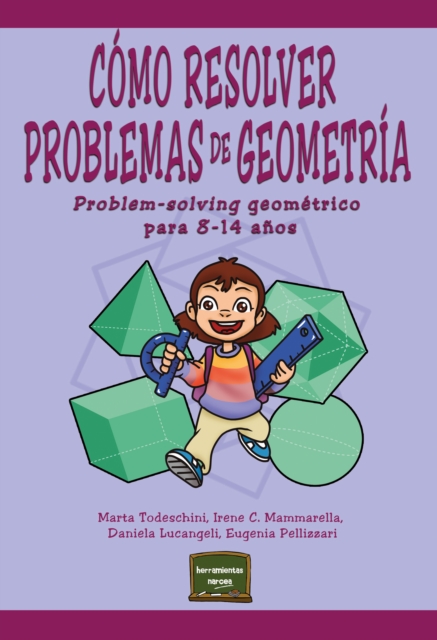
Este libro propone cuestiones auténticas y significativas de Geometría, vinculadas a la vida cotidiana, para hacer que su estudio se convierta en un fascinante proceso de razonamiento que abra la mente del alumnado a la belleza de las formas.
Habilidades para niños es un método innovador desarrollado para ayudar a niños, desde los tres años de edad, a lidiar con problemas emocionales y conductuales.
Escribir permite no solo entender y comunicar conocimiento, sino también contrastar, elaborar y organizar diferentes ideas, es decir, aprender y generar nuevo conocimiento.
A partir de los avances investigadores internacionales más recientes en el ámbito científico de la educación patrimonial y de la educación democrática para una ciudadanía activa, este volumen bilingüe castellano-inglés busca ofrecer modelos teórico-prácticos aplicables para un desarrollo transdisciplinar, integrado y sostenible de la educación STEAM (STEM [ciencia, tecnología, ingeniería y matemáticas] + A [arte]) en todas las etapas educativas preuniversitarias.
Este libro surge como una propuesta de académicos y profesionales en relación con la actuación que la Educación Social puede desarrollar ante los retos que plantea el sistema educativo.
Este libro presenta una muestra de experiencias relacionadas con el uso educativo de los videojuegos que pueden resultar de interés para el conjunto de los miembros de la comunidad educativa (profesorado de Infantil, Primaria, Secundaria, Bachillerato, Formación Profesional y Universidad; profesionales de instituciones sociocomunitarias; familias y empresas relacionadas con el sector de los videojuegos).
Este libro está escrito por personas como tú, estudiantes, profesoras y educadoras, enamoradas del oficio de educar, que sueñan con un mundo mejor que nace cada vez que nos comprometemos con lo que está en nuestras manos.
Estamos ante un libro fresco que pone en diálogo a unos cuarenta profesionales, utilizando narrativas diversas, y que plantea la inprescindible toma de posición de la animación sociocultural (ASC) desde su práctica activista, movilizadora y transformadora.
«Cuando uno termina de leer este libro, siente que está situado exactamente en el punto actual del avance educativo en favor del acceso a la lectura y que supone una ayuda inteligente, precisa y amable para progresar en ello.
Esta obra es una reflexión teórica, con aplicaciones para la práctica y la política educativa, sobre la importancia que tiene una educación excelente para desarrollar el potencial y las capacidades de aprendizaje que posee la infancia.
La infancia es el periodo de la vida del niño desde que nace hasta los inicios de la pubertad, es una etapa fundamental para el desarrollo de las capacidades físicas, cognitivas, sociales y emocionales y de la formación de valores.
La emergencia sanitaria mundial causada por la COVID-19 obligó a los sistemas educativos a utilizar un modelo pedagógico en el cual el proceso de enseñanza-aprendizaje se desarrolla íntegramente en entornos virtuales.
Esta obra se centra en mostrar los distintos retos que han surgido en el panorama educativo y han afectado a todos los agentes implicados desde el inicio de la pandemia originada por la COVID-19.
A raíz de la publicación de la Agenda 2030 por la Unesco en 2015, se establecieron 17 objetivos de desarrollo sostenible (ODS) y las pautas de cómo se ha de proceder con los mismos con la finalidad de hacer realidad los derechos de las personas y fortalecer la paz universal y el acceso a la justicia.
La universidad hoy debe pretender una información y formación integral, que toque todas y cada una de las dimensiones humanas (cognitiva, comunicativa, social, cultural, política, pero también ética, espiritual, afectiva y estética).
El presente libro es una propuesta pedagógica sobre los últimos avances y experiencias acerca del fenómeno educativo mediado por la tecnología desde los diferentes contextos donde tiene lugar.
En la actualidad, la metodología educativa del "aprender haciendo para mejorar aspectos de la realidad" se está expandiendo por los distintos continentes que configuran el planeta Tierra, conformándose en un movimiento pedagógico sustentado por redes internacionales y nacionales de investigación y difusión que intentan dar cuenta de la multitud de prácticas desarrolladas, los marcos conceptuales que las sostienen y el impacto en los agentes que intervienen.
En la nueva era hacen faltan planteamientos educativos en los que se tenga en cuenta la educación tecnológica junto con un sentido humanista que atienda a la diversidad, a la adaptación, a la creatividad, al desarrollo cognitivo y a la construcción del conocimiento desde un sentido crítico.
La pandemia ocasionada por COVID-19 ha precipitado el uso de la digitalización entendida como la tecnología al servicio de la sociedad en todos los sentidos y contextos; la digitalización llegó para quedarse, y no de manera estática, pues se están produciendo grandes avances en ofrecer nuevas alternativas y modelos de educación.
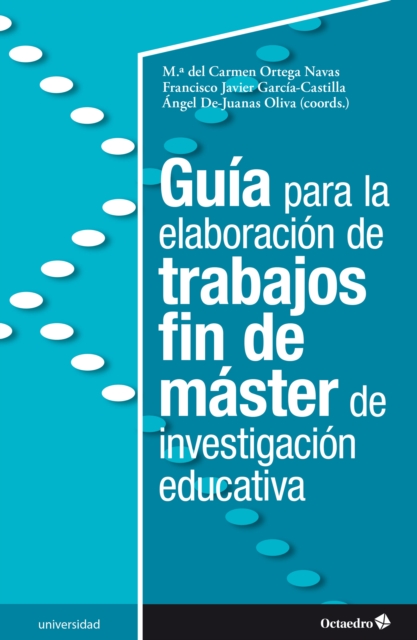
Este es un libro pensado por y para ser un manual de consulta que oriente a los estudiantes en la realización de trabajos fin de máster (TFM) en investigación educativa.