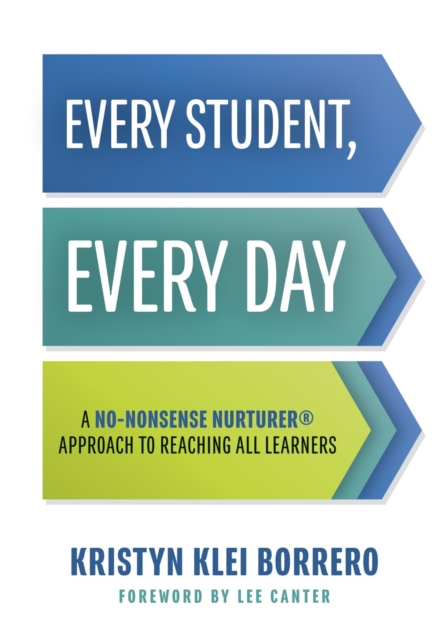
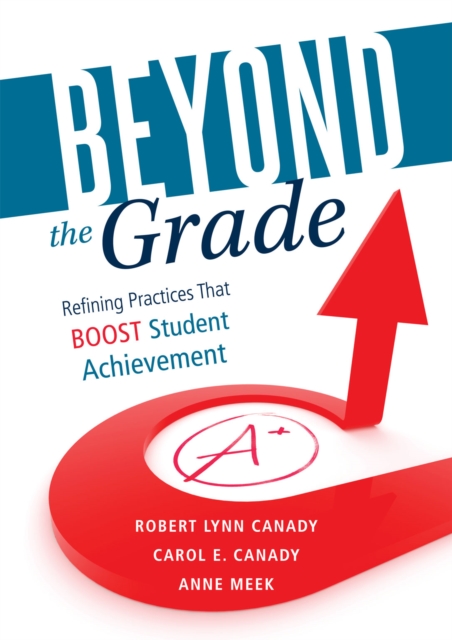
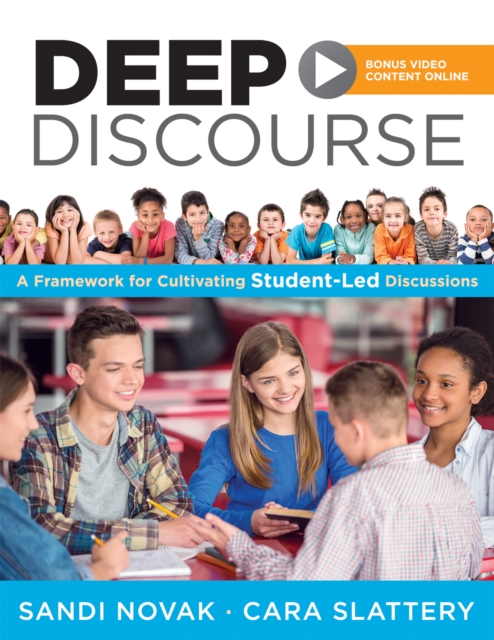
With foreword by Lee CanterNo-Nonsense Nurturers are educators who build life-altering relationships with students, set high expectations for students, and hold themselves and their students accountable for achievement.
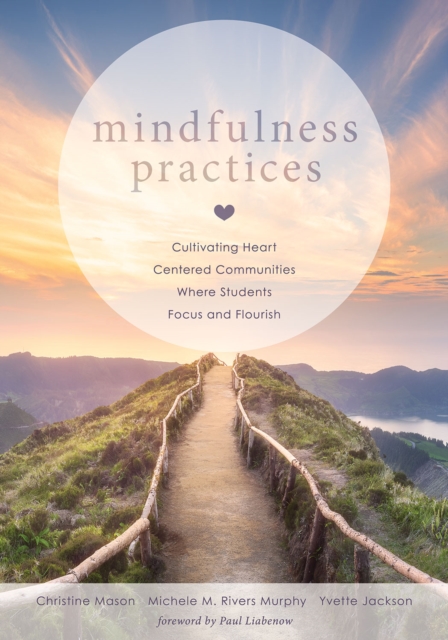
With foreword by Paul LiabenowBuild compassionate classroom environments and mindful schools that prioritize high levels of achievement and high levels of well-being.
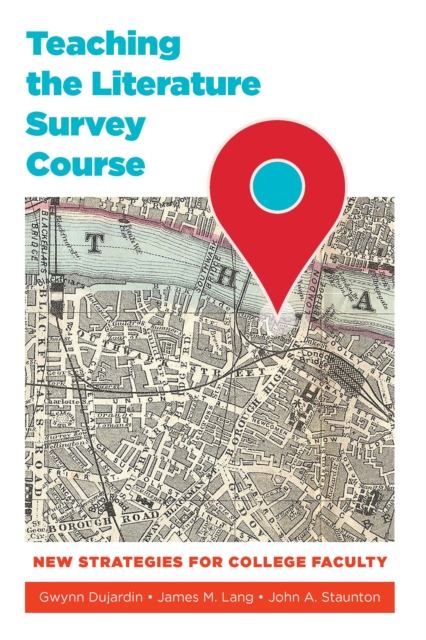
Teaching the Literature Survey Course makes the case for maintaining-even while re-imagining and re-inventing-the place of the survey as a transformative experience for literature students.
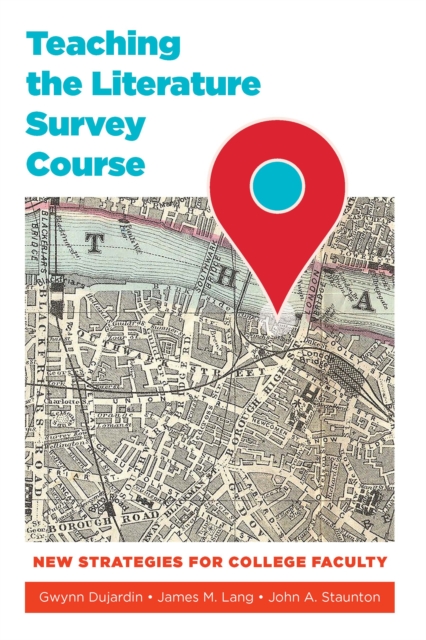
Teaching the Literature Survey Course makes the case for maintaining-even while re-imagining and re-inventing-the place of the survey as a transformative experience for literature students.
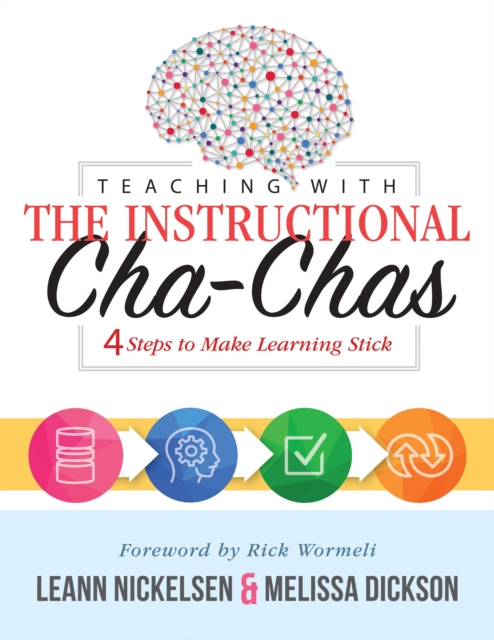
With foreword by Rick WormeliMerging educational neuroscience with a formative assessment process and differentiated instruction, LeAnn Nickelsen and Melissa Dickson developed a four-step cycle of instruction -- (1) chunk, (2) chew, (3) check, and (4) change -- that has the power to double the speed of student learning.
First introduced in Unstoppable Learning, the Unstoppable Learning framework details seven essential elements of teaching and learning: (1) planning, (2) launching, (3) consolidating, (4) assessing, (5) adapting, (6) managing, and (7) leading.
Part of the Unstoppable Learning SeriesAdopted by educators worldwide, the Unstoppable Learning model includes seven elements of teaching and learning: (1) planning, (2) launching, (3) consolidating, (4) assessing, (5) adapting, (6) managing, and (7) leading.
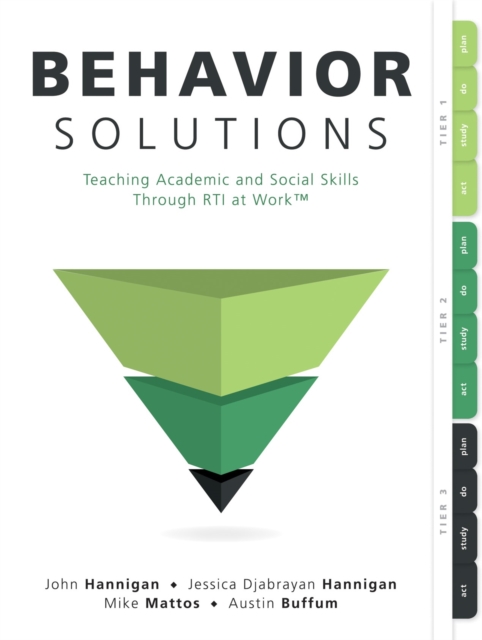
To fully prepare students for college, careers, and life, it is essential for educators to nurture students' behavioral skills along with their academic skills.
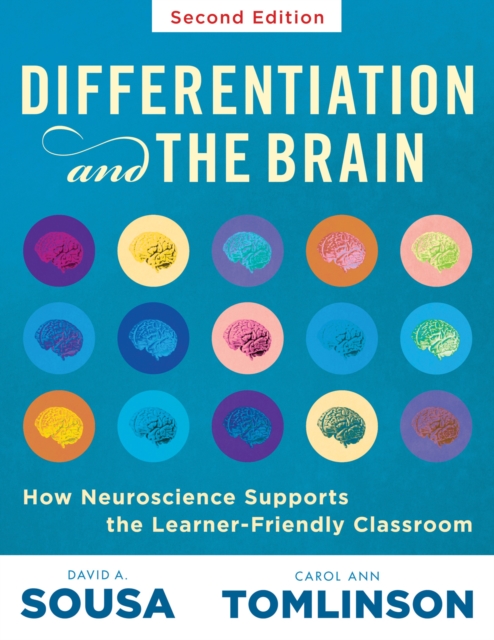
Students are becoming more academically and culturally diverse, making it more important than ever to shift away from a one-size-fits-all approach and toward differentiated instruction.
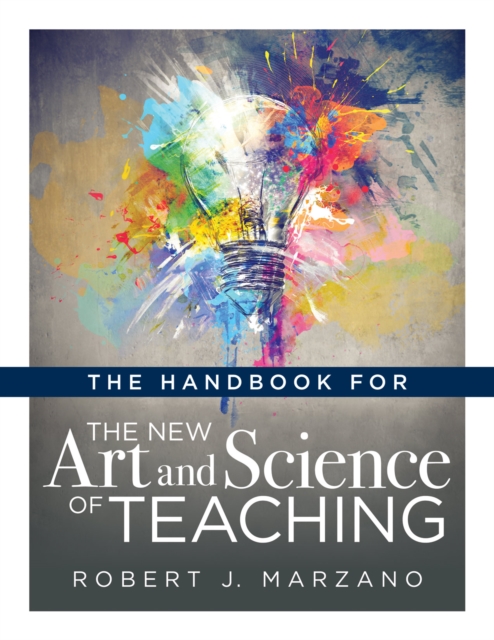
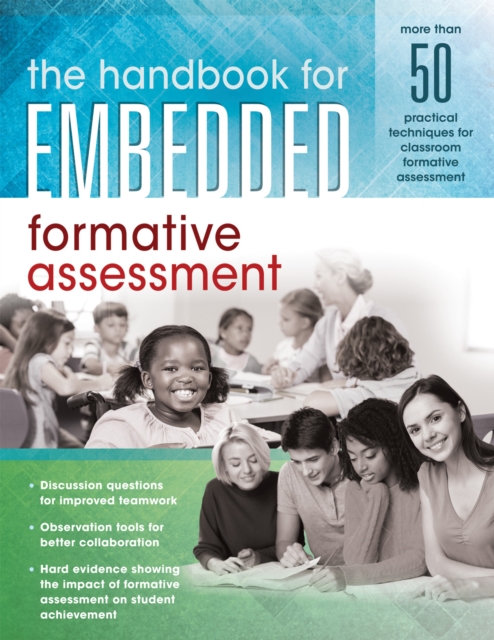
Developed as a companion to Embedded Formative Assessment, 2nd edition, this handbook guides K-12 teachers through the process of developing effective formative assessments.
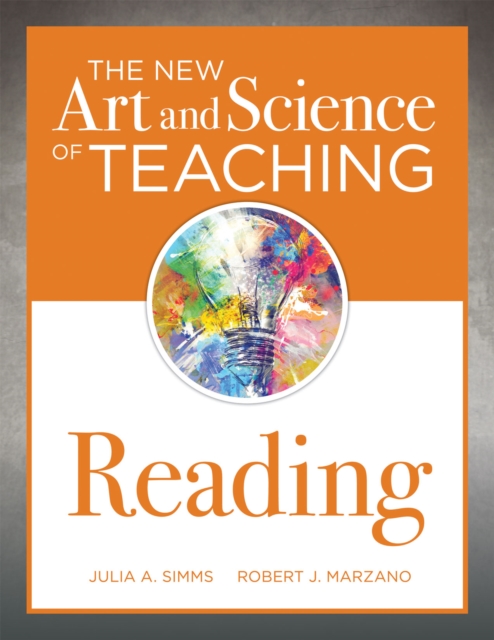
Part of The New Art and Science of Teaching seriesOnly when teachers have in-depth knowledge of reading skill and literacy development can they deliver best-practice reading assessment and instruction to students.
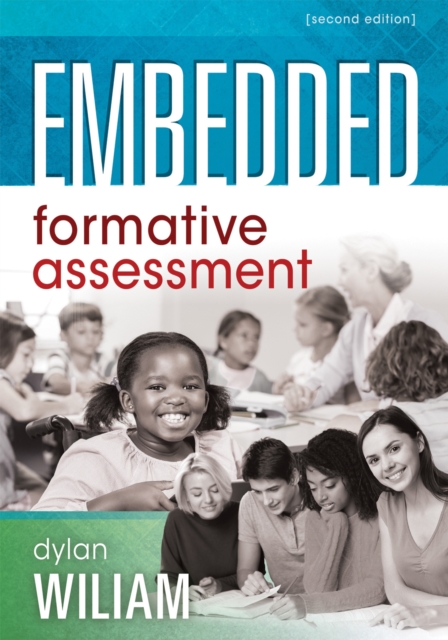
By integrating classroom formative assessment practices into daily activities, educators can substantially increase student engagement and the rate of student learning.
This title is a greatly expanded volume of the original Art and Science of Teaching, offering a competency-based education framework for substantive change based on Dr.
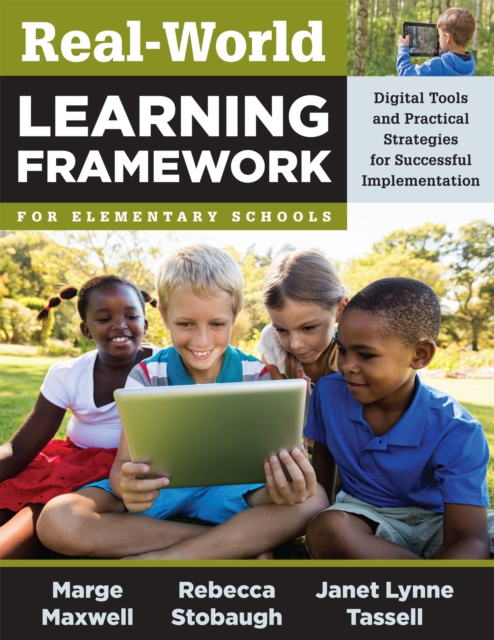
Creation in the real world is a disorganized process, and in order to foster authentic learning in the classroom, teachers must be flexible in planning and supporting learning experiences.
Although fun is sometimes seen as a barrier to real learning, joy is a vital part of effective education and motivates students to connect with what they're learning.
Ascertain the school variables that can influence student motivation and enhance achievement, including absenteeism, early literacy education, and more.
When educators provide explicit instruction, guidance, and feedback to students and let them steer the dialogue, students develop essential critical-thinking, problem-solving, and self-directed learning skills.
Historically we have constructed our classrooms with the assumption that learning is a dry, staid affair best conducted in quiet tones and ruled by an unemotional consideration of the facts.
Historically we have constructed our classrooms with the assumption that learning is a dry, staid affair best conducted in quiet tones and ruled by an unemotional consideration of the facts.
Creating a positive classroom learning environment is a complex but necessary task if a teacher wants to cultivate a new, productive classroom culture.
With Foreword by Heidi Hayes JacobsIt's crucial for 21st century teachers and students to determine together what a student will learn and at what pace.
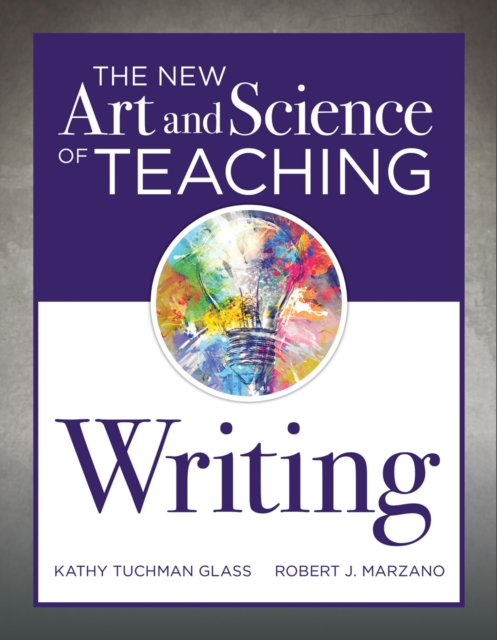
Writing plays a crucial part in all education disciplines, helping students to communicate their ideas to different audiences and extend their content knowledge.
This practical and easy-to-use resource addresses the need for strategies to effectively handle challenging students, and contains an ample supply of tips for handling a wide variety of challenging situations that virtually every educator will face.