Kierkegaard as Educator explores the multifaceted approach of Soren Kierkegaard's authorship, emphasizing his role as an indirect educator through his rich and varied literary styles.
This collection brings together perspectives from emerging and established scholars, working from empirical data from real-life classroom experiences, to investigate pedagogical issues in the application of EMI across a range of educational contexts in Asia.
The current practice of having children begin school within a twelve-month cohort is unfair but can be ameliorated by incorporating a dual-entry system.
As simulated learning experiences are increasingly used in healthcare education to enhance student engagement and experience, Clinical Simulation for Healthcare Professionals serves as a resource for the utility, design, and implementation of simulation-based education in occupational therapy, physical therapy, speech-language pathology, and nursing.
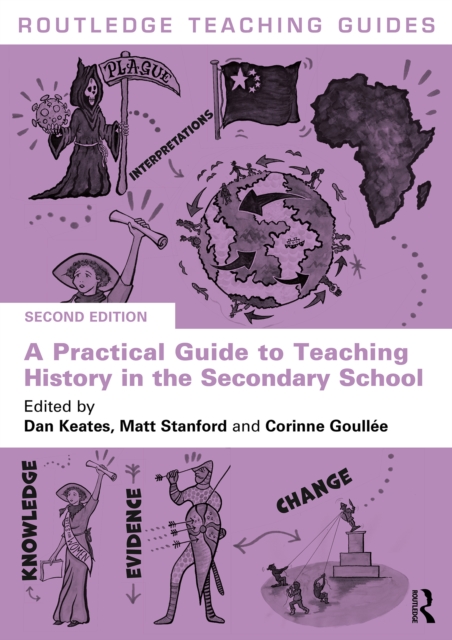
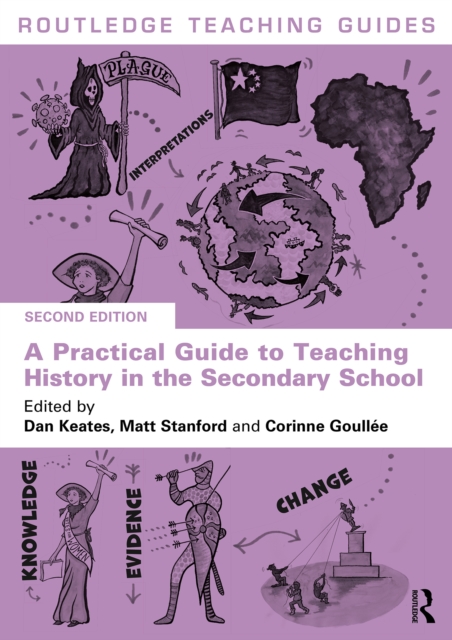
A Practical Guide to Teaching History in the Secondary School offers comprehensive advice, inspiration and a wide range of tried and tested approaches to help you find success in the secondary history classroom.
This fully updated edition of a classic text explores established approaches to teaching that are grounded in research and experience to ensure high levels of learning.
This truly accessible resource shows primary school practitioners how to help every student feel valued and included in school so that they develop confidence, resilience, love of learning, a positive sense of self and healthy relationships.
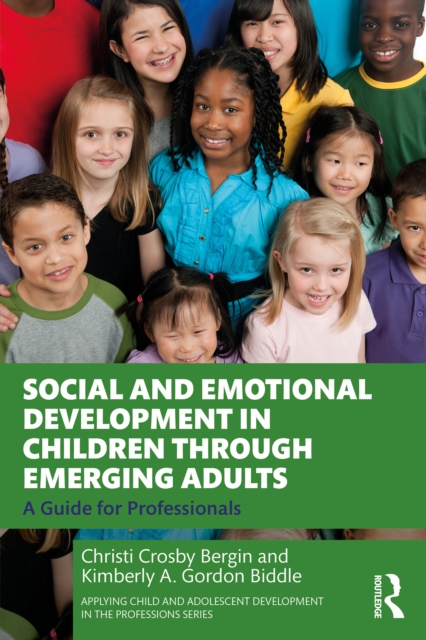
This concise guide offers an introduction to how children and young people develop social and emotional competence, and how they display appropriate social behavior and emotional expression at different ages.
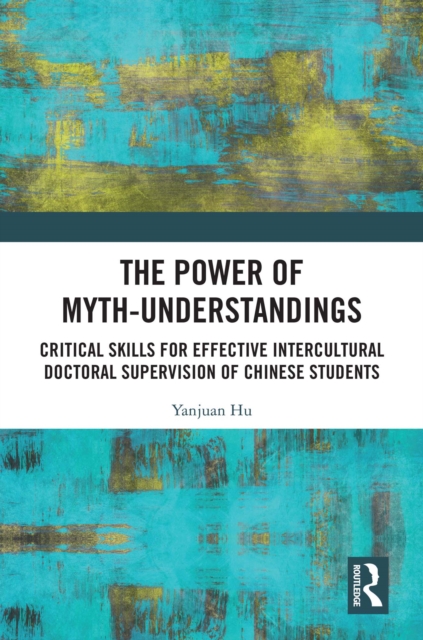
The book addresses the misunderstandings and implicit stereotypes that continue to arise in and influence the intercultural encounters of staff and international doctoral students.
The book addresses the misunderstandings and implicit stereotypes that continue to arise in and influence the intercultural encounters of staff and international doctoral students.
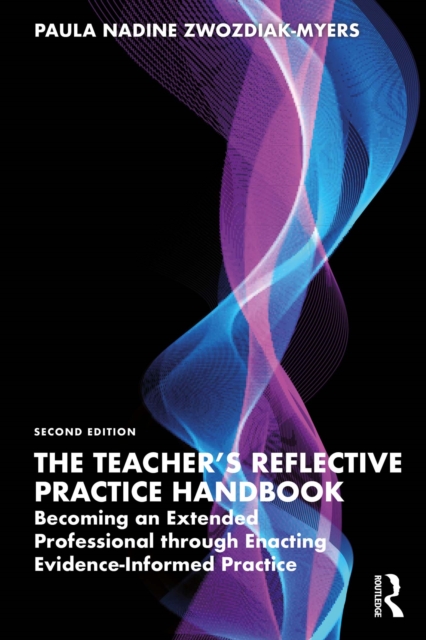
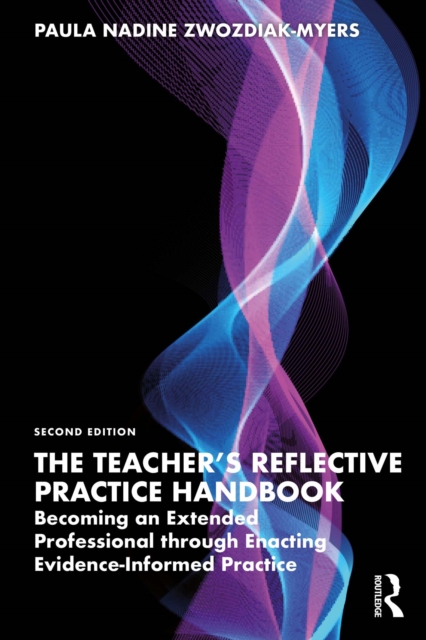
The Teacher's Reflective Practice Handbook is based on a multi-dimensional framework of reflective practice designed by the author to guide and support student, early career and experienced teachers to develop high-quality teaching and maximise pupil learning.
This concise guide offers an introduction to how children and young people develop social and emotional competence, and how they display appropriate social behavior and emotional expression at different ages.
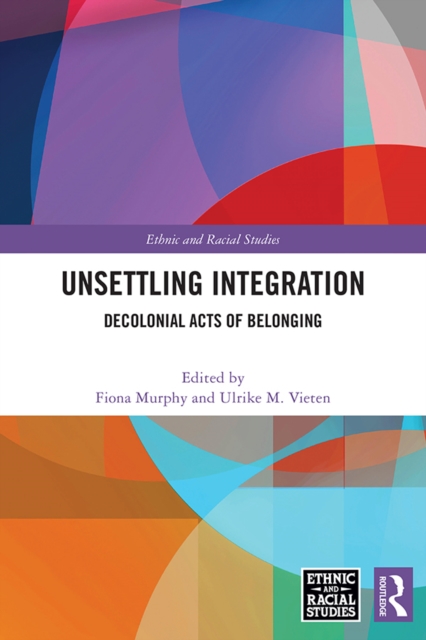
This book critically examines the concept of refugee integration, challenging its colonial underpinnings and structural asymmetries while exploring alternative possibilities for inclusion.
This book connects evidence-based approaches with project-based learning so that you can help your students develop their literacy skills in engaging and authentic ways.
The Teacher's Reflective Practice Handbook is based on a multi-dimensional framework of reflective practice designed by the author to guide and support student, early career and experienced teachers to develop high-quality teaching and maximise pupil learning.
This book examines the role and future of universities in times of chronic disruption and crisis - presented via an original conceptual framework which the authors term 'Dislocated Complexity' - and discusses how to move forward in the face of severely disrupted social, political, economic and environment contexts.
Navigating the Impossible in Online Learning Design explores a range of innovative practices and opportunities for rethinking teaching and assessment in online higher education.
The current practice of having children begin school within a twelve-month cohort is unfair but can be ameliorated by incorporating a dual-entry system.
This book offers a game plan for developing faculty expertise in student success pedagogies across disciplines through hundreds of supported faculty learning communities (FLC).
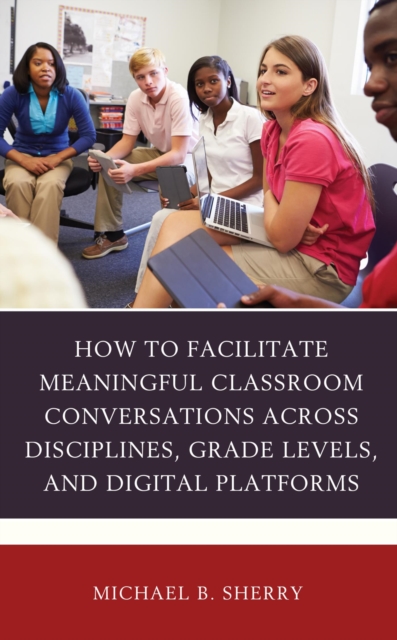
How can teachers facilitate meaningful classroom conversations in which students engage in shared inquiry, building on what others have written or said (even to disagree)?
In the Fourth Edition of this foundational volume, the editors and chapter contributors explore how diverse and underserved populations of higher education students experience college differently and encounter group-specific barriers to success.
How can teachers facilitate meaningful classroom conversations in which students engage in shared inquiry, building on what others have written or said (even to disagree)?
This book can help you incorporate critical literacy pedagogy into your high school English Language Arts (ELA) classroom, so that your students can use what they study in class to work toward making a more just and equitable world.
This book can help you incorporate critical literacy pedagogy into your high school English Language Arts (ELA) classroom, so that your students can use what they study in class to work toward making a more just and equitable world.
Magic in the Middle is your ultimate guide to creating a classroom filled with curiosity, collaboration, and creativity for gifted middle school learners!
Magic in the Middle is your ultimate guide to creating a classroom filled with curiosity, collaboration, and creativity for gifted middle school learners!
This book critically examines the concept of refugee integration, challenging its colonial underpinnings and structural asymmetries while exploring alternative possibilities for inclusion.
As teacher shortages reach a global crisis point, this book explores how time poverty has become a critical factor in the working lives of teachers and school leaders.
A Practical Guide to Teaching History in the Secondary School offers comprehensive advice, inspiration and a wide range of tried and tested approaches to help you find success in the secondary history classroom.