This volume explores emergent practices in higher education pedagogy that use the arts, new materialisms, posthumanisms, and radical pedagogies to intra-actively reconfigure approaches to transdisciplinary learning and teaching.
Building on the latest research in developmental neuroscience, this book provides an evidence-based, accessible and practical roadmap for those looking for more effective ways to support primary school pupils' mental health and wellbeing.
Despite widespread calls for evidence-based improvement in education, until recently, little has been known about using research and other types of evidence to inform teaching and learning of young children, particularly in early childhood education and care settings, and the first years of formal schooling.
This transformative guide empowers educators to create a compassionate and nurturing environment for students impacted by trauma, presenting teachers with the knowledge and practical strategies to support their students' emotional well-being and academic success.
Family and Community Partnerships: Promising Practices for Teachers and Teacher Educators, offers a fresh new look at the competencies, strategies, and practices that effective educators develop to build strong partnerships with families and communities.
School leadership instability is particularly problematic for scholars and practitioners concerned with PK-12 school improvement, as second only to teachers, campus leadership has been identified as a primary factor in students' academic success (Young et al.
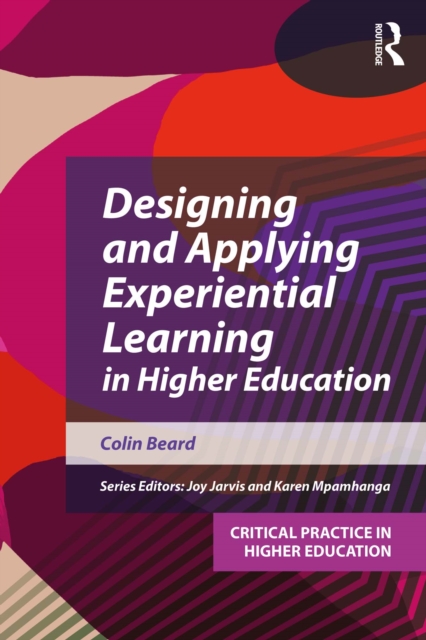
This insightful text is aimed specifically at educationalists and Higher Education lecturers who wish to adopt a more balanced, holistic, and inclusive approach to designing learning experiences.
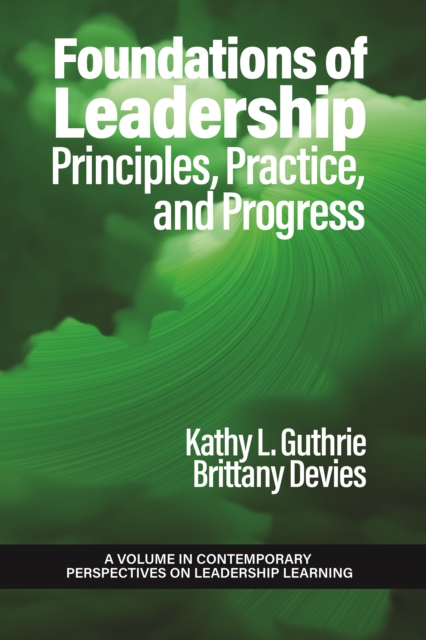
Foundations of Leadership explores the foundations of leadership by confronting common assumptions and provides language for engaging in the leadership process as a leader and a follower.
Foundations of Leadership explores the foundations of leadership by confronting common assumptions and provides language for engaging in the leadership process as a leader and a follower.
Much of the literature has relied on others commenting on the work of educational leaders, rather than the voice of the leaders driving the commentary.
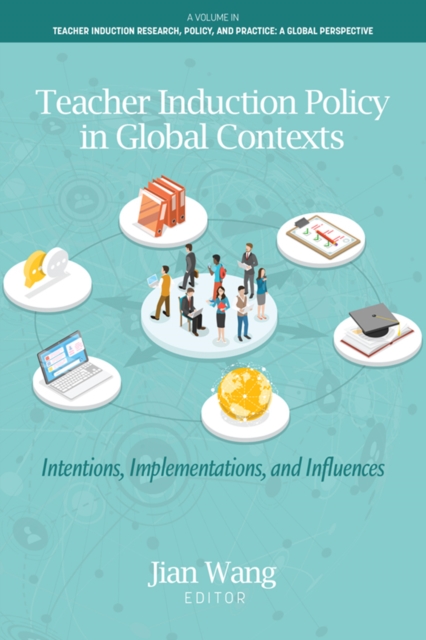
Teacher induction is becoming increasingly important focus of education policy developed to help beginning teachers develop professionally and stay in teaching work force as a way to meet the needs of global economy and social transformation for teaching quality and student learning in many countries.
Teaching and learning through Hollywood, or commercial, film and television productions is anything but a new approach and has been something of a mainstay in the classroom for nearly a century.
This volume covers topics including: A New Theoretical Framework for Education, University Curriculum Reforms and Curriculum and Teaching in an Age of School Reform
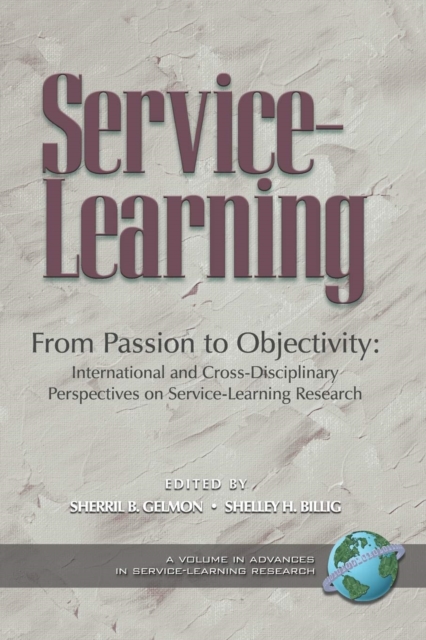
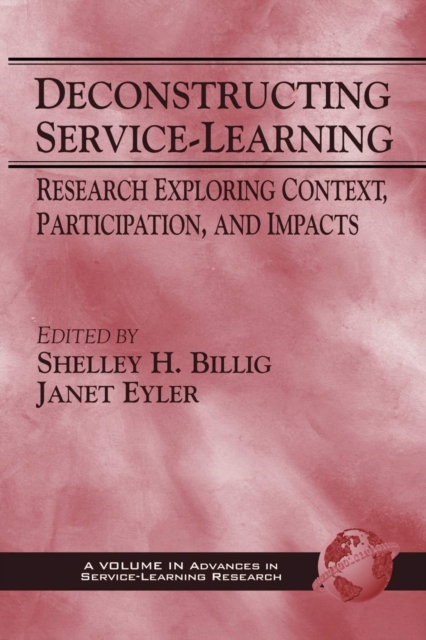
This volume is the seventh in the Advances in Service-Learning Research series, and presents a collection of papers selected from those presented at the Sixth International Service-learning Research, hosted by Portland State University in Portland, Oregon in October 2006.
This book is a valuable one for teacher educators and teacher education programs in the United States and Europe, since it is organized around numerous data sources.
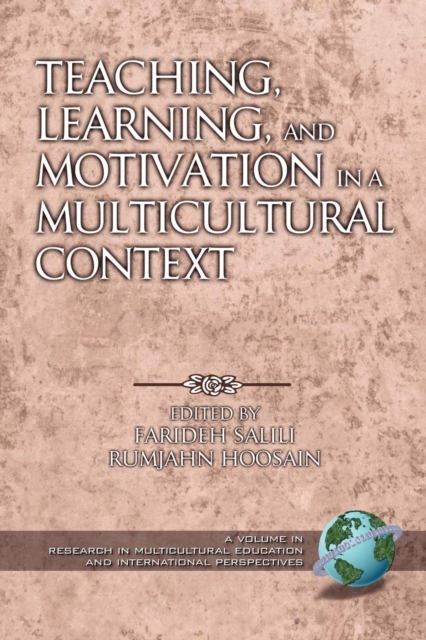
The volume 3 of this series is designed to present educators with current research and emerging issues in teaching, learning and motivation in a multicultural context.
This volume on teaching small classes is divided into the sections: lessons learned about best teaching practices in small classes; implementing and supporting small class programmes; evaluating small class initiatives; and teachers voices.
The field of education generally, and teacher education particularly, is experiencing some general disquiet with traditional approaches to the identification and classification of knowledge.
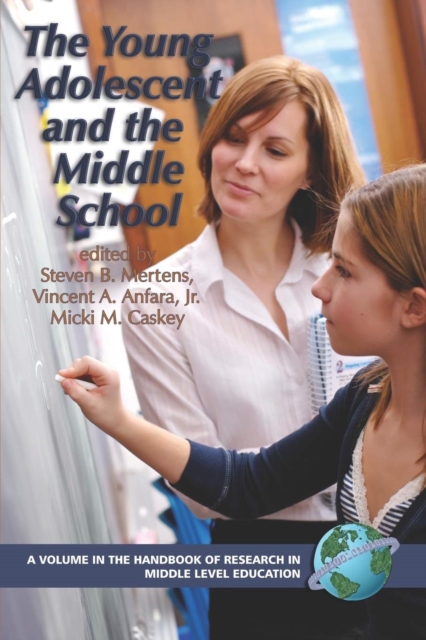
(Sponsored by the Middle Level Education Research SIG and the National Middle School Association)The Young Adolescent and the Middle School focuses on issues related to the nature of young adolescence and the intersection of young adolescence with middle level schooling.
This volume covers topics including: A New Theoretical Framework for Education, University Curriculum Reforms and Curriculum and Teaching in an Age of School Reform
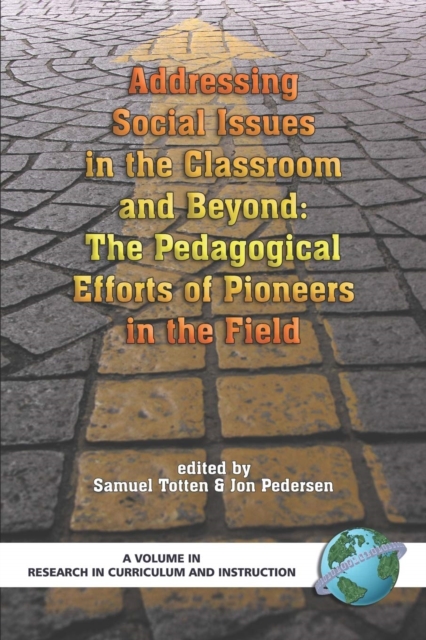
Addressing Social Issues in the Classroom and Beyond: The Pedagogical Efforts of Pioneers in the Field is comprised of essays that delineate the genesis and evolution of the thought and work of pioneers in the field of social issues and education.
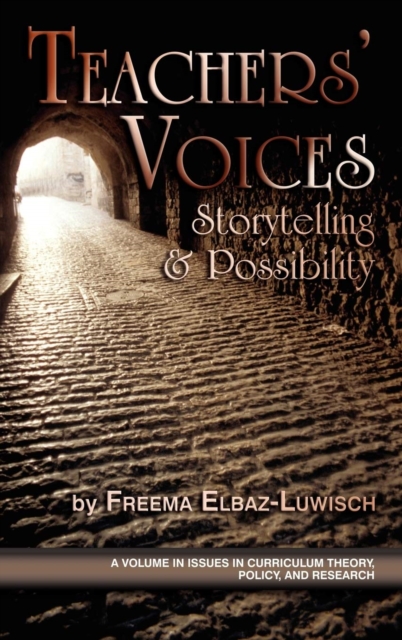
This book draws on ideas about the nature of teaching and teacher knowledge, teacher development and school reform, and narrative as methodology for understanding the lives and work of teachers.
In response to the limitations associated with teaching through film, we sought to develop practical lesson ideas that might bridge gaps between theory and practice and assist teachers endeavoring to make effective use of film in their classrooms.
In response to the limitations associated with teaching through film, we sought to develop practical lesson ideas that might bridge gaps between theory and practice and assist teachers endeavoring to make effective use of film in their classrooms.
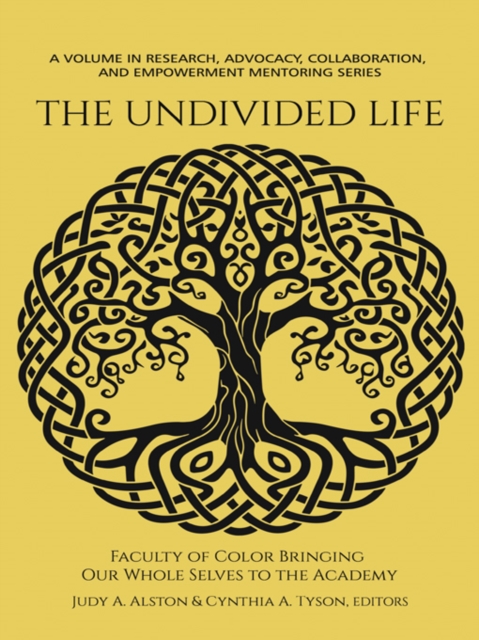
Much of the research and writing on faculty of color and persistence in the Academy speaks to mentoring, recruitment, retention, job satisfaction, and the Imposter Syndrome.
Much of the research and writing on faculty of color and persistence in the Academy speaks to mentoring, recruitment, retention, job satisfaction, and the Imposter Syndrome.
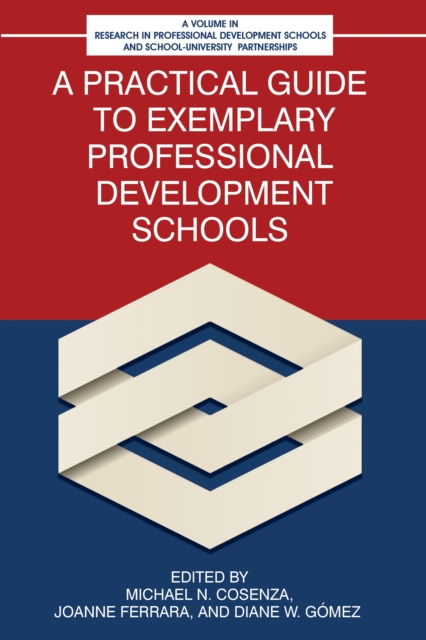
Professional Development Schools are complex and comprehensive school university partnerships focusing on professional development of new teachers and veteran teachers while providing high quality education to P-12 students.
Professional Development Schools are complex and comprehensive school university partnerships focusing on professional development of new teachers and veteran teachers while providing high quality education to P-12 students.