While workers movements have been largely phased out and considered out-dated in most parts of the world during the 1990s, the 21st century has seen a surge in new and unprecedented forms of strikes and workers organisations.
Media and research tend to focus on social problems in today's world - from terrorism and natural disasters to environmental degradation, conflict and economic decline.
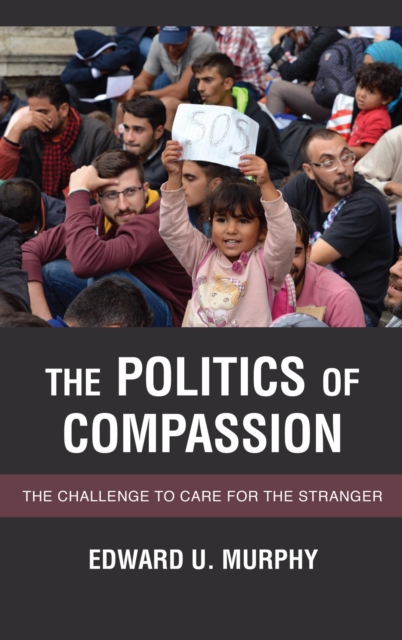
The Politics of Compassion explores the manifold obstacles that hinder our individual and collective capacity to care for the vulnerable, offering insights from history, religion, ethics, cognitive and social sciences, international relations, public policy, and contemporary politics.
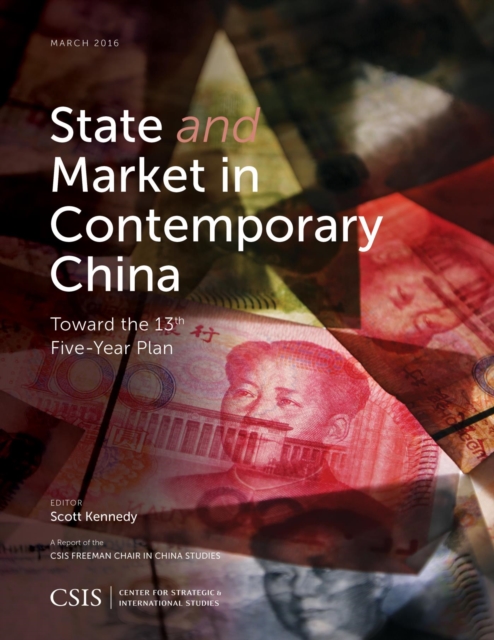
The short essays in this volume, contributed by leading experts on Chinese economic policy, provide crisp and insightful analyses of the Chinese state's approach toward markets, the role of key actors and institutions, the evolving nature of industrial policy and the effectiveness of China's international commitments to constrain such practices, and a preview of the likely contents and significance of China's 13th Five-Year Plan.
Henry George (1839-1897) rose to fame as a social reformer and economist amid the industrial and intellectual turbulence of the late nineteenth century.
China faces increasing economic headwinds that call into question not only its near-term growth outlook but the longer-term sustainability of its economic success.
The Youth, Prosperity, and Security Initiative at the Center for Strategic and International Studies (CSIS), in partnership with the International Youth Foundation (IYF), has developed a groundbreaking Global Youth Wellbeing Index, to elevate distinct young people's issues and comparative status from within national and population-wide measures of national poverty, development, and wellbeing.
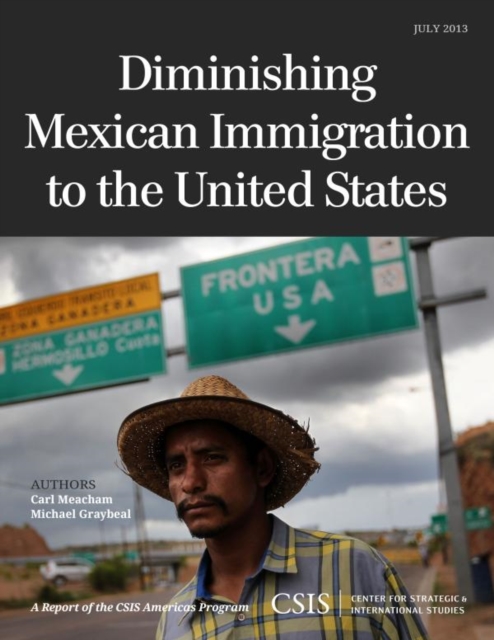
This report examines the fundamental link between Mexico's economic performance and migration to the United States, with a particular focus on the post-NAFTA time period.
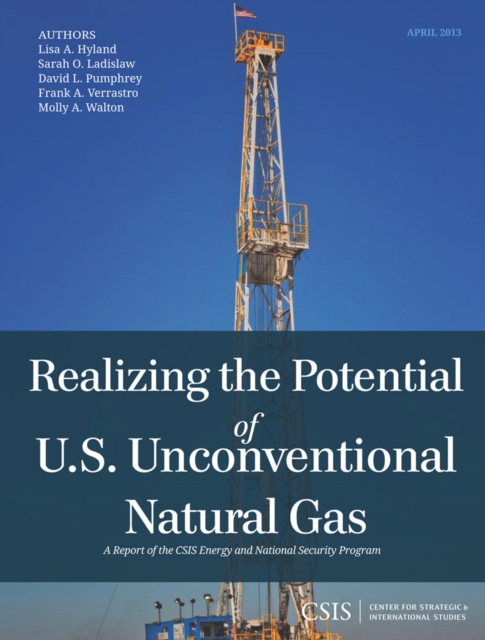
The ability to access and economically develop vast amounts of America's unconventional natural gas resources, especially large shale gas formations, has altered our national view on energy and has subsequently changed the discourse at the federal, state, and local levels.
Heart of the Nation traces America's volunteer tradition-the golden thread of American democracy-and how Presidents from Washington to Obama have called on citizens to serve neighbor and nation.
Multiculturalism-the belief that no culture is better or worse than any other; it is merely different-has come to dominate Western intellectual thought and to serve as a guide to domestic and foreign policy and development aid.
For over a century, American have created laws, processes, objectives, priorities, and rules for federal land management that often conflict, contradict, and undermine each other.
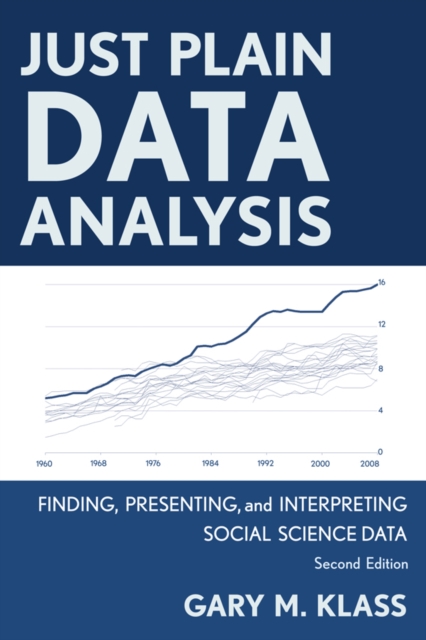
Just Plain Data Analysis teaches students statistical literacy skills that they can use to evaluate and construct arguments about public affairs issues grounded in numerical evidence.
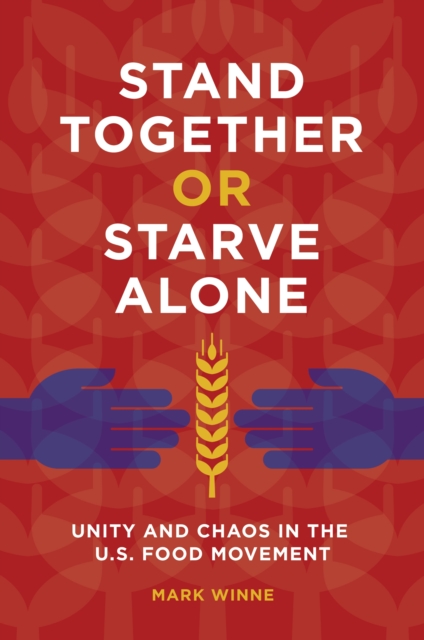
The United States-one of the world's wealthiest and resource-richest nations-has multiple food-related problems: declining food quality due to industrialization of its production, obesity across all age groups, and a surprisingly large number of households suffering from food insecurity.
Focusing on how rape, sexual assault, and harassment relate to underrepresentation of women in public authority, this book provides an insightful exploration of the policy context that impedes women's advancement to positions of power.
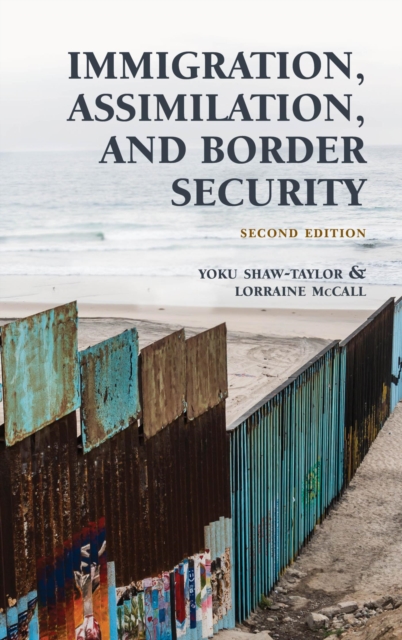
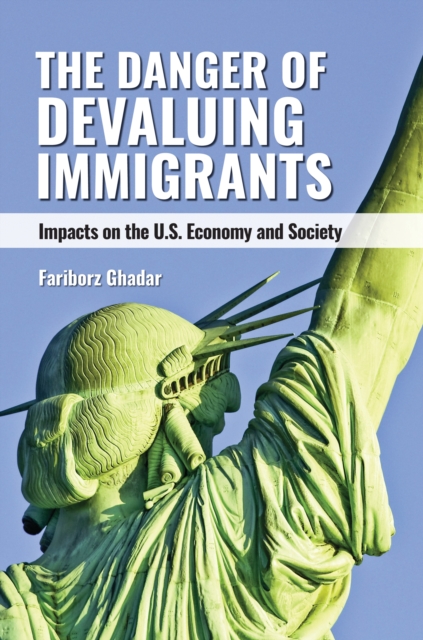
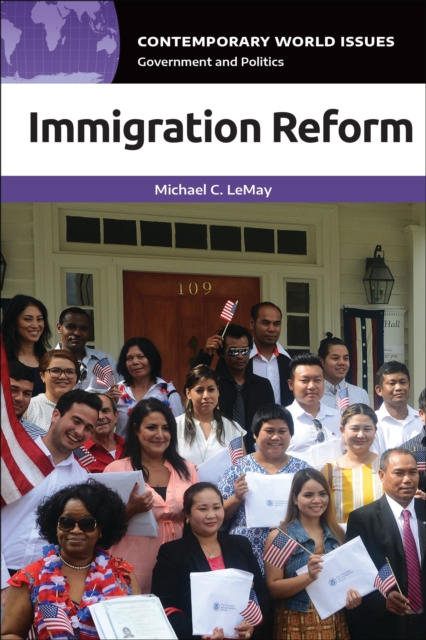
Despite deep divisions on the issue of immigration, this book shows that immigration promotes economic innovation, expands the job market, and contributes to diversity and creativity in the United States.
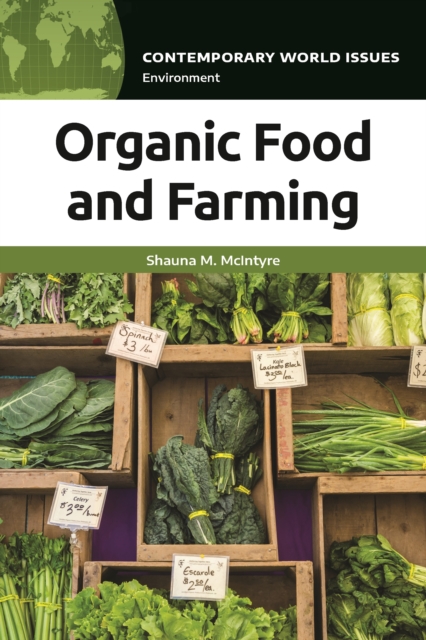
Organic Food and Farming: A Reference Handbook is a valuable resource for students and general readers curious about the history, evolution, and growth of the organic food movement.
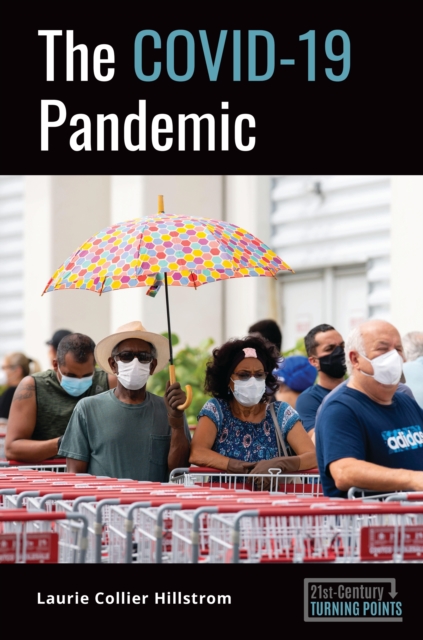
Highlighting American cultural and political contexts, this book provides an in-depth assessment of the breadth and magnitude of the United States' errors in its response to the COVID-19 pandemic.
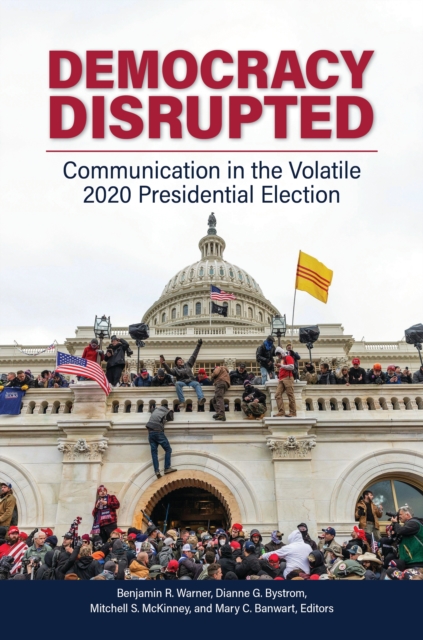
Leading scholars analyze three disruptions in the 2020 presidential campaign and election: disruptions to the status quo caused by the renewed quest for racial justice and greater diversity of candidates, pandemic disruptions to traditional campaigning, and disruptions to democratic norms.
This authoritative work provides a thorough overview of the COVID-19 pandemic that swept the globe in 2020, devoting particular attention to its impact on all aspects of American society.
Critical examinations of efforts to make governments more efficient and responsivePolitical upheavals and civil wars in the Middle East and North Africa (MENA) have obscured efforts by many countries in the region to reform their public sectors.
While the immediate dangers from the recent financial crisis have abated much of the financial system has returned to profitability and the economy is growing, albeit slowly the damage to the economy will linger for years.
This title undertakes an impartial, authoritative, and in-depth examination of the moral arguments and ideas behind the laws and policies that govern personal, corporate, and government behavior in the United States.
A comprehensive guide to the lives and experiences of military service members, veterans, and their families in the United States today, with special emphasis given to those of the post-9/11 era.
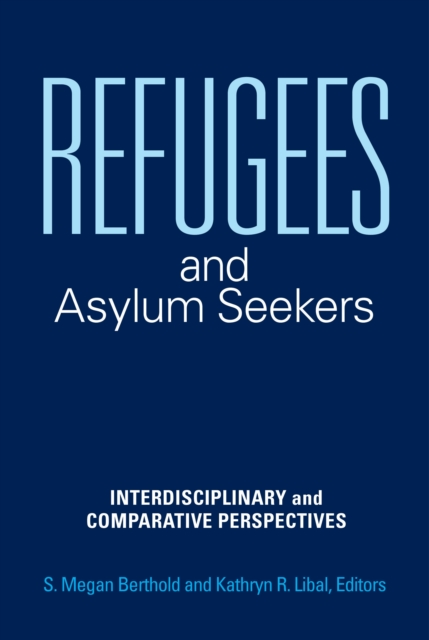
This volume engages human rights, domestic immigration law, refugee policy in the United States, Canada, and Europe, and scholarship to examine forced migration, refugee resettlement, asylum seeker experiences, policies and programs for refugee well-being in North America and Europe.
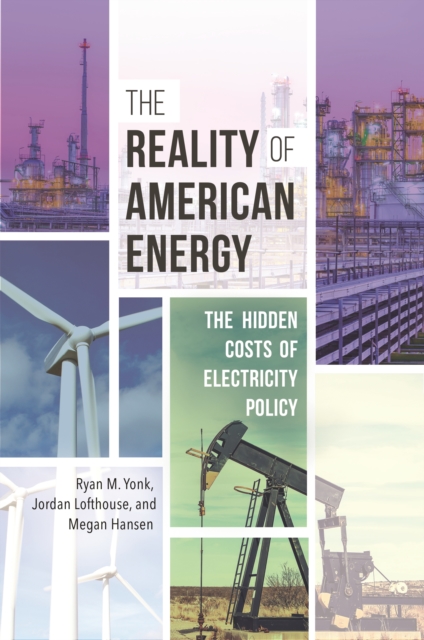
This book dispels common myths about electricity and electricity policy and reveals how government policies manipulate energy markets, create hidden costs, and may inflict a net harm on the American people and the environment.
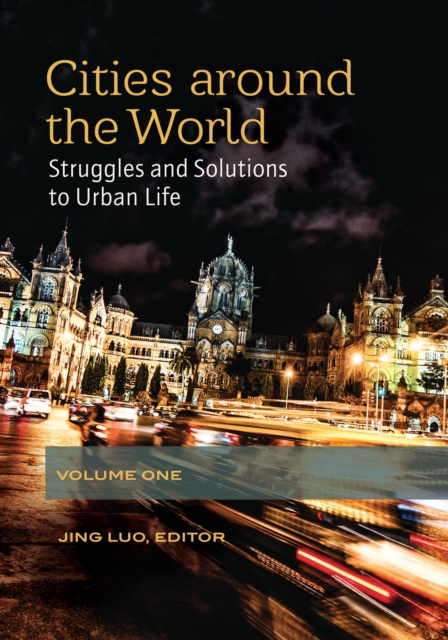
This two-volume set offers a comprehensive overview of major challenges faced by cities worldwide in the 21st century, and how cities in different geographic, economic, and political conditions are finding solutions to them.
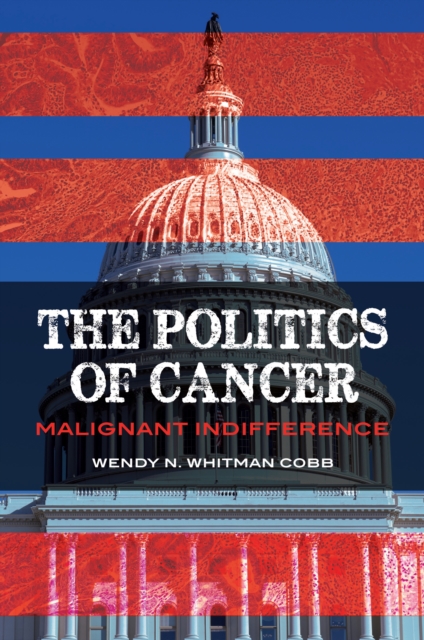
This book examines the politics of cancer, explains how our government is intrinsically tied to cancer research efforts, and documents how major political actors make cancer policy and are influenced in their decision making by political, social, scientific, and economic variables.