Gun Violence In American Society: Crime, Justice, and Public Policy provides an in-depth, multidisciplinary investigation into one of society's major social, public health and political concerns-death, injury, and destruction from the use of firearms.
Since the 1980s, the language used around market-based government has muddied its meaning and polarized its proponents and critics, making the topic politicized and controversial.
In recent years, political discourse about gun control and the Second Amendment has become increasingly volatile and this collection of original essays by top scholars illuminates the various reasons why.
The first decade of the 21st century has witnessed the decline of multiculturalism as a policy in Western countries with tighter national border controls and increasing anti-migration discourse.
Using Toronto as a case study, Subdivided asks how cities would function if decision-makers genuinely accounted for race, ethnicity, and class when confronting issues such as housing, policing, labor markets, and public space.
Austerity as Public Mood explores how politicians and the media mobilise nostalgic and socially conservative ideas of work and community in order to justify cuts to public services and create divisions between the deserving and undeserving.
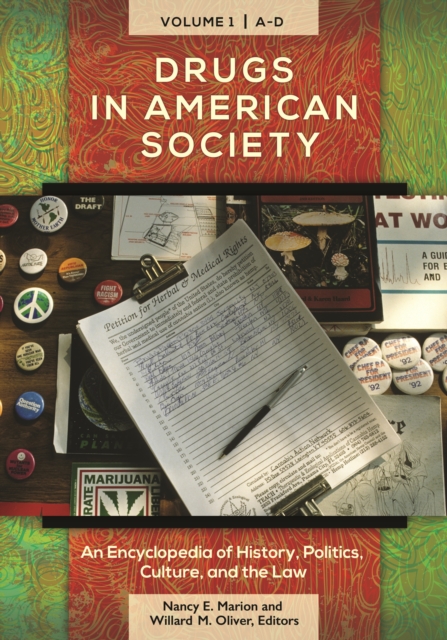
Containing more than 450 entries, this easy-to-read encyclopedia provides concise information about the history of and recent trends in drug use and drug abuse in the United States-a societal problem with an estimated cost of $559 billion a year.
The first decade of the 21st century has witnessed the decline of multiculturalism as a policy in Western countries with tighter national border controls and increasing anti-migration discourse.
Austerity as Public Mood explores how politicians and the media mobilise nostalgic and socially conservative ideas of work and community in order to justify cuts to public services and create divisions between the deserving and undeserving.
Using Toronto as a case study, Subdivided asks how cities would function if decision-makers genuinely accounted for race, ethnicity, and class when confronting issues such as housing, policing, labor markets, and public space.
From the award-winning journalist and best-selling author of America''s Bitter Pill: a tour de force examination of 1) how and why major American institutions no longer serve us as they should, causing a deep rift between the vulnerable majority and the protected few, and 2) how some individuals and organizations are laying the foundation for real, lasting change.
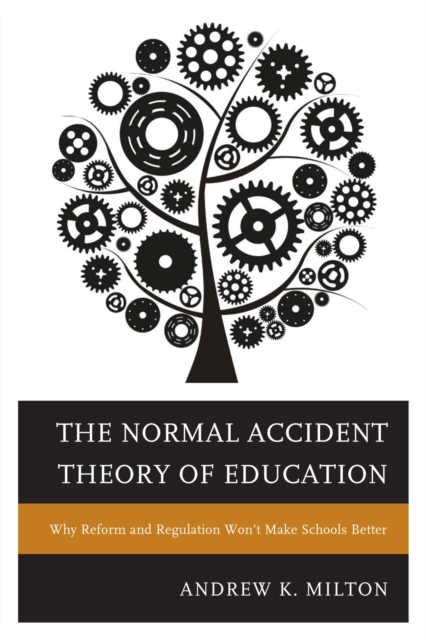
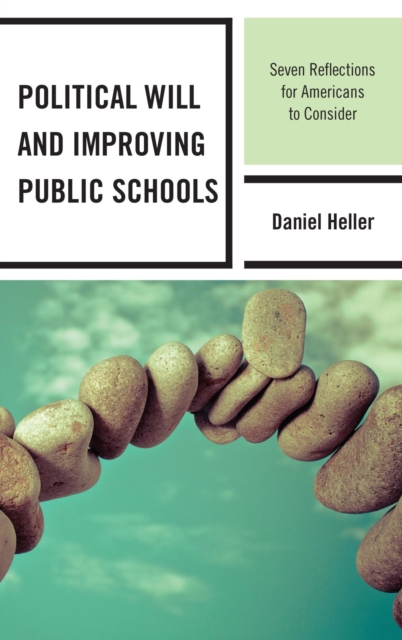
Public schools have been placed in a straitjacket over the past 30 years through over-regulation as a result of the growing power of the federal government over public education, expanding court decisions, state government legislation, school board policies and procedures, and the media's influence on public opinion.
Much of the current debate about education too often resembles the blind men describing an elephant--apprehending only a particular part of the situation or the process, many analysts tell an evocative but incomplete story.
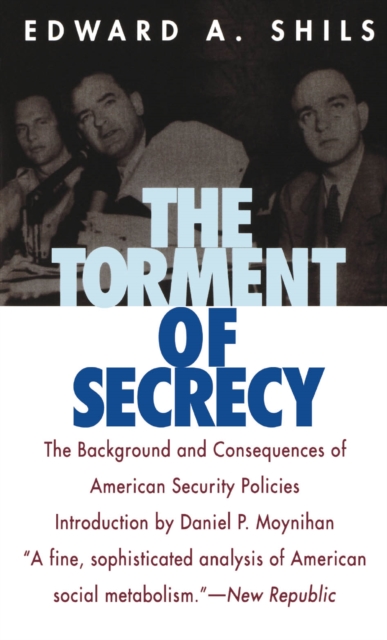
Edward Shils's The Torment of Secrecy is one of the few minor classics to emerge from the cold war years of anticommunism and McCarthyism in the United States.
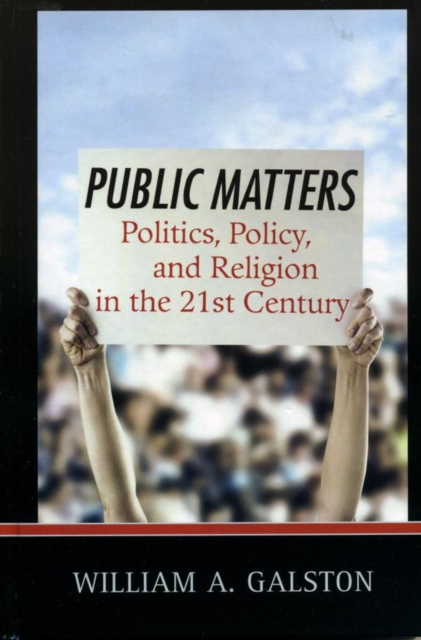
After preparing to lead a quiet life as a teacher and scholar of political theory, William Galston has spent the past quarter century crossing the boundaries between academia and public life, including a two-year stint as Deputy Assistant for Domestic Policy under President Clinton.
In contemporary media cultures, media are part of the most important sites where collectiverepresentations and narrations of a post-migrant civic culture are (re-)negotiated.
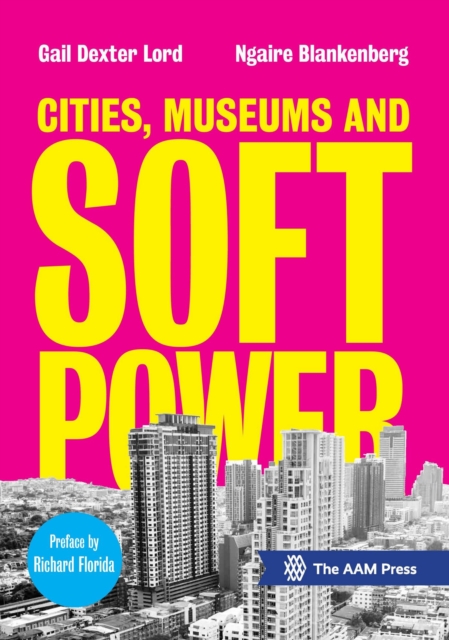
Museum planners Gail Lord and Ngaire Blankenberg demonstrate how museums and cities are using their soft power to address some of the most important issues of our time.
In a world where the human experience is increasingly overshadowed by diversity and danger and which is currently confronting the twin challenges of a global recession and pandemic, this book provides an insight into the fundamental idea of public value which represents the 'humanisation' of public policy and practice.
This book explores contemporary migration by boat through the intertwined, and under-explored, elements of empirical data, governance and geopolitics, and discourses.
The relative effectiveness of various institutions, such as the market or government, is based on the ability for individuals to access and use dispersed knowledge in society and the incentives that steer their actions.