This book shows that Taiwan, unlike other countries, avoided serious economic disruption and social conflict, and arrived at its goal of multi-party competition with little blood shed.
This book shows that Taiwan, unlike other countries, avoided serious economic disruption and social conflict, and arrived at its goal of multi-party competition with little blood shed.
]IGovernance in the Asia-Pacific is a student-friendly textbook which examines the governance of nation states in this diverse and rapidly-changing region.
]IGovernance in the Asia-Pacific is a student-friendly textbook which examines the governance of nation states in this diverse and rapidly-changing region.
Europeanization of Judicial Review argues that the higher complexity of the political framework in which laws are made today leads to less well-designed laws and loop-holes, allowing politicians to leave decisions to the courts.
Europeanization of Judicial Review argues that the higher complexity of the political framework in which laws are made today leads to less well-designed laws and loop-holes, allowing politicians to leave decisions to the courts.
Privatizing the Land provides an overview of reforms in the state socialist agrarian systems, especially during the 1970s and 1980s in Eastern Europe and the Soviet Union.
Privatizing the Land provides an overview of reforms in the state socialist agrarian systems, especially during the 1970s and 1980s in Eastern Europe and the Soviet Union.
This is the first major European political science book to discuss the growing interdisciplinary field of 'cultural theory', proposing a coherent and viable alternative to mainstream political science.
This is the first major European political science book to discuss the growing interdisciplinary field of 'cultural theory', proposing a coherent and viable alternative to mainstream political science.
This book carves out a new area of democratisation studies by analysing the transnational dimension and the role of non state actors across three different geographical regions.
This book carves out a new area of democratisation studies by analysing the transnational dimension and the role of non state actors across three different geographical regions.
By developing a long-term supranational perspective, this ambitious, multi-faceted work provides a new understanding of 'totalitarianism', the troubling common element linking Soviet communism, Italian fascism and German Nazism.
By developing a long-term supranational perspective, this ambitious, multi-faceted work provides a new understanding of 'totalitarianism', the troubling common element linking Soviet communism, Italian fascism and German Nazism.
An important comparative study of Japanese politics that reveals that green issues have yet to displace the traditional urban politics of post-industrial Japan.
An important comparative study of Japanese politics that reveals that green issues have yet to displace the traditional urban politics of post-industrial Japan.
Working from the basis of Arend Lijphart's 1968 work on divided societies, the authors go on to look at such cultures and subcultures thirty years on, bringing in new evidence and analysis to bear on the issue.
Working from the basis of Arend Lijphart's 1968 work on divided societies, the authors go on to look at such cultures and subcultures thirty years on, bringing in new evidence and analysis to bear on the issue.
Political Parties in Post-Communist Eastern Europe is the first textbook to survey the course of party developments in eastern Europe as a whole in the post-Communist period.
Political Parties in Post-Communist Eastern Europe is the first textbook to survey the course of party developments in eastern Europe as a whole in the post-Communist period.
Drawing on a mixed research methodology with a strong qualitative character, this book traces the political impact of the British National Party in the UK, the Front National in France and the Lega Nord in Italy by exploring their contagion effects on immigration politics and policy in particular over the patterns of inter-party competition, public behaviour and policy developments.
Drawing on a mixed research methodology with a strong qualitative character, this book traces the political impact of the British National Party in the UK, the Front National in France and the Lega Nord in Italy by exploring their contagion effects on immigration politics and policy in particular over the patterns of inter-party competition, public behaviour and policy developments.
The 1970s witnessed a mushrooming of Islamic movements and ideas which was described variously as Islamic revival, Islamic resurgence and Islam on the march.
The 1970s witnessed a mushrooming of Islamic movements and ideas which was described variously as Islamic revival, Islamic resurgence and Islam on the march.
The partisan groups in parliament form the link between mass suffrage, parties and parliaments, and are generally accepted today as necessary instruments of parliamentary business.
The partisan groups in parliament form the link between mass suffrage, parties and parliaments, and are generally accepted today as necessary instruments of parliamentary business.
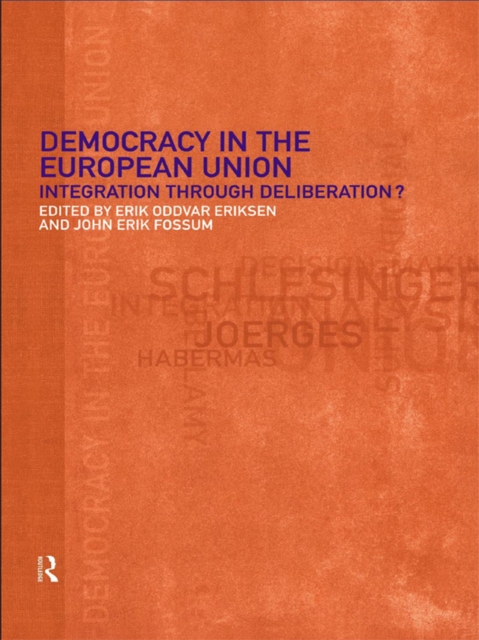
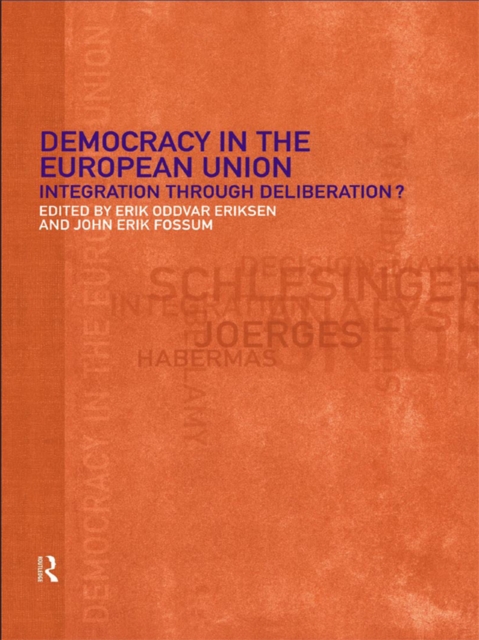
The European Union is widely held to suffer from a democratic deficit, and this raises a wider question: can democracy at all be applied to decision-making bodies beyond the nation state?
The European Union is widely held to suffer from a democratic deficit, and this raises a wider question: can democracy at all be applied to decision-making bodies beyond the nation state?
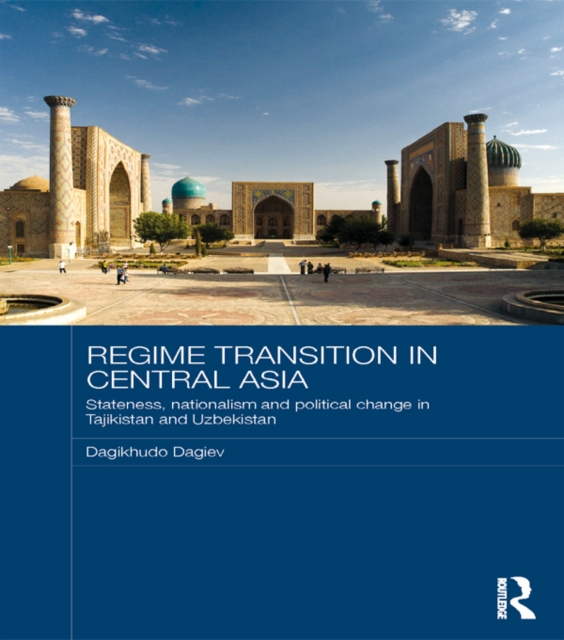
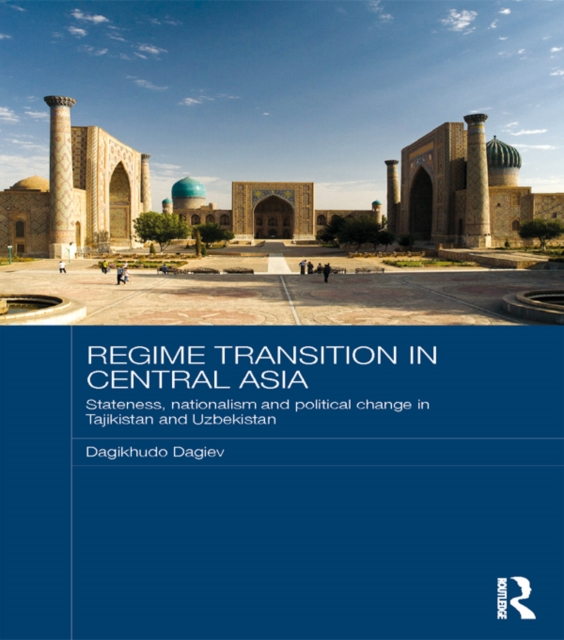
Presenting a study of regime transition, political transformation, and the challenges that faced the post-Communist republics of Central Asia on independence, this book focuses on the process of transition in Tajikistan and Uzbekistan, and the obstacles that these newly-independent states are facing in the post-Communist period.
Presenting a study of regime transition, political transformation, and the challenges that faced the post-Communist republics of Central Asia on independence, this book focuses on the process of transition in Tajikistan and Uzbekistan, and the obstacles that these newly-independent states are facing in the post-Communist period.