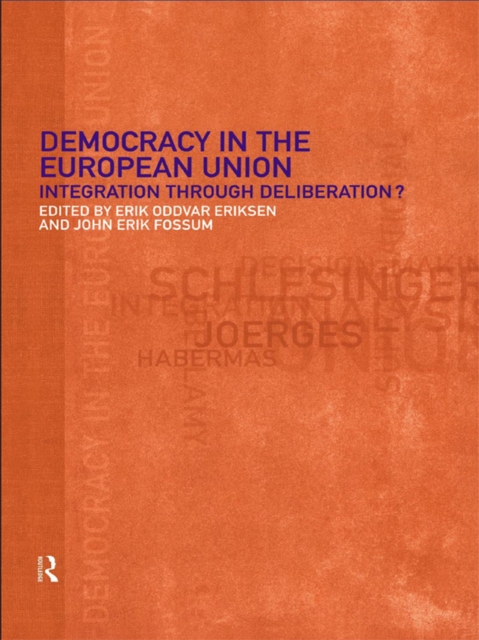
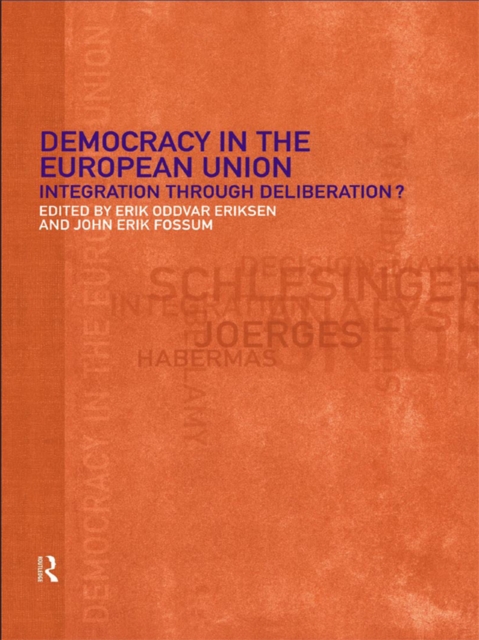
The European Union is widely held to suffer from a democratic deficit, and this raises a wider question: can democracy at all be applied to decision-making bodies beyond the nation state?
The European Union is widely held to suffer from a democratic deficit, and this raises a wider question: can democracy at all be applied to decision-making bodies beyond the nation state?
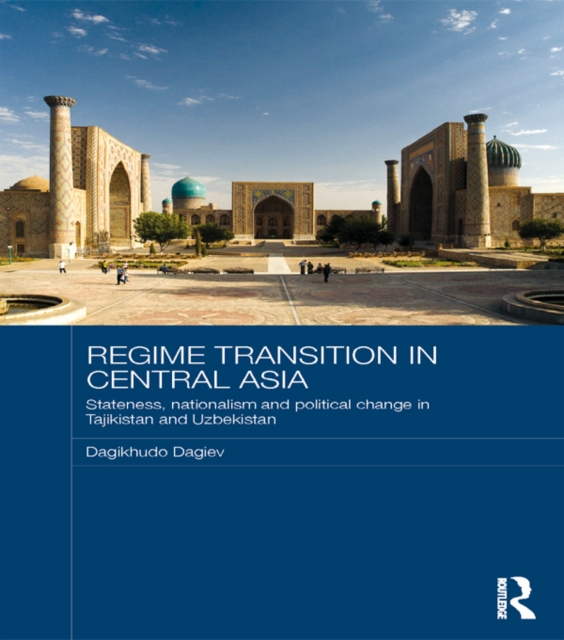
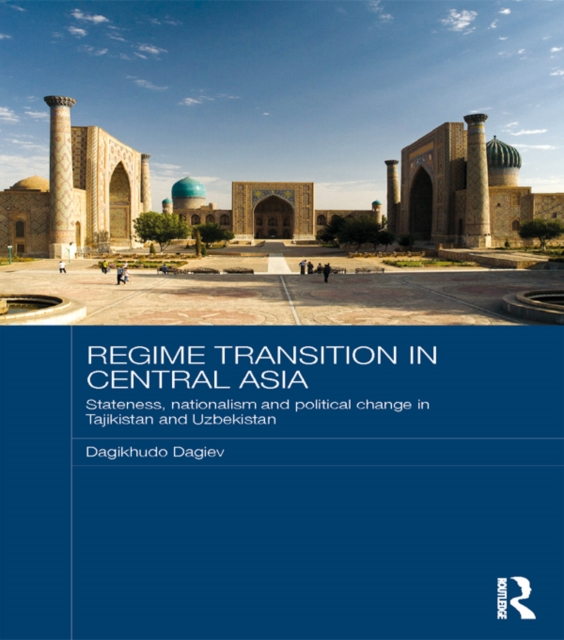
Presenting a study of regime transition, political transformation, and the challenges that faced the post-Communist republics of Central Asia on independence, this book focuses on the process of transition in Tajikistan and Uzbekistan, and the obstacles that these newly-independent states are facing in the post-Communist period.
Presenting a study of regime transition, political transformation, and the challenges that faced the post-Communist republics of Central Asia on independence, this book focuses on the process of transition in Tajikistan and Uzbekistan, and the obstacles that these newly-independent states are facing in the post-Communist period.
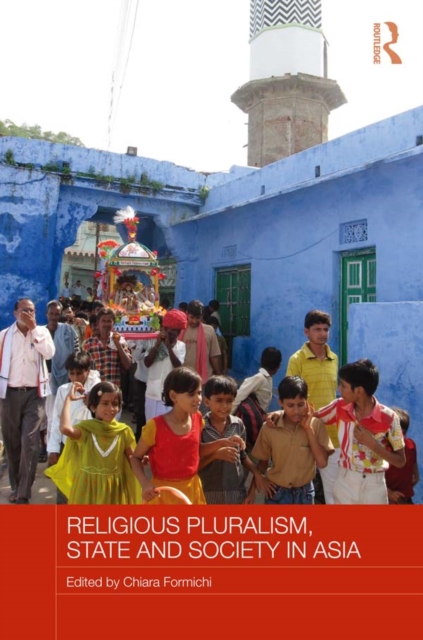
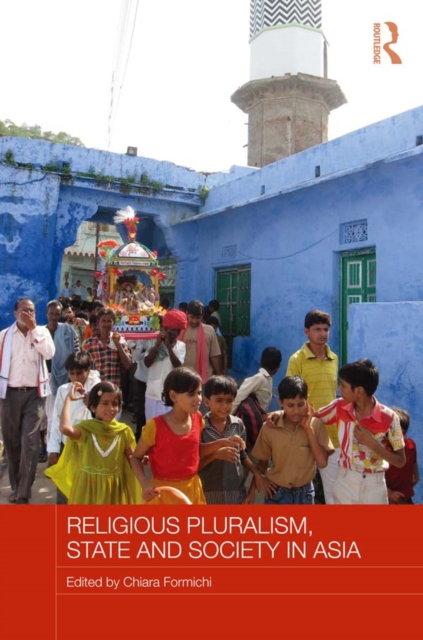
Taking a critical approach to the concept of 'religious pluralism', this book examines the dynamics of religious co-existence in Asia as they are directly addressed by governments, or indirectly managed by groups and individuals.
Taking a critical approach to the concept of 'religious pluralism', this book examines the dynamics of religious co-existence in Asia as they are directly addressed by governments, or indirectly managed by groups and individuals.
This timely book updates, and takes stock of, Lipset and Rokkan's classic work Party Systems and Voter Alignments: Cross-National Perspectives, an influential work since its publication in 1967.
This timely book updates, and takes stock of, Lipset and Rokkan's classic work Party Systems and Voter Alignments: Cross-National Perspectives, an influential work since its publication in 1967.
Using examples of media from a range of countries in Latin America, Europe, Asia and Africa including Uruguay, Poland, China, Indonesia, Jordan and Uganda, Media Reform considers the social and cultural implications of a free and independent media.
Using examples of media from a range of countries in Latin America, Europe, Asia and Africa including Uruguay, Poland, China, Indonesia, Jordan and Uganda, Media Reform considers the social and cultural implications of a free and independent media.
This is the first book to look at the process of European integration by drawing on both established and new trends in postmodern thinking and analysis.
This is the first book to look at the process of European integration by drawing on both established and new trends in postmodern thinking and analysis.
This book introduces radically alternative models of civil society that have been developed outside the liberal democratic frame of reference, models which suggest that civil society does offer new and non-statist democratic possibilities.
This book introduces radically alternative models of civil society that have been developed outside the liberal democratic frame of reference, models which suggest that civil society does offer new and non-statist democratic possibilities.
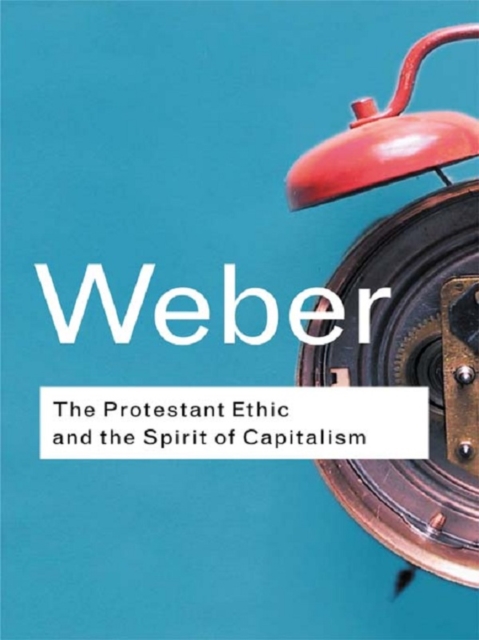
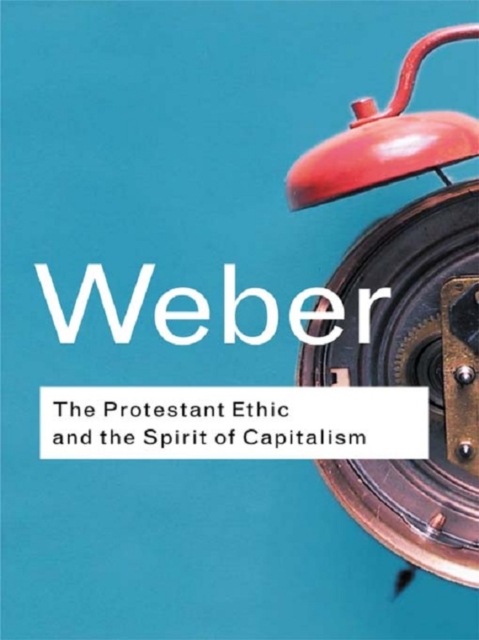
Max Weber's best-known and most controversial work, The Protestant Ethic and the Spirit of Capitalism, first published in 1904, remains to this day a powerful and fascinating read.
Max Weber's best-known and most controversial work, The Protestant Ethic and the Spirit of Capitalism, first published in 1904, remains to this day a powerful and fascinating read.
Though scholarly attention to democracy promotion is increasing, there is still little comparative and theoretically-based work on the protagonists of democracy promotion.
Though scholarly attention to democracy promotion is increasing, there is still little comparative and theoretically-based work on the protagonists of democracy promotion.
The concept of social capital has been used by political scientists to explain both the transition to democracy in Eastern Europe and the decline of social cohesion in Western societies.
The concept of social capital has been used by political scientists to explain both the transition to democracy in Eastern Europe and the decline of social cohesion in Western societies.
Rapid economic pluralization in East Asia has empowered local and medial groups, and with this change comes the need to rethink usual notions regarding ways in which "e;democracies"e; emerge or "e;citizens"e; gain more power.
Rapid economic pluralization in East Asia has empowered local and medial groups, and with this change comes the need to rethink usual notions regarding ways in which "e;democracies"e; emerge or "e;citizens"e; gain more power.
As globalization has brought about new concerns and responsibilities for business, particularly in the realm of human rights, many multinational corporations (MNC) operating in Asia have argued that such rights are the responsibility of government.
As globalization has brought about new concerns and responsibilities for business, particularly in the realm of human rights, many multinational corporations (MNC) operating in Asia have argued that such rights are the responsibility of government.
Europe has changed significantly and is now facing even more dramatic transformations with the enlargement of the European Union, the introduction of the euro and its increased role as a global actor in world affairs.
Europe has changed significantly and is now facing even more dramatic transformations with the enlargement of the European Union, the introduction of the euro and its increased role as a global actor in world affairs.
It is often argued that international financial regulation has been substantially strengthened over the past decades through the international harmonization of financial regulation.
It is often argued that international financial regulation has been substantially strengthened over the past decades through the international harmonization of financial regulation.
Partition and post-colonial migrations - sometimes voluntary, often forced - have created borders in South Asia that serve to oppress rather than protect.
Partition and post-colonial migrations - sometimes voluntary, often forced - have created borders in South Asia that serve to oppress rather than protect.
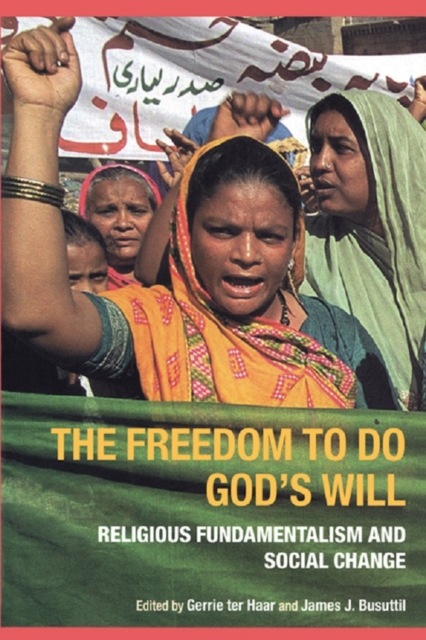
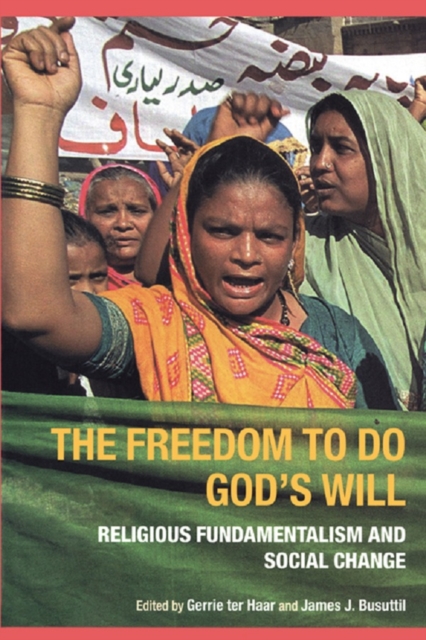
Under the auspices of top international commentators, The Freedom to do God's Will considers the global impact of fundamentalism on religious traditions including Hinduism, Buddhism, Mormonism, Christianity, Judaism and Islam.
Under the auspices of top international commentators, The Freedom to do God's Will considers the global impact of fundamentalism on religious traditions including Hinduism, Buddhism, Mormonism, Christianity, Judaism and Islam.