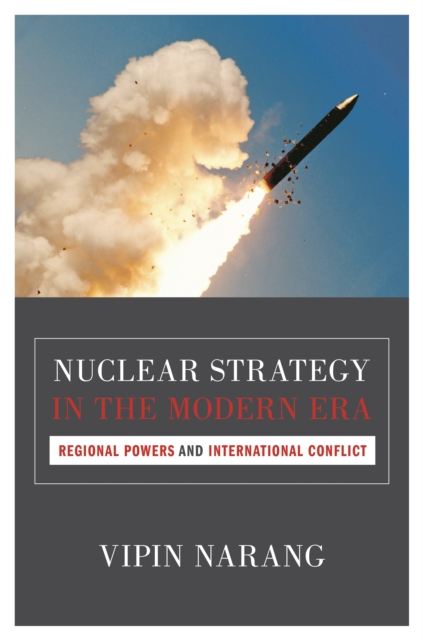
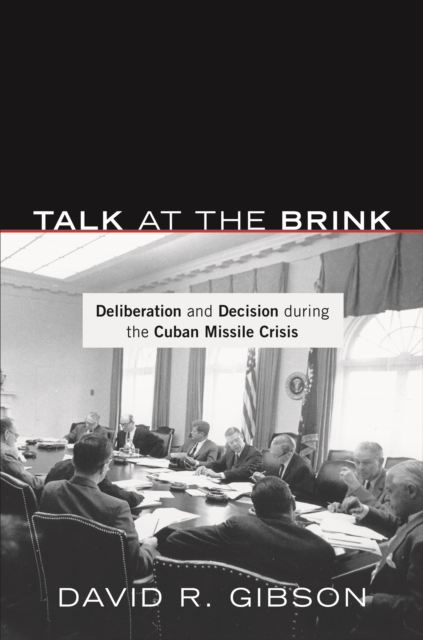
This volume incorporates the talks delivered at a conference on 11 Arms Control and the New Middle East Security Environment, 11 held in Ginosar (Israel) in January 1992.
Nuclear-free zones, neutrality, and nonalignment are catchwords that recently have earned unprecedented international publicity for New Zealand's foreign policy.
Contemporary world history has highlighted militarization in many ways, from the global Cold War and numerous regional conflicts to the general assumption that nationhood implies a significant and growing military.
The nuclear freeze movement grew more quickly than even the most optimistic activists thought possible, as large numbers of Americans became convinced that there was something wrong with United States defense policy and that they could do something about it.
An essential guide offers a comprehensive collection of edited and annotated arms-control documents, dating from the late-19th century to the present day.
From the destruction of Hiroshima to the conclusion of the Nuclear Non-Proliferation Treaty in 1968, the international community struggled to halt the nuclear arms race and to prevent the annihilation of humanity.
Why do some American intelligence officials maintain fallout shelters and private contingency plans to evacuate their families in the event of a Russian nuclear strike-even in today's post-Cold War era of U.
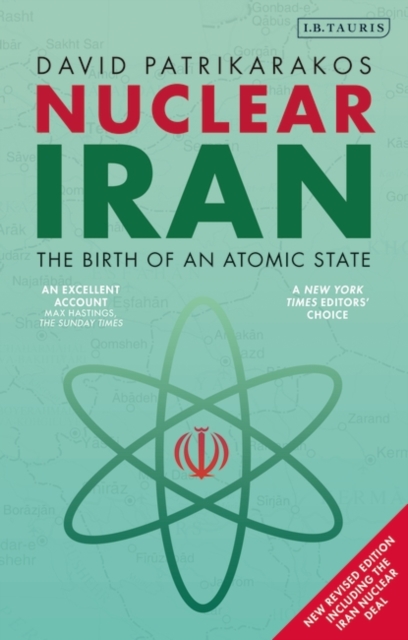
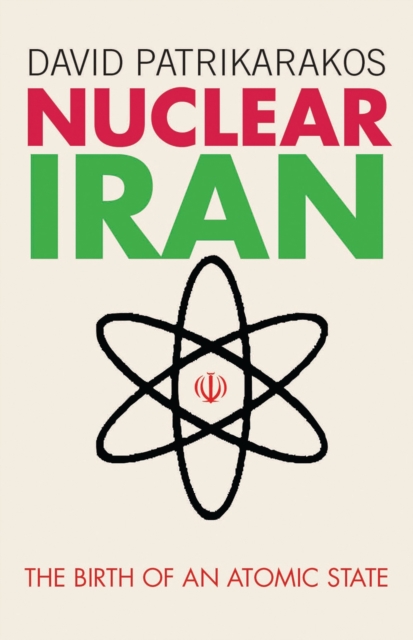
The Iranian nuclear crisis has dominated world politics since the beginning of the century, with the country now facing increasing diplomatic isolation, talk of military strikes against its nuclear facilities and a disastrous Middle East war.
The Iranian nuclear crisis has dominated world politics since the beginning of the century, with the country now facing increasing diplomatic isolation, talk of military strikes against its nuclear facilities and a disastrous Middle East war.
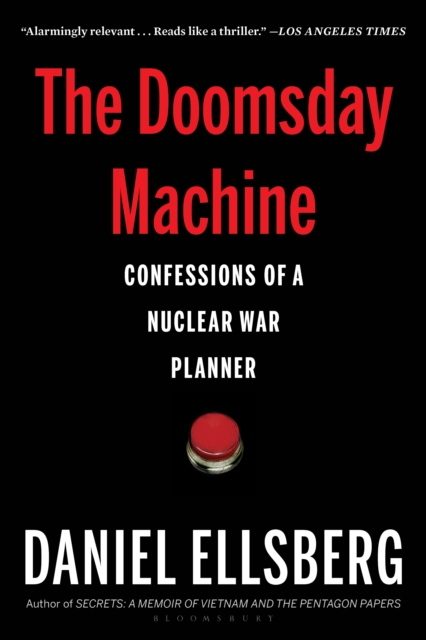
Shortlisted for the Andrew Carnegie Medal for Excellence in NonfictionFinalist for The California Book Award in NonfictionThe San Francisco Chronicle's Best of the Year ListForeign Affairs Best Books of the Year In These Times "e;Best Books of the Year"e;Huffington Post's Ten Excellent December Books List LitHub's "e;Five Books Making News This Week"e;From the legendary whistle-blower who revealed the Pentagon Papers, an eyewitness expose of the dangers of America's Top Secret, seventy-year-long nuclear policy that continues to this day.
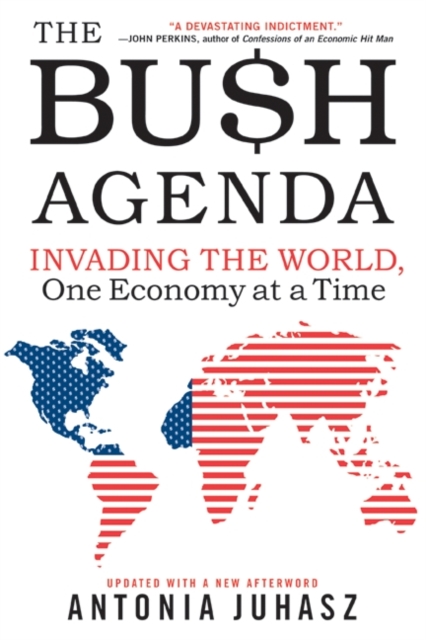
In The Bush Agenda, Antonia Juhasz exposes a radical corporate globalization agenda that has been refined by leading members and allies of the Bush administration over decades and reached its fullest, most aggressive implementation under George W.
The Iranian nuclear crisis has dominated world politics since the beginning of the century, with the country now facing increasing diplomatic isolation, talk of military strikes against its nuclear facilities and a disastrous Middle East war.
This is the first book-length study of why states sometimes ignore, oppose, or undermine elements of the nuclear nonproliferation regime-even as they formally support it.
The United States and the Soviet Union could drastically reduce their nuclear arsenals below the levels prescribed by the new Strategic Arms Reduction Treaty (START).
Featuring essays by prominent experts in international security, this volume surveys the status and prospects for progress in every major area of arms control under active negotiation: strategic and conventional force reductions, a chemical weapons ban, and the vitality of the nuclear nonproliferation treaty regime.
This nontechnical overview of developments in nuclear arms control describes how the United States and the Soviet Union arrived at their present positionsand where they might go from here.
The essential history of the Strategic Arms Limitation Talks (SALT) during the Nixon Administration How did Richard Nixon, a president so determined to compete for strategic nuclear advantage over the Soviet Union, become one of the most successful arms controllers of the Cold War?
How America used its technological leadership in the 1950s and the 1960s to foster European collaboration and curb nuclear proliferation, with varying degrees of success.
Contemporary world history has highlighted militarization in many ways, from the global Cold War and numerous regional conflicts to the general assumption that nationhood implies a significant and growing military.
Many Baby Boomers still recall crouching under their grade-school desks in frequent bomb drills during the Cuban Missile Crisis-a clear representation of how terrified the United States was of nuclear war.