The 1968 Nuclear Non-proliferation Treaty has proven the most complicated and controversial of all arms control treaties, both in principle and in practice.
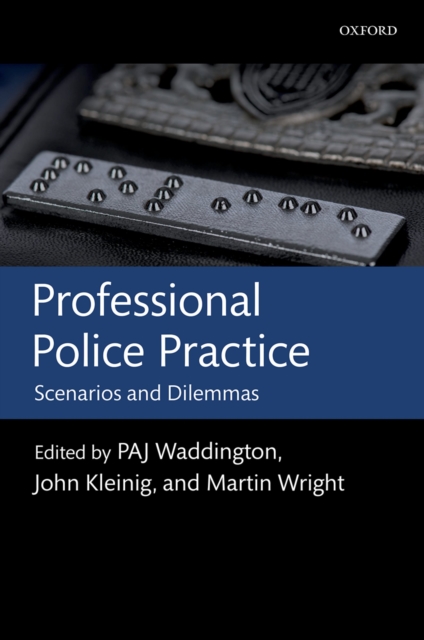
How can police officers engaged in public order policing ensure they act lawfully, secure safe criminal convictions, avoid civil claims and, perhaps most importantly, maintain the peace?
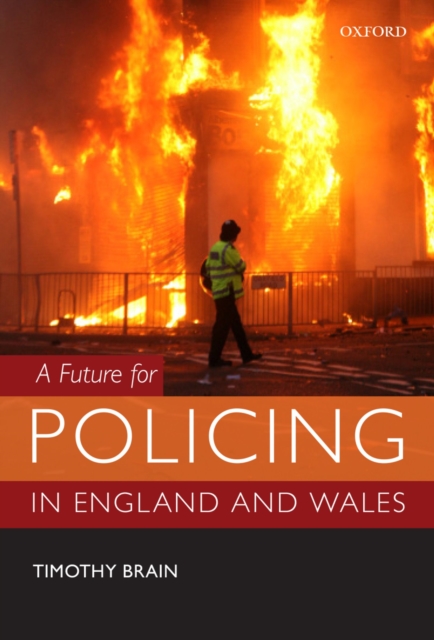
Encapsulating new policing developments under the Coalition, A Future for Policing in England and Wales examines the major reform proposals and reports brought in since May 2010, including the Winsor Report and the 2010 Comprehensive Spending Review, and analyses what these changes mean for the future of policing in England and Wales.
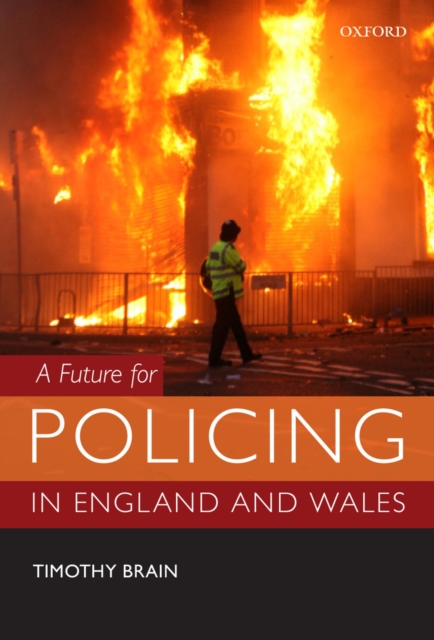
Encapsulating new policing developments under the Coalition, A Future for Policing in England and Wales examines the major reform proposals and reports brought in since May 2010, including the Winsor Report and the 2010 Comprehensive Spending Review, and analyses what these changes mean for the future of policing in England and Wales.
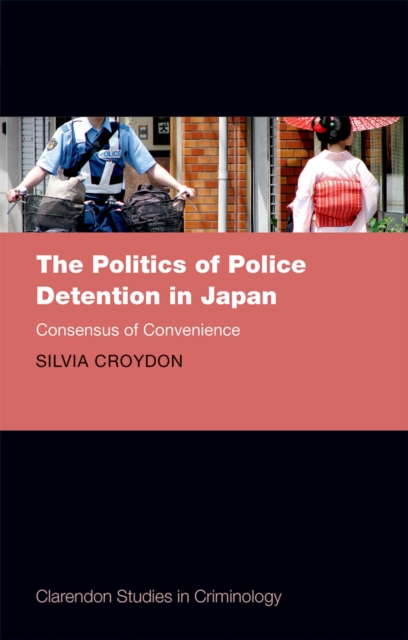
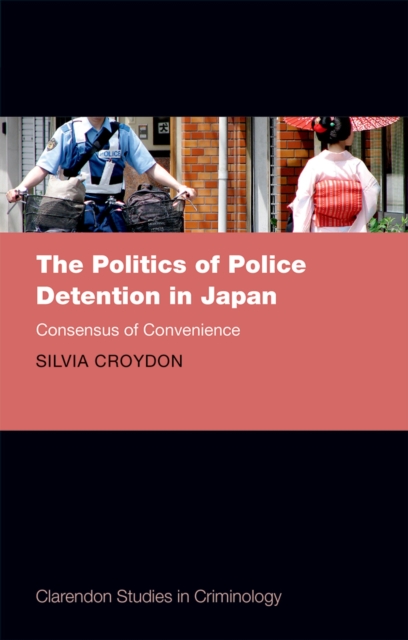
Filling a huge vacuum of scholarship on the Japanese criminal justice system, The Politics of Police Detention in Japan: Consensus of Convenience shines a spotlight on the remand procedure for criminal suspects in Japan, where the 23-day duration for which individuals can be held in police custody prior to being indicted is the longest amongst developed nations, with the majority of countries stipulating 4 days or less.
Filling a huge vacuum of scholarship on the Japanese criminal justice system, The Politics of Police Detention in Japan: Consensus of Convenience shines a spotlight on the remand procedure for criminal suspects in Japan, where the 23-day duration for which individuals can be held in police custody prior to being indicted is the longest amongst developed nations, with the majority of countries stipulating 4 days or less.
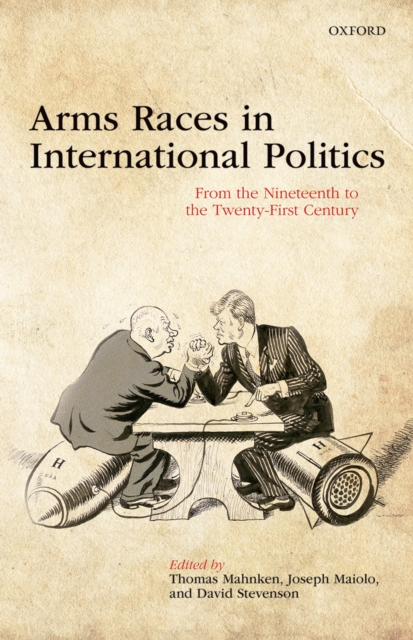
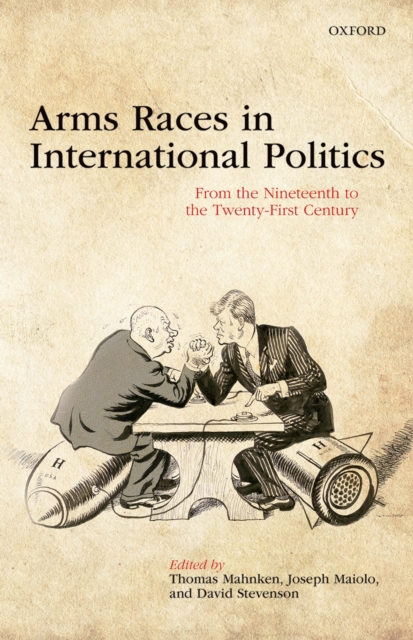
This volume provides the first comprehensive history of the arms racing phenomenon in modern international politics, drawing both on theoretical approaches and on the latest historical research.
This volume provides the first comprehensive history of the arms racing phenomenon in modern international politics, drawing both on theoretical approaches and on the latest historical research.
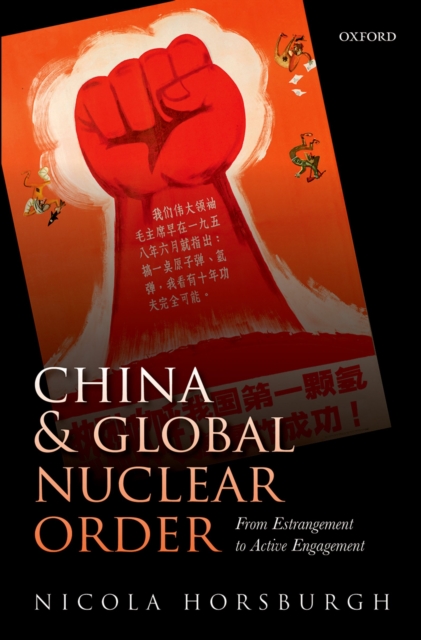
This book offers an empirically rich study of Chinese nuclear weapons behaviour and the impact of this behaviour on global nuclear politics since 1949.
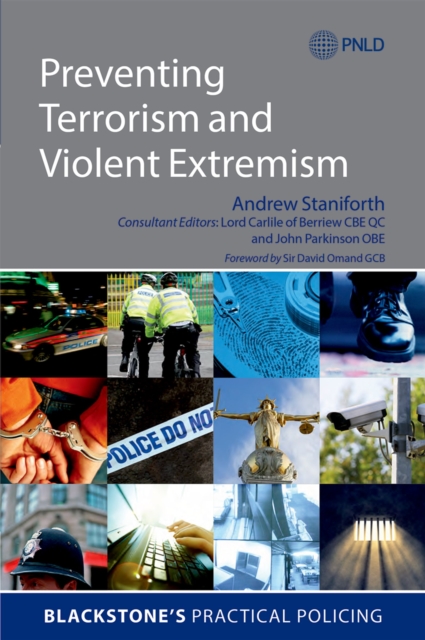
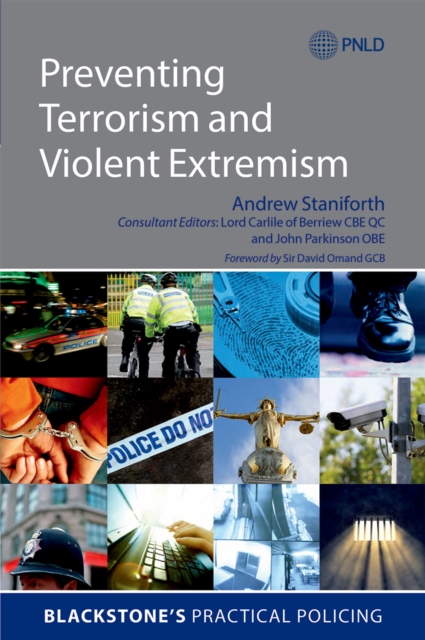
Providing you with an accessible and authoritative guide to neighbourhood policing and the counter-terrorism measures available to police officers, Preventing Terrorism and Violent Extremism presents the tools and operational know-how needed to tackle the range of threats to both national security and community safety.
Providing you with an accessible and authoritative guide to neighbourhood policing and the counter-terrorism measures available to police officers, Preventing Terrorism and Violent Extremism presents the tools and operational know-how needed to tackle the range of threats to both national security and community safety.
Blackstone's Policing for the PCSO is the third edition of the bestselling Blackstone's PCSO Handbook, representing the changing needs of this unique group within the police service.
Blackstone's Policing for the PCSO is the third edition of the bestselling Blackstone's PCSO Handbook, representing the changing needs of this unique group within the police service.
Based on a detailed analysis of archives and high level interviews this book looks at the role of beliefs, culture and identity in the making of British nuclear policy from 1945 through to the present day.
When the Cold War ended, the world let out a collective sigh of relief as the fear of nuclear confrontation between superpowers appeared to vanish overnight.
In 1960, President Kennedy warned of a dangerous future, rife with nuclear-armed states and a widespread penchant for conflict by the end of the century.
In 1960, President Kennedy warned of a dangerous future, rife with nuclear-armed states and a widespread penchant for conflict by the end of the century.
During the Cold War, many believed that the superpowers shared a conception of strategic stability, a coexistence where both sides would compete for global influence but would be deterred from using nuclear weapons.
International efforts to prevent the spread of weapons of mass destruction (WMD)-including nuclear, biological, and chemical weapons-rest upon foundations provided by global treaties such as the Nuclear Non-Proliferation Treaty (NPT) and the Chemical Weapons Convention (CWC).
This book addresses the issue of grand strategic stability in the 21st century, and examines the role of the key centres of global power - US, EU, Russia, China and India - in managing contemporary strategic threats.
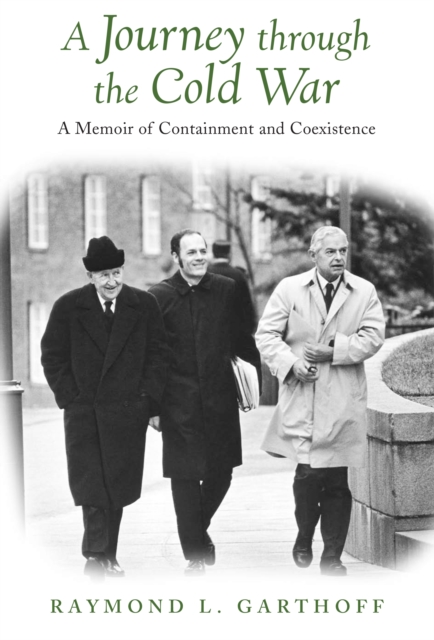
In this memoir, Ambassador Ray Garthoff paints a dynamic diplomatic history of the cold war, tracing the life of the conflict from the vantage points of an observant insider.
In October 2002 the United States confronted North Korea with suspicions that Pyongyang was enriching uranium in violation of the Agreed Framework that the nations had worked out during the Clinton administration.
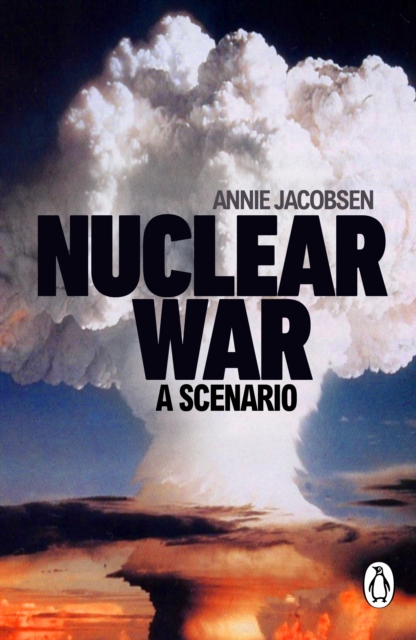
The Sunday Times bestselling edge-of-your-seat exploration of what would happen in the event of nuclear war, perfect for readers of American Prometheus: The Triumph and Tragedy of J.
In December 1993, Secretary of Defense Les Aspin announced the Counterproliferation Initiative, a response to President Clinton's assertion that if we do not stem the proliferation of the world's deadliest weapons, no democracy can feel secure.
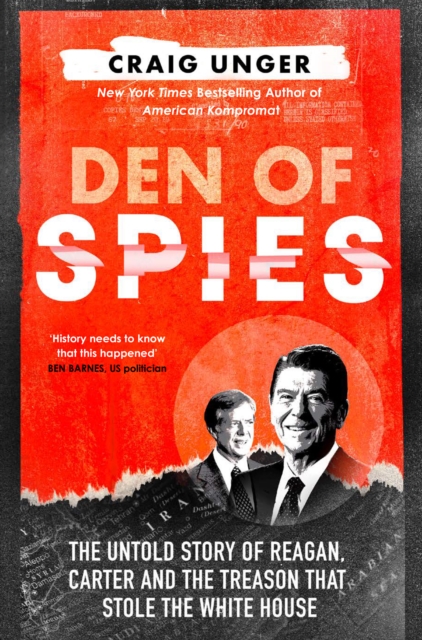
Argo meets Spotlight, as New York Times bestselling author Craig Unger reveals his thirty-year investigation into the secret collusion between Ronald Reagan's 1980 presidential campaign and Iran, raising urgent questions about what happens when foreign meddling in elections goes unpunishedArgo meets Spotlight, as New York Times bestselling author Craig Unger reveals his thirty-year investigation into the secret collusion between Ronald Reagan's 1980 presidential campaign and Iran, raising urgent questions about what happens when foreign meddling in our elections goes unpunished and what gets remembered when the political price for treason is victory.