The book examines selected faith-based organisations (FBOs) and their attempts to seek to influence debate and decision-making at the United Nations (UN).
Based on document analysis, and on the evaluations, perceptions and judgments of people involved in framing, making, and applying foreign policy in both countries as foreign affairs officials, law makers, or think tanks' associates, this book presents the differing worldviews and concepts for establishing an international order.
In historical terms, the Old Diplomacy is not really that old many of its concepts and methods date to the mid-nineteenth century while the practices of New Diplomacy emerged only a couple of generations later.
This study looks at the underlying foundations of global order, putting aside mainstream institutionalist approaches in showing how China and the US are engaged in an intense process of contestation and renegotiation of an institutionalized order that has long been taken for granted.
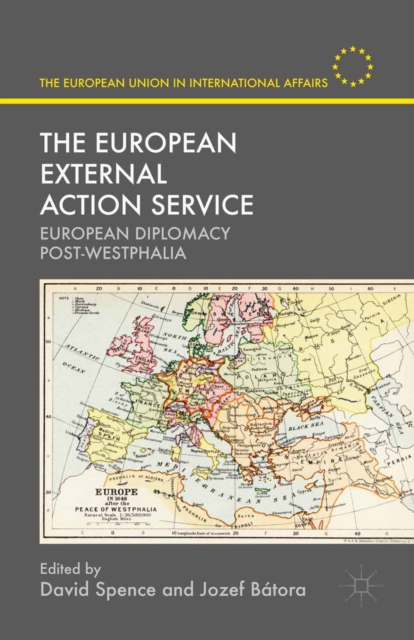
This book questions whether the institutions and practices of the emerging EU diplomatic system conform to established standards of the state-centric diplomatic order; or whether practice is paving the way for innovative, even revolutionary, forms of diplomatic organisation.
This edited volume addresses the challenges and opportunities facing NATO post-2014, applying an original approach to strategy that will produce fresh insights into this hot topic within the international security community.
This is a history of political parties in ten nations (with the sections on France and Germany limited to specific period), and a critique of the existing literature that emphasizes the importance of electoral rules as determinative of political party systems.
This collection brings together leading scholars and practitioners to assess the processes, institutions and outcomes of the EU's collective diplomatic engagement in the fields of security, human rights, trade and finance and environmental politics.
As the RtoP moves from norm to operationalization, greater analysis of action to halt crimes against humanity, war crimes, genocide and ethnic cleansing is needed.
China's commitments in Central Asia illustrate how regional foreign policy works and how long-standing principles of Chinese foreign policy might be revised in the near future.
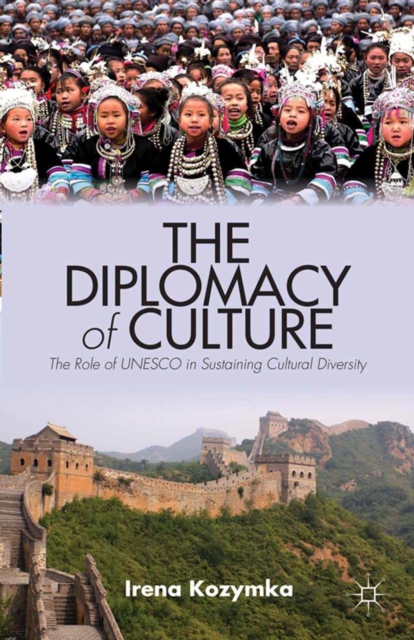
Cultural diversity, because it is perceived to have significant security, developmental, and social implications, is fast becoming one of the major political issues of the day.
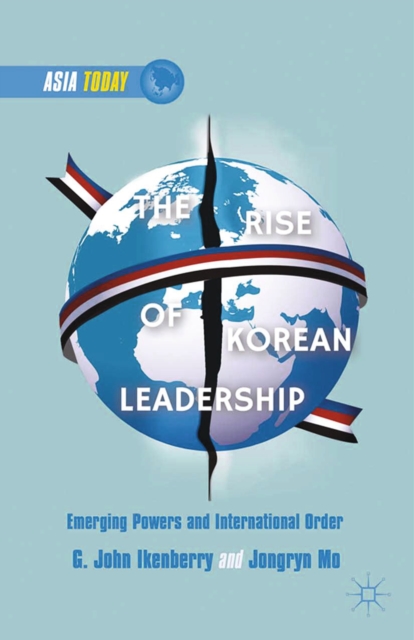
South Korea has emerged as a new middle power playing a significant role in a wide range of important global issue areas and supporting liberal international order with its leadership diplomacy.
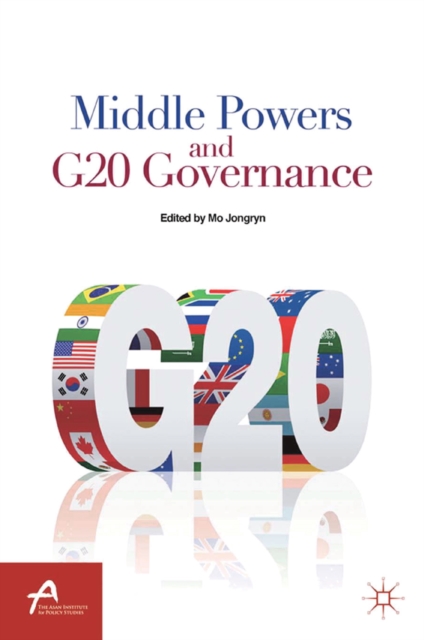
This volume reflects the diverse perspectives presented on each of the major governance groups that contribute directly and indirectly to the G20 political process.
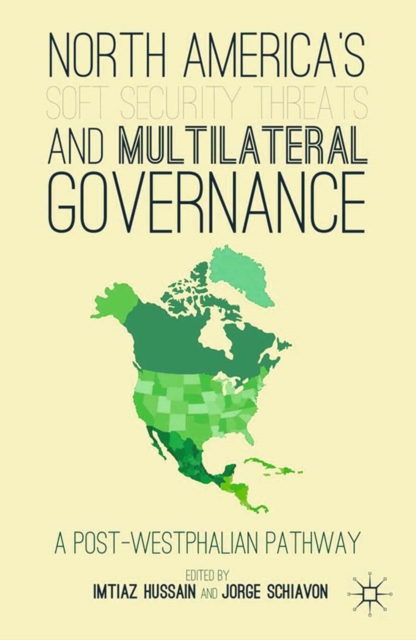
The authors use multilateral security governance theory to propose mutual persuasion, institution-building, incorporation of non-state actors into multilateral strategies, collective action, and multilateral governance as a strategy for modern Mexico.
This innovative study considers why embassies today are especially relevant to the international system, examining the new representation options and global diplomacy techniques in an information age.
Updating the papers from the 2011 Asan Conference to cover the end of 2011, this book reflects the state of analysis on the eve of the important 2012-13 transition to China's fifth-generation leaders.
This book analyzes the relations between two geographical areas with different levels of regional institutionalization: the European Union and Latin America.
Drawing on the experiences of more than 100 developing country negotiators and the insights of leading academic studies, this guide brings together practical advice and lessons on ways to negotiate effectively with larger parties, and avoid common pitfalls.
A complement to the successful The Global Negotiator: Making, Managing, and Mending Deals Around the World in the Twenty-First Century (Palgrave, 2003), Salacuse's new work is a comprehensive and easy-to-understand look at negotiation in everyday life.
This book analyzes ways how three fringe players of the modern diplomatic order - the Holy See, the Sovereign Military Order of Malta, and the EU - have been accommodated within that order, revealing that the modern diplomatic order is less state-centric than conventionally assumed and is instead better conceived of as a heteronomy.
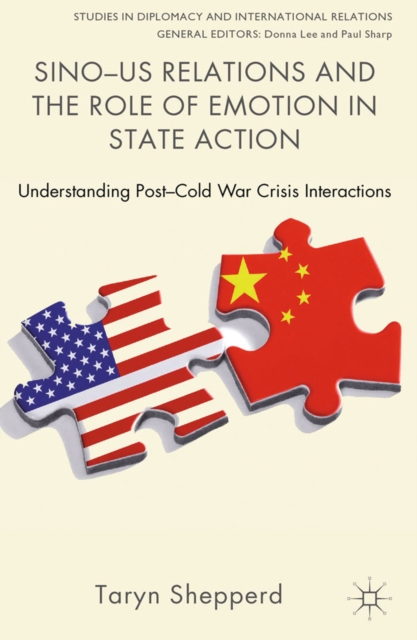
Examining twenty-first century relations between the US and China, Shepperd investigates three well publicised crises between these states, highlighting how social interests relating to identity and emotional needs were key dynamics driving these interactions and their transformation.
Taking a comparative approach and bringing together perspectives from Japan, China, Korea, and Taiwan, this volume considers former Japanese prime minister Tomiichi Murayama's 1995 apology statement, the height of Japan's post-war apology, and examines its implications for memory, international relations, and reconciliation in Asia.
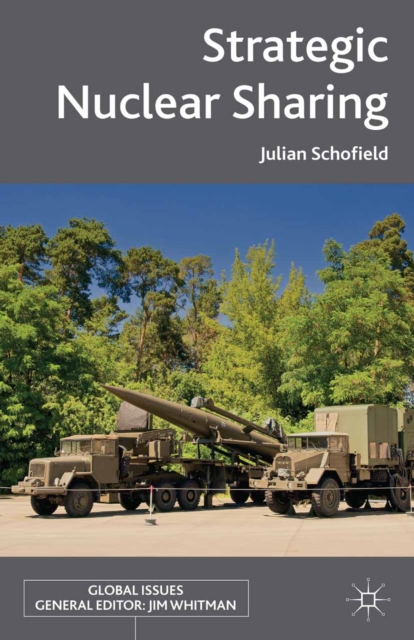
The sharing of nuclear weapons technology between states is unexpected, because nuclear weapons are such a powerful instrument in international politics, but sharing is not rare.
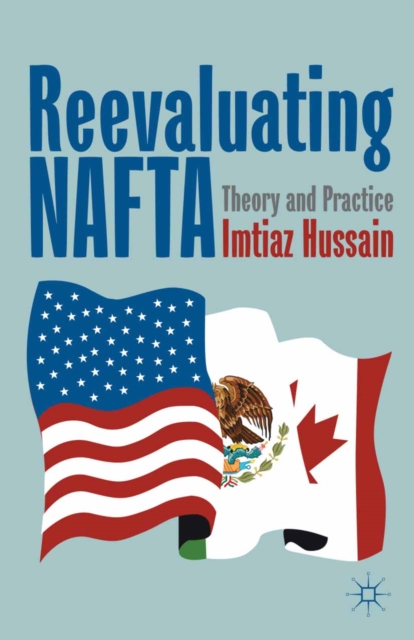
Depicting NAFTA to be but a stepping stone rather than final product of regional economic integrative efforts, a chapter-specific 15-year assessment conveys the upsides and downsides of North America's Camelot moment.
Mixing religion and public diplomacy can produce volatile results, but in a world in which the dissemination and influence of religious beliefs are enhanced by new communications technologies, religion is a factor in many foreign policy issues and must be addressed.
In this concise introduction to the complexities of contemporary western intelligence and its dynamics during an era of globalization, Adam Svendsen discusses intelligence cooperation in the early 21st century, with a sharp focus on counter-terrorism and WMD counter-proliferation during the 'War on Terror.
The book provides a novel analytical perspective on regional multilateralism in South Asia and its neighbouring regions and covers the genesis, evolution and status quo of the four major regional organizations.
This book critically analyses the 2011 intervention in Libya arguing that the manner in which the intervention was sanctioned, prosecuted and justified has a number of troubling implications for the both the future of humanitarian intervention and international peace and security.
Three former western Soviet republics - Ukraine, Belarus, and Moldova - now find themselves torn between the European Union and the increasingly assertive Russia.