Providing a well-balanced and impartial perspective on the foreign policy of the Islamic Republic of Iran, this book contributes to a better understanding of the current foreign policy of Iran, especially its internal and external determinants.
Providing a well-balanced and impartial perspective on the foreign policy of the Islamic Republic of Iran, this book contributes to a better understanding of the current foreign policy of Iran, especially its internal and external determinants.
This book demonstrates how infrastructure projects and the communications thereof are strategized by rising powers to envision progress, to enhance the actor's international identity, and to substantiate and leverage the actor's vision of international order.
This book demonstrates how infrastructure projects and the communications thereof are strategized by rising powers to envision progress, to enhance the actor's international identity, and to substantiate and leverage the actor's vision of international order.
Morgan and his contributors develop the concept of the Information Regime as a way to understand the use, abuse, and control of information in East Asia during the Cold War period.
Morgan and his contributors develop the concept of the Information Regime as a way to understand the use, abuse, and control of information in East Asia during the Cold War period.
Focusing on the interplay between domestic-level changes and region-wide interaction, this book provides a comprehensive analytical and theoretical survey of Iranian foreign relations in the Middle East from Antiquity until the Islamic Republic.
Focusing on the interplay between domestic-level changes and region-wide interaction, this book provides a comprehensive analytical and theoretical survey of Iranian foreign relations in the Middle East from Antiquity until the Islamic Republic.
This book argues that China's international socialization of the political elites of Belt and Road Initiative (BRI) partner states is an exceptionally effective instrument of China's current foreign policy.
This book argues that China's international socialization of the political elites of Belt and Road Initiative (BRI) partner states is an exceptionally effective instrument of China's current foreign policy.
The monograph explores the dynamics of ingroup identity in the foreign policy-making of Middle Eastern monarchies from the evolution of the regional system after the World Wars until the present.
The monograph explores the dynamics of ingroup identity in the foreign policy-making of Middle Eastern monarchies from the evolution of the regional system after the World Wars until the present.
This book presents a study of Lord Salisbury, British prime minister in the late nineteenth century and early twentieth century, whose political philosophy was reactionary and defeatist, and who is remembered for an irony that was wounding as well as diverting.
This book presents a study of Lord Salisbury, British prime minister in the late nineteenth century and early twentieth century, whose political philosophy was reactionary and defeatist, and who is remembered for an irony that was wounding as well as diverting.
This book examines how Rwandan elites within the government, private sector and civil society perceive the nation's political and economic relationship with the international community.
This book examines how Rwandan elites within the government, private sector and civil society perceive the nation's political and economic relationship with the international community.
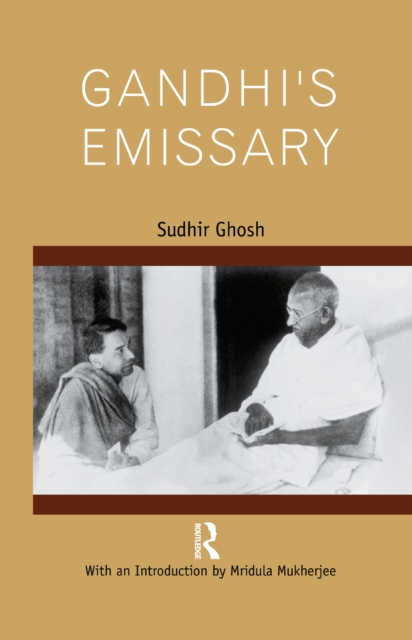
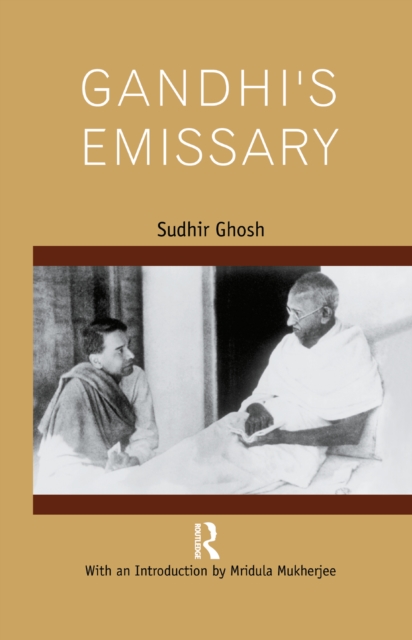
In 1946, at the age of 29, the author was chosen by Mahatma Gandhi to act as unofficial emissary between the British Labour Government and India in the delicate negotiations which resulted in the country's independence.
India's foreign policy, out of the structural confines of the Cold War strategic framework, has become more expansive in defining its priorities over the last few years.
In 1946, at the age of 29, the author was chosen by Mahatma Gandhi to act as unofficial emissary between the British Labour Government and India in the delicate negotiations which resulted in the country's independence.
India's foreign policy, out of the structural confines of the Cold War strategic framework, has become more expansive in defining its priorities over the last few years.
India and Israel contextualises the varied aspects of the partnership between India and Israel, with a specific focus on the dominant driver - the defence engagement between the two sides, forged in the context of mutual complementarities.
India and Israel contextualises the varied aspects of the partnership between India and Israel, with a specific focus on the dominant driver - the defence engagement between the two sides, forged in the context of mutual complementarities.
This is a study of the Royal Bank of Canada's Monthly Letter, which was initially created in 1920 as a traditional economic newsletter and later evolved quite serendipitously into a publication marvel when, in 1943, it came under the influence of John Heron, journalist and publicist, gaining mass appeal both domestically and abroad.
This is a study of the Royal Bank of Canada's Monthly Letter, which was initially created in 1920 as a traditional economic newsletter and later evolved quite serendipitously into a publication marvel when, in 1943, it came under the influence of John Heron, journalist and publicist, gaining mass appeal both domestically and abroad.
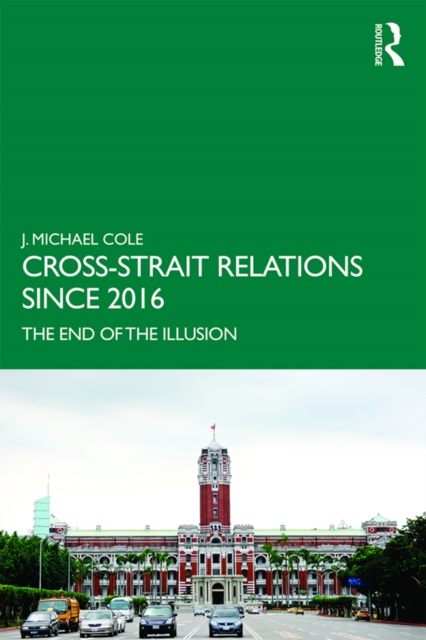
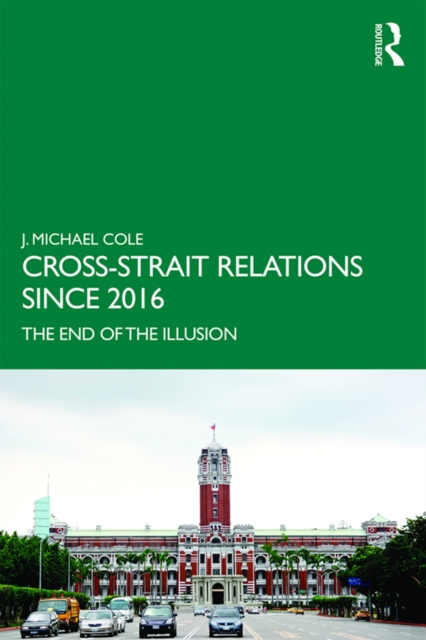
Cross-Strait Relations Since 2016: The End of the Illusion examines the situation in the Taiwan Strait since the election of Tsai Ing-wen of the Democratic Progressive Party in the January 2016 general elections.
Cross-Strait Relations Since 2016: The End of the Illusion examines the situation in the Taiwan Strait since the election of Tsai Ing-wen of the Democratic Progressive Party in the January 2016 general elections.
This study moves from a history of the American-Israeli strategic relationship since 1967 to an assessment of the permanency of US-Israeli strategic ties, their purpose in the eyes of both partners, and their susceptibility to future pressures.
Relations between the United States and South Africa - or the parts of the world these nations now occupy - go nearly as far back as the very beginning of their inception as permanent European colonial intrusions.