Nach außen und im Innern: Deutschland und Europa müssen wehrhaft seinRusslands Krieg, der Krieg der Hamas und die militärische Antwort Israels, Chinas Aggressionen gegen Taiwan und der Konflikt mit dem Westen.
Kaufman and Williams present critical issues in international relations through an intersectional approach that examines race, gender, class, ethnicity, and power to arrive at better explanations for such core IR issues as war and peace, security, human rights, development and international political economy, and the global environment.
This book analyses the role of liquified natural gas in a decarbonising world and presents the most significant energy-transition options and implications for the liquified natural gas industry.
Este libro tiene como objetivo reflexionar sobre los principales resultados de la Conferencia sobre el Futuro de Europa, organizada en 2022, en el contexto del proceso de integracion de la Union Europea, y discutir en que medida esta experiencia europea ofrece lecciones relevantes para la superacion de los actuales desafios del regionalismo latinoamericano.
This study emphasizes the legacies of British internationalism in the international organizations of the twentieth century while examining British responses to the end of the British Empire.
Peek into the Hidden World of DiplomacyDiplomatic Channels: Behind the Curtains of International Relations offers an unparalleled glimpse into the gripping realities of global diplomacy.
Peek into the Hidden World of DiplomacyDiplomatic Channels: Behind the Curtains of International Relations offers an unparalleled glimpse into the gripping realities of global diplomacy.
This book contributes to the debate on the international law of post-conflict peacebuilding and suggests a need for closer connections between practitioners and lawyers.
Francois Noudelmann, who has been teaching in American universities for twenty-five years, is struck by the new practice of lying in politics, and particularly since the election of Donald Trump in 2016.
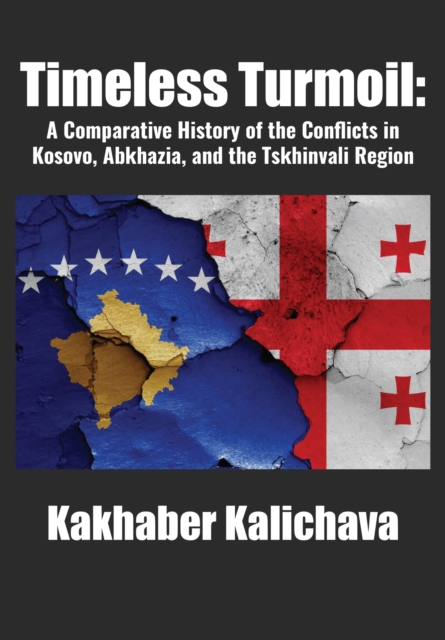
Timeless Turmoil offers a comprehensive historical and comparative analysis of recent conflicts in Kosovo, Abkhazia, and the Tskhinvali region, examining their geopolitical dynamics from ancient times to the present.
Timeless Turmoil offers a comprehensive historical and comparative analysis of recent conflicts in Kosovo, Abkhazia, and the Tskhinvali region, examining their geopolitical dynamics from ancient times to the present.
Delve into the history of energy resource conflicts, their present status, and the potential effects of today's energy production decisions on the future of humanity.
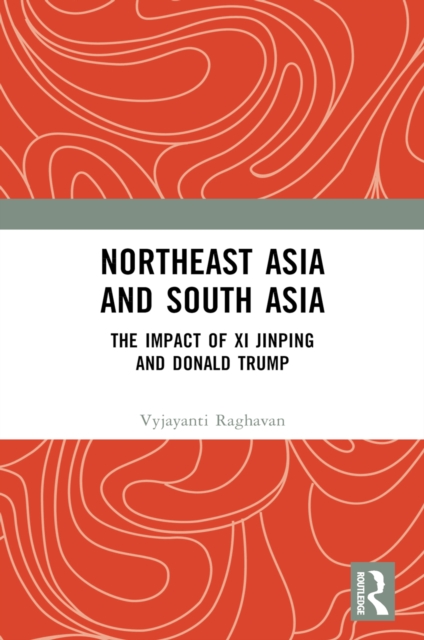
This book focuses on the role of China and the US in Northeast Asia and South Asia, and examines their traditional policies and progression under Donald Trump and Xi Jinping.
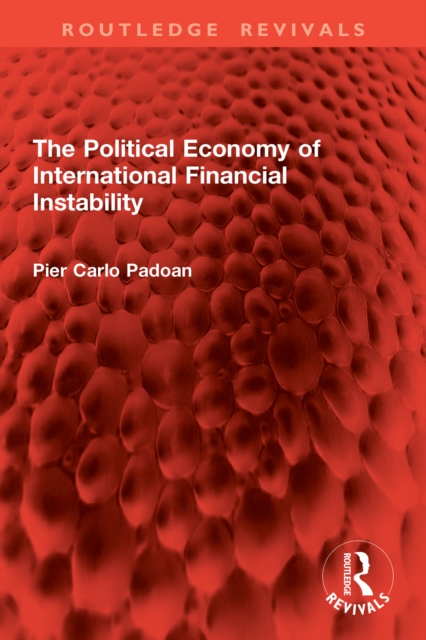
The Political Economy of International Financial Instability (1986) discusses international financial problems as a global issue, concentrating on systemic interactions.
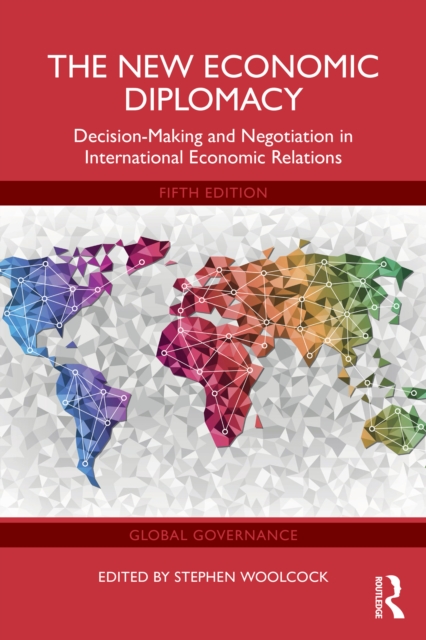
The New Economic Diplomacy, fifth edition, explores how states conduct their external economic relations, make domestic decisions, negotiate internationally and how these processes interact.
The continuity in Russian state foreign policy revolves around two fundamental elements: the pursuit or maintenance of great power status and underlying political ideologies.
This is a dangerous time-the international system is teetering, jolted by a raging pandemic, climate change, income inequality, cyber threats, terrorism, authoritarian regimes, nationalist demagogues, and frightened and impatient publics.
First published in 1992, A Future for Africa looks at the crises plaguing the Africa's societies and economies and argues convincingly that the problems are not insuperable, but that, though their causes are largely external, the only long-term solutions rest in African hands.
This book explores the path that led to the Treaty of Rapallo (1920) between Italy and the new Kingdom of the Serbs, Croats and Slovenes, later the Kingdom of Yugoslavia, in the aftermath of the First World War, when the territories of the former Austro-Hungarian Empire were allotted to new and existing states, with regard as far as possible to the nationalities of the people living in the various territories in addition to the future of Montenegro and Albania.