Cultural Cold Wars and UNESCO in the Twentieth Century addresses the now-considerable interest in the concept of cultural cold war as a means of advancing ideologies.
This book will explore the reorientation of the foreign policy direction of the Caribbean from traditional partners in the western hemisphere towards partners in the Asia-Pacific region.
Popular Culture, Social Media, and the Politics of Identity advances a novel methodological approach - pop culture as political object - to capture the centrality of popular culture as an object of a broad range of political contests and debates that constitute pop culture artefacts by generating and informing specific meanings and understandings of them.
First published in 1951, Britain and the Middle East sets forth briefly the relations which the people and the government of Britain had with the Middle East from the earliest records of such relations until 1950.
This book presents an original framework of transnational asylum to inform future cooperation between states on asylum processing and refugee protection.
The IISS Strategic Dossier Turbulence in the Eastern Mediterranean: Geopolitical, Security and Energy Dynamics surveys the geopolitical landscape, defence dynamics and energy prospects of the region that spans Cyprus, Egypt, Greece, Israel and the Occupied Palestinian Territories, Lebanon, Libya, Syria and Turkiye.
Originally published in 1925, written by someone who was associated with the work of the League of Nations from the beginning, this concise book is a clear and short account of the structure, function and tasks of the League of Nations at the start of the Twentieth Century.
Foreign policy analysis is a major part of international relations scholarship, yet many models are ill-equipped to examine the effects of individual leadership on policy.
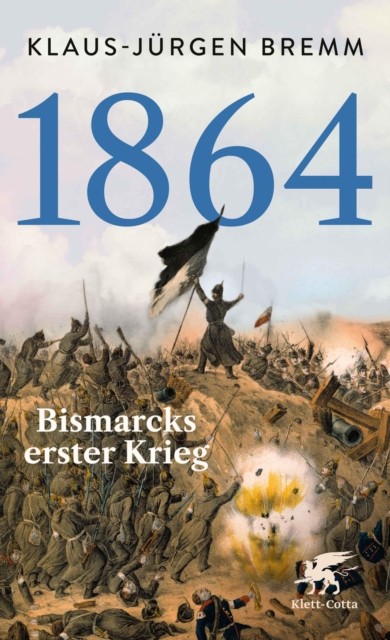
Die Geburtsstunde des Kaiserreichs: der deutsch-dänische Krieg neu erzähltMit dem Einmarsch der preußischen und österreichischen Truppen in Dänemark begann am 1.
This book centres refugees and asylum seekers as agents of global politics, broadening our thinking about political agency beyond statism, citizenship, and organized political protest.
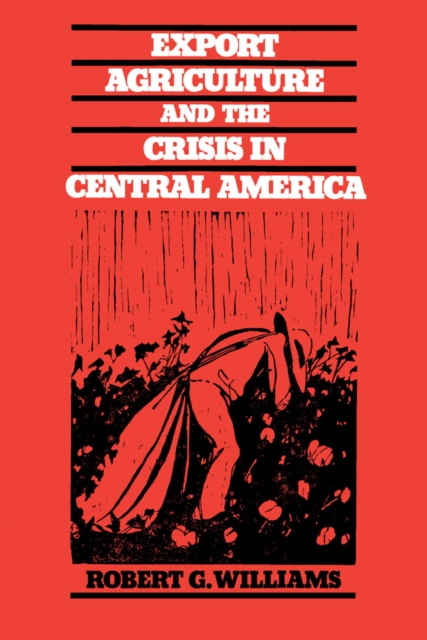
Before social unrest shook the region in the 1970s, Central America experienced more than a decade of rapid export growth by adding cotton and beef to the traditional coffee and bananas.
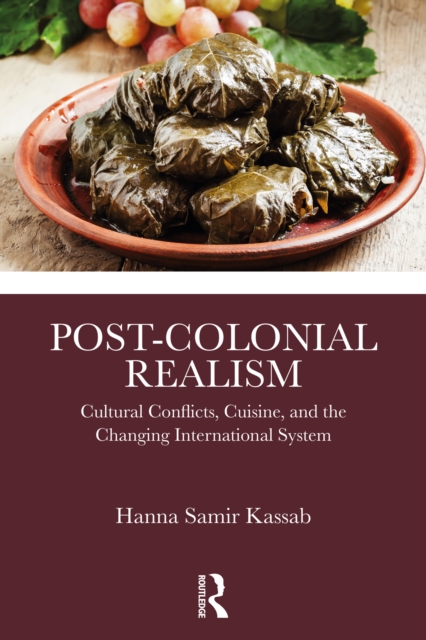
In Post-Colonial Realism, Hanna Samir Kassab develops a theoretical framework to explain, understand, and predict international conflict, placing culture at the center of international political analysis.
Cultural Heritage and Mobility from a Multisensory Perspective bridges the gap between cultural heritage and mobility studies through the employment of theoretical and methodological multisensory perspectives.
Are phenomena labeled as corrupt subject to systematic social science investigation, or does corruption lie so much in the eye of the beholder as to frustrate serious analysis?
Historical analogies are often utilized to frame and formulate foreign policies, illuminate issues of war and peace, and mobilize support for particular political programs.
This book examines the evolving geopolitical landscape of the Arctic, focusing on the impact of climate change and the war in Ukraine on regional and international relations from a legal and geopolitical perspective.