Set against a backdrop of terrorism, rogue states, non-conventional warfare, and deteriorating diplomacy, this encyclopedia offers a comprehensive, multidisciplinary, up-to-date reference on the recent history and contemporary practice of arms control and nonproliferation.
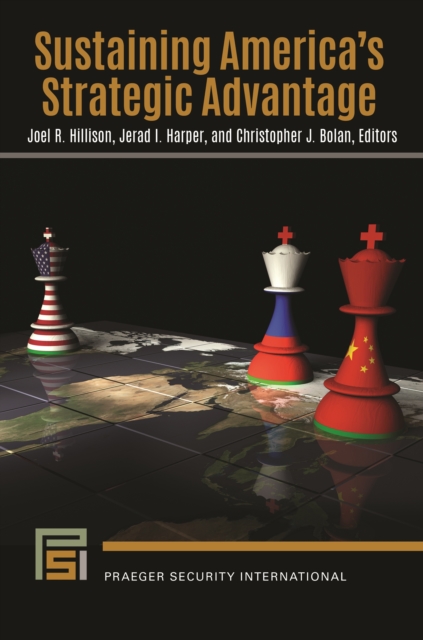
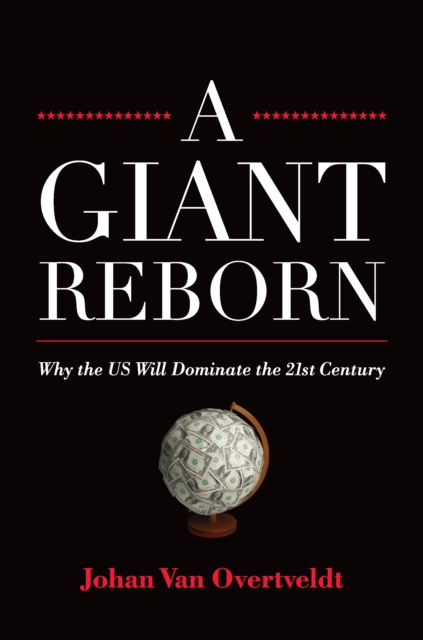
Written for foreign policy practitioners, scholars, and students, this book offers critical insights into the modern landscape of international politics and warfare and explains how the United States can sustain its strategic advantages in the 21st century and beyond.
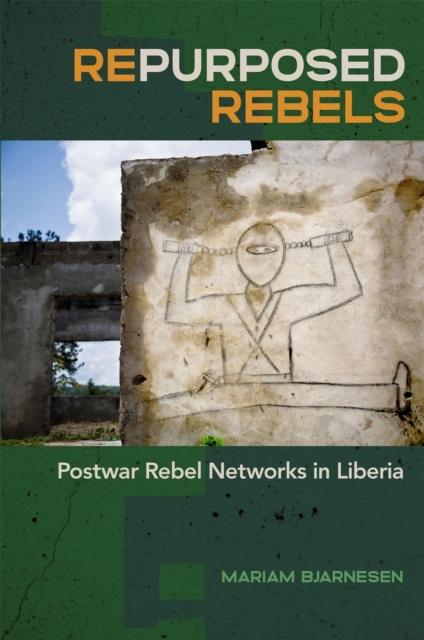
Despite peace agreements, demobilization, and reintegration processes, the end of war does not automatically or necessarily make combatants abandon their wartime rebel networks.
How can Islam be understood in the context of internal struggles for unity and identity, a rise in anti-Muslim hate crime and continued media portrayals of violence, extremism, warfare and oppression?
Covering the years 1962 to 2011, this volume includes the most provocative and important writings from Stephen Cohen's fifty-year career of observing South Asia-as a professor, as a government official, and, since 1998, as a scholar at the Brookings Institution.
A revealing memoir by the Israeli leader who almost made peace with the PalestiniansWritten almost entirely from inside a prison cell, Searching for Peace is the compelling memoir of former Israeli prime minister Ehud Olmert.
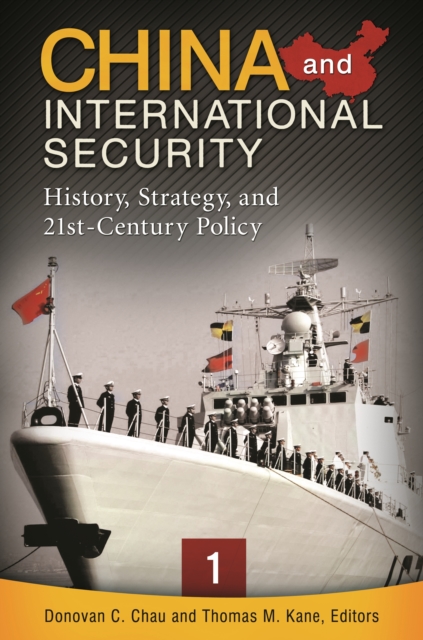
The first work of its kind, this strategic assessment of China's national security reveals the nation's intentions, capabilities, and threats-and their implications for the United States and the world.
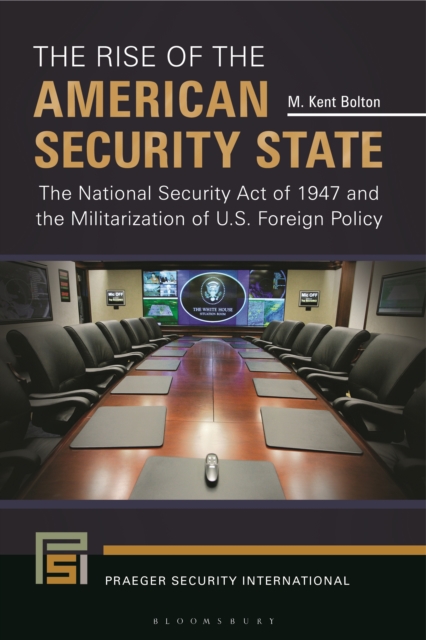
This book examines the impact of the National Security Act of 1947, the most important foreign policy legislation that many Americans (including policymakers and academics) have never heard of.
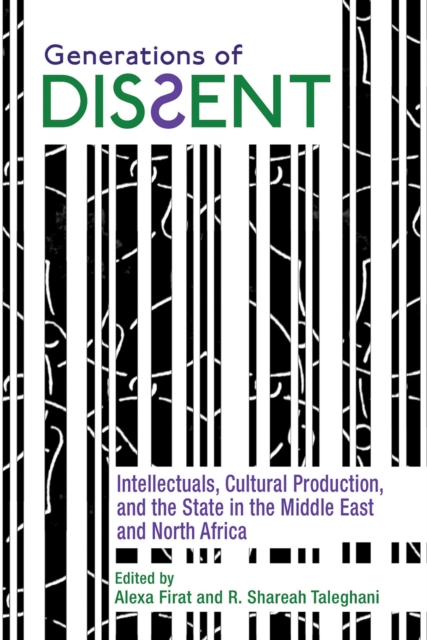
Situated in the fields of contemporary literary and cultural studies, the ten essays collected in Generations of Dissent shed light on the artistic creativity, cultural production, intellectual movements, and acts of political dissidence across the Middle East and North Africa.
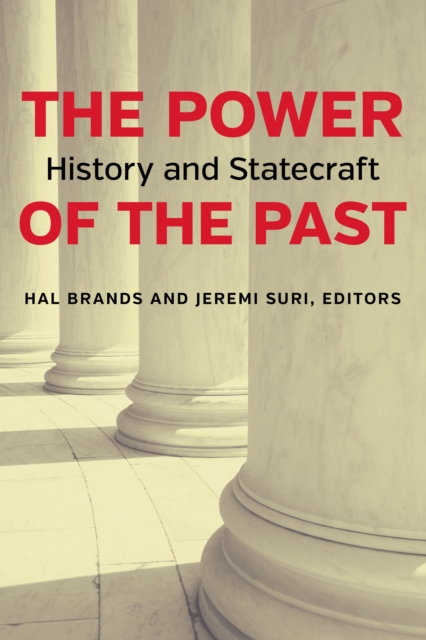
Leading scholars and policymakers explore how history influences foreign policy and offer insights on how the study of the past can more usefully serve the present.
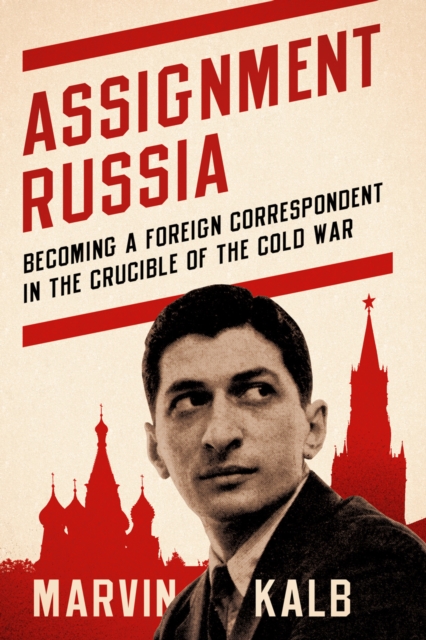
A personal journey through some of the darkest moments of the cold war and the early days of television newsMarvin Kalb, the award-winning journalist who has written extensively about the world he reported on during his long career, now turns his eye on the young man who became that journalist.
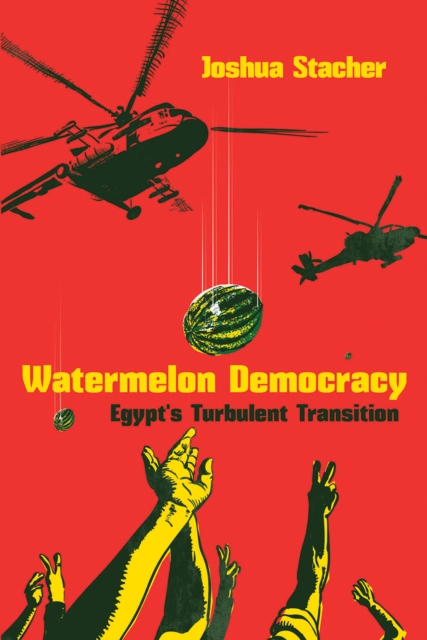
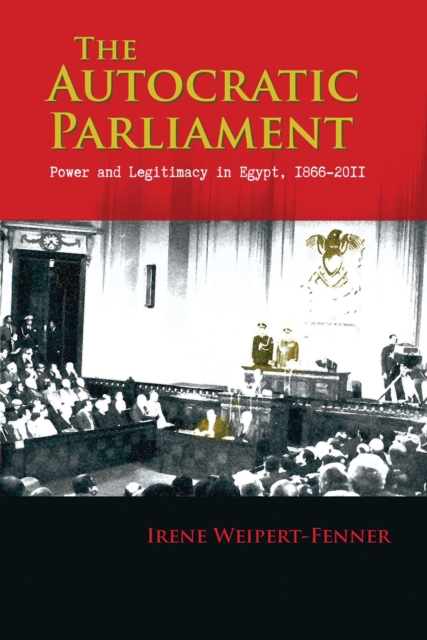
In Egypt, something that fails to live up to its advertised expectations is often called a watermelon: a grand promise that later turns out to be empty talk.
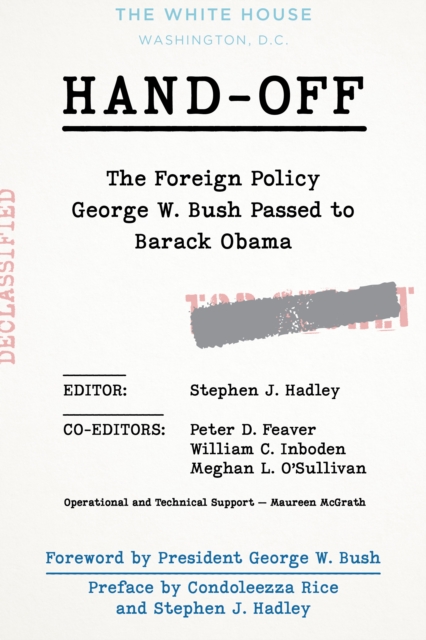
Hand-Off details the Bush administration's national security and foreign policy as described at the time in then-classified Transition Memoranda prepared by the National Security Council experts who advised President Bush.
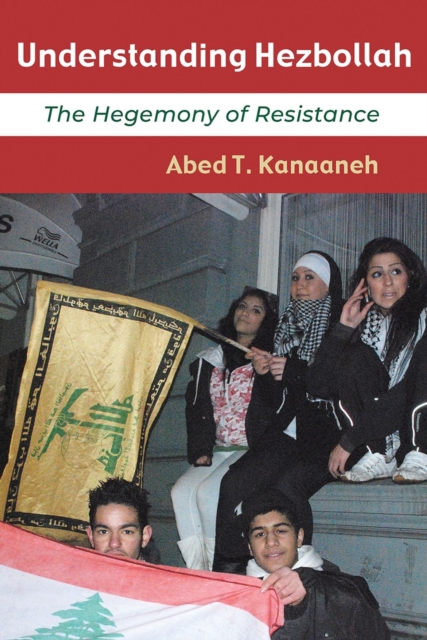
Over the last three decades, Hezbollah has developed from a small radical organization into a major player in the Lebanese, regional, and even international political arenas.
Demands for freedom, justice, and dignity have animated protests and revolutions across the Middle East in recent years, from the Iranian Green Movement and the Arab Spring uprisings to Turkey's March for Justice and the ongoing struggle in Palestine.
This comprehensive work provides a treasure trove of ways to seek, find, and use the power of will to gain an advantage over one's opponents in mental conflicts.
This collection of essays cuts to the quick of the most pressing moral issues facing decision-makers today, from the actions of ordinary soldiers in a combat zone to presidents deciding when and where to use force.
Helps civilian and military leaders, opinion makers, scholars, and interested citizens come to grips with the realities of the 21st-century global security arena by dissecting lessons from both the past and the present.
A highly valuable resource for students of intelligence studies, strategy and security, and foreign policy, this volume provides readers with an accessible and comprehensive exploration of U.
How psychology explains why a leader is willing to use military force to protect or salvage reputationIn Who Fights for Reputation, Keren Yarhi-Milo provides an original framework, based on insights from psychology, to explain why some political leaders are more willing to use military force to defend their reputation than others.
Covering 1816-2016, this book deals extensively with the international system as well as the territorial outcomes of several key wars that were waged during that time period, providing an instructive lesson in diplomatic history and international relations among global powers.
This book provides a framework for assessing China's extensive cyber espionage efforts and multi-decade modernization of its military, not only identifying the "e;what"e; but also addressing the "e;why"e; behind China's focus on establishing information dominance as a key component of its military efforts.
This volume identifies the main drivers of the current Sino-Russian relationship, assesses whether-and under what conditions-China and Russia would cooperate more extensively and effectively against American interests, and recommends U.
The second edition of this introductory textbook on foreign policy analysis focuses on the key explanatory factors that underlie the foreign policies of states and other actors to show how theory can illuminate practice.
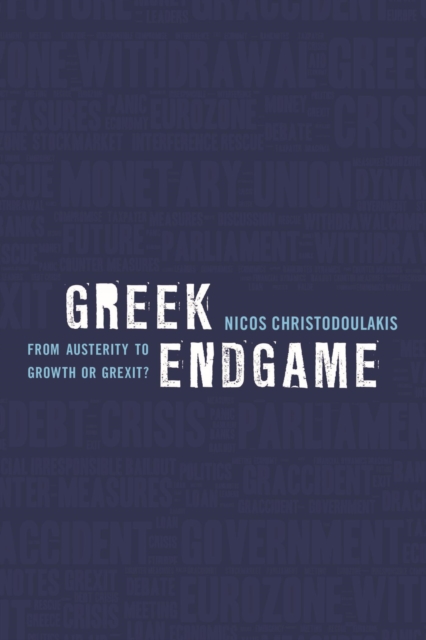
The book explores in depth both the origins of the Greek debt crisis and the conditions under which the economy might be turned around from its current malaise.
The concept of 'uneven and combined development' was originally coined by Leon Trotsky to theorise Tsarist Russia's distinctive experience of modernity and revolution.
The Democracy Perspective in the Americas presents the author's views on the evolution of democracy in the American hemisphere and the challenges confronting this form of governance.
International Relations tends to rely on concepts that developed on the European continent, obscuring the fact that its history is far less 'international' than one might expect.
The son of a prominent Chinese government official and general and the former schoolmate of Generalissimo Chiang Kai-shek, Chi Wang personally experienced one of the most tumultuous periods in Chinese history, including the Marco Polo Bridge Incident, the Japanese occupation of Hong Kong and mainland China, and the Chinese Civil War (1946-1949).