This book explores the characteristics of China's outward foreign investment, its motivation, its sector distribution, and its geographical distribution in order to illustrate the current pattern of 'merchant-state dualism' in China's overseas foreign direct investment.
This book argues that a sense of affinity for land and space constitutes the foundation of human agency and underlies all social activity of human beings from a personal level to family, nation, region, and the world.
This book contains critical analyses of President Barack Obama's foreign policy instruments toward Africa and suggests how to continue, strengthen, and modify these policy instruments.
This book updates prior research that utilized the perceptions of criminal investigators of the Immigration & Naturalization Service (INS), and compares these perceptions with immigration enforcement priorities that were implemented post 911, through the Obama Administration up to the Trump presidency.
This book examines forty-six UN peacekeeping operations, initiated from 1956 through 2006 to manage cases of intrastate and interstate conflicts, to identify the most significant factors that could help to explain the success or lack of success of such operations.
Rhetorics of Religion in American Fiction considers the way in which contemporaryAmerican authors address the subject of belief in the post-9/11 Age of Terror.
In the growing literature on middle powers, this book contributes by expanding case study analysis and extending international relations theory in its application to foreign policy decisions.
The 1915 Rent Strikes in Glasgow, along with similar campaigns across the UK, catalysed rent restrictions and eventually public housing as a right, with a legacy of progressive improvement in UK housing through the central decades of the 20th century.
Long considered a subfield of international relations and political science, Peace Studies has solidified its place as an interdisciplinary field in its own right with a canon, degree programs, journals, conferences, and courses taught on the subject.
In Mexico City, as in many other large cities worldwide, contemporary modes of urban governance have overwhelmingly benefited affluent populations and widened social inequalities.
In the course of Vladimir Putin's third presidential term, many of the doctrines and ideas associated with Eurasianism have moved to the center of public political discourses in Russia.
In Taiwan's Democracy on Trial, Professor Copper assesses the process of democratization in Taiwan during the Chen Shui-bian Era (2000 to 2008) and after.
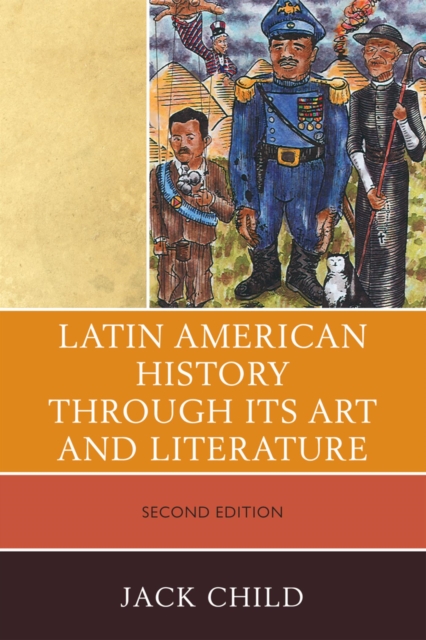
Latin American History through its Art and Literature uses 2,000 years of Latin American history as the organizing theme, and then explores that history through the words of the writer, the brush of the painter, the pen of the cartoonist, and the lens of the photographer.
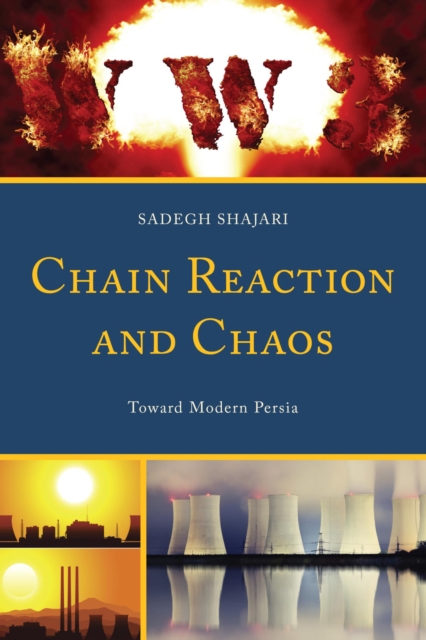
In this new perspective, Iran's quest for nuclear power-in the context of the global energy challenge and the Cold War-era nuclear arms race-takes on new dimension.
The United States had never lost a war that is, until 1975, when it was forced to flee Saigon in humiliation after losing to what Lyndon Johnson called a "e;raggedy-ass little fourth-rate country.
While traditionally powerful Western economies are treading water at best, beset by crises in banking, housing, and employment, industrial growth and economic development are exploding in China and India.
A look behind the scenes of some of India's most critical foreign policy decisions by the country's former foreign secretary and national security adviser.
In this gripping narrative, Carlo Bastasin reconstructs the main political decisions of the euro crisis, unveiling the hidden interests and the secret diplomacy behind the scene.
Noble Cause Corruption, the Banality of Evil, and the Threat to American Democracy, 1950-2008 is a probe of the mindset of American government officials, from presidents of the United States on down, who decided that necessity required that the American democracy had to be defended by actions and policies that were contrary to the traditional ideals of the democracy.
The Arctic is a global bellwether for climate change and indigenous peoples' rights and traditions, as well as a "e;health check"e; on the durability of international laws and norms.