This book provides the first book-length, English-language account of the political ethics of large-scale, Western-based humanitarian INGOs, such as Oxfam, CARE, and Doctors Without Borders.
The 2014-2015 Ebola epidemic in West Africa was an unprecedented medical and political emergency that cast an unflattering light on multiple corners of government and international response.
The 2014-2015 Ebola epidemic in West Africa was an unprecedented medical and political emergency that cast an unflattering light on multiple corners of government and international response.
When considering the structures that drive the global diffusion of human rights norms, Brian Greenhill argues that we need to look beyond institutions that are explicitly committed to human rights and instead focus on the dense web of international government organizations (IGOs)-some big, some small; some focused on human rights; some not-that has arisen in the last two generations.
In the first historical account of international NGOs, from the French Revolution to the present, Thomas Davies places the contemporary debate on transnational civil society in context.
In the first historical account of international NGOs, from the French Revolution to the present, Thomas Davies places the contemporary debate on transnational civil society in context.
So long as large segments of humanity are suffering chronic poverty and are dying from treatable diseases, organized giving can save or enhance millions of lives.
Geopolitical shifts, increasing demands for accountability, and growing competition have been driving the need for change within transnational nongovernmental organizations (TNGOs).
Geopolitical shifts, increasing demands for accountability, and growing competition have been driving the need for change within transnational nongovernmental organizations (TNGOs).
How organizations developed in history, how they operate, and how research on them has evolvedOrganizations are all around us: government agencies, multinational corporations, social-movement organizations, religious congregations, scientific bodies, sports teams, and more.
This powerful and empowering text offers a way forward for alleviating human suffering, presenting a realistic roadmap for enhanced global governance that can create workable solutions to mass poverty.
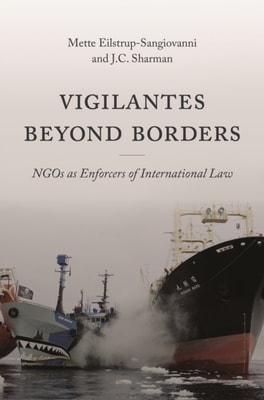
How and why NGOs are increasingly taking independent and direct action in global law enforcement, from human rights to the environment Nongovernmental organizations (NGOs) have generally served as advocates and service providers, leaving enforcement to states.
Women and Gender Perspectives in the Military compares the integration of women, gender perspectives, and the women, peace, and security agenda into the armed forces of eight countries plus NATO and United Nations peacekeeping operations.
In the mid-1990s, when the United Nations adopted positions affirming a woman's right to be free from bodily harm and to control her own reproductive health, it was both a coup for the international women's rights movement and an instructive moment for nongovernmental organizations (NGOs) seeking to influence UN decision making.
After World War II dozens of non-governmental organizations (NGOs) emerged on the global scene, committed to improving the lives of the world's most vulnerable people.