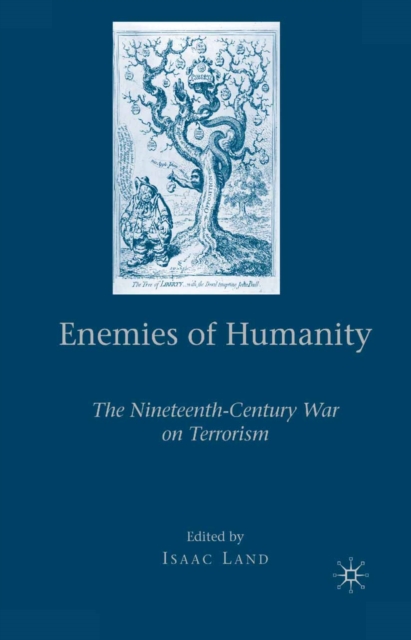
This collection of essays offers a fresh perspective on the definition and origins of terrorism, broadening the field to include slave revolts and urban tensions, and considering how the "e;war on terrorism"e; had already matured by 1870 as a way to justify often bloody campaigns against labor unions, nationalist freedom fighters, and reformers.
This book examines the manner by which the just war tradition has been invoked, engaged and developed in the context of the war on terror, paying particular attention to the questions of anticipatory war, humanitarian intervention, and punitive war.
This book compares rebel media use in three Mesoamerican rebellions: the Nicaraguan Revolution, the Salvadoran civil war and the Zapatista uprising in Chiapas, Mexico.
This topical volume seeks to analyze the intimate but under-studied relationship between the construction of national identity in Latin America, and the violent struggle for political power that has defined Latin American history since independence.
This book offers a thoughtful analysis of the international and domestic political impact of the global war on terrorism through the prism of US security relations in the wake of 9/11.
This book shows how France and Britain are leaders in EU security and defense policy, and explains why both states need each other in this policy area.
Written by leading authorities from Asia, Africa, Europe, and North and South America, this groundbreaking volume offers the first truly global and critical perspective on human security in the post 9/11 world.
This lucid and original work argues for a new style of political leadership, one which pays deliberate and sophisticated attention to the emotional dynamics of the public.
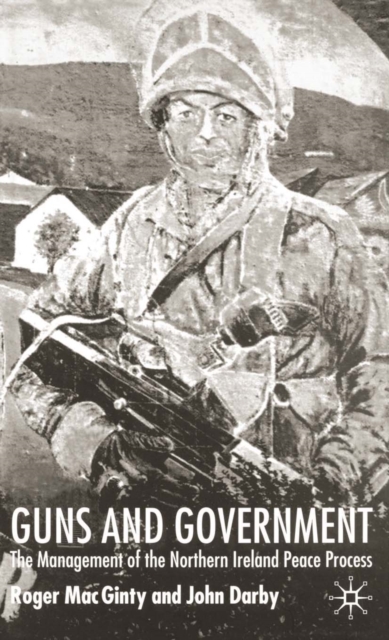
The book examines how the Belfast Agreement came about and its effect on unionism, nationalism, the paramilitaries, electoral support for local parties and the constitutional position of Northern Ireland.
Discussing the UK experience in the 'war on terror', this book critically analyses the discourse of 'war' and ideas of the politics of panic, as well as forensically analyzing the effectiveness of counter-terrorist policies such as intelligence gathering and processing, counter-terrorist finance and public order.
This book examines the practice of urban resilience past and present, drawing on deeper global historical sources and detailed case-studies of contemporary Britain.
Europe Confronts Terrorism examines the institutional, political, security and reforms that have taken place in Europe since the catastrophic terrorist attacks in the United States in 2001.
The spectre of revolution and the nature of radicalism in Britain from the late eighteenth century through to the age of the Chartists has for some time engaged the interest of scholars and been the topic of much debate.
The West's Road to 9/11 offers a detailed explanation of the handling of the challenge of terrorism by the USA, the UK and the West over the last thirty years.
This book focuses on a key period in Latin American history, the transition from colonial status, via the revolutions for independence, to national organization.
The authors show that with violent conflict in the developing world as the critical issue for the twenty-first century, and conflict prevention a central security problem for the developed and developing world, self-determination movements can only be understood, and conflict prevented, in the context of global economic and cultural forces
Hampson describes how the French Revolution, which seemed to promise an era of Franco-British partnership, led to an even more bitter estrangement between the two nations.
This book consists of a series of interrelated chapters analyzing why Iran, among all countries, has seen so many revolutionary movements in the past century; the degree to which its religion, Shi'ism, is revolutionary; and the history of revolutionary and resistance movements in the modern Muslim world.
The present book is about instability and conflict in the Middle East at a time when many still believe that peace between the Arabs and Israel will bring an end to all problems in the region.
The abduction of Western citizens by Hizb'Allah was motivated either by internal organisational requirements or in alignment with Syrian and Iranian interests, and mechanisms for the resolution of the hostage-crisis were subject to continuous interaction between Hizb'Allah, Iran, and Syria influenced by internal Lebanese, regional, and international events.
The Iranian Connection is the network of embassies and diplomatic staffs spread throughout the world that support Islamic Fundamentalist terrorism, controlled by 'Dept 15', in Tehran, the Iranian government denying all implication.
A comprehensive analysis of the role that prison policy can play in the reduction of terrorism, this book examines the experience of three western Europe jurisdictions: Northern Ireland, Italy and the Spanish Basque Country.
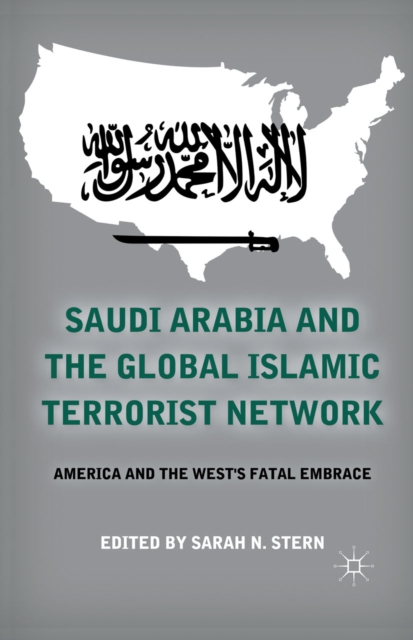
Saudi Arabia influences American policy through both conventional and unconventional methods, all due to the petro-dollars that have been generated from America's addiction to foreign oil.
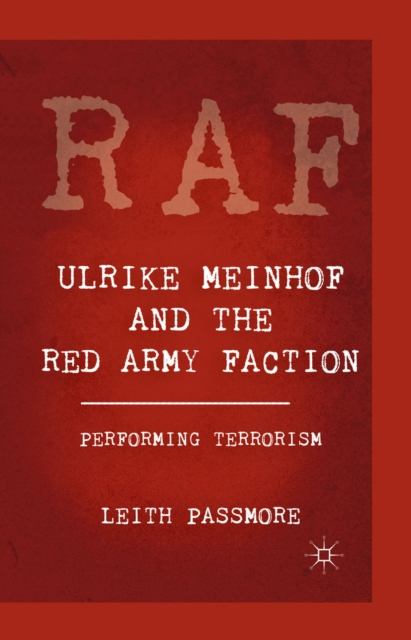
With a communicative approach to the phenomenon of terrorism and new archival sources, the book documents Meinhof's journalism and terrorism (1959-1976) and challenges many of the established narratives that have calcified around the story of Meinhof and the history of Germany's most infamous terrorist group.