As Mohammed Siddique Khan led his group of fellow-believers into London on the morning of July 7, 2005 it is unlikely that they were thinking much beyond the immediate impact of their actions.
As Mohammed Siddique Khan led his group of fellow-believers into London on the morning of July 7, 2005 it is unlikely that they were thinking much beyond the immediate impact of their actions.
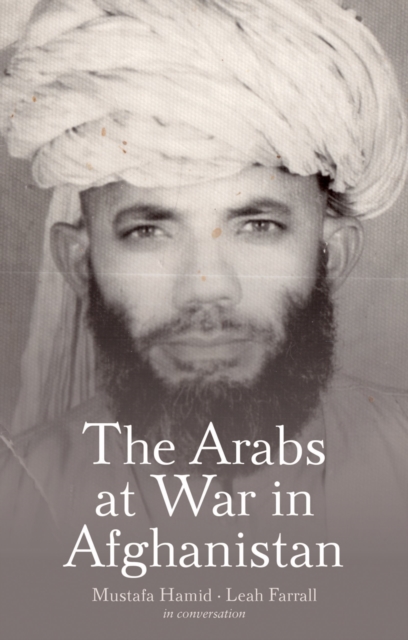
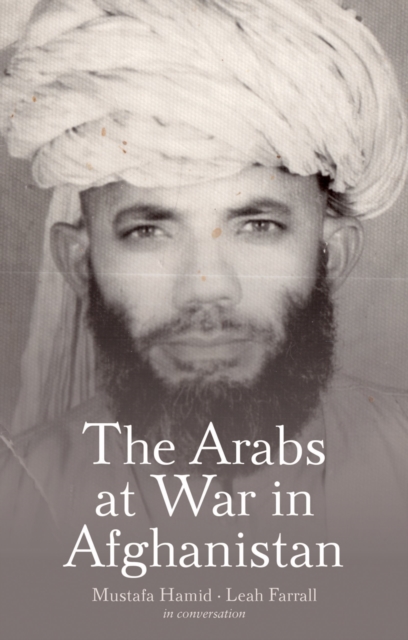
A former senior mujahidin figure and an ex-counter-terrorism analyst cooperating to write a book on the history and legacy of Arab-Afghan fighters in Afghanistan is a remarkable and improbable undertaking.
A former senior mujahidin figure and an ex-counter-terrorism analyst cooperating to write a book on the history and legacy of Arab-Afghan fighters in Afghanistan is a remarkable and improbable undertaking.
Between 1983 and 2009 Sri Lanka was host to a bitter civil war fought between the Government and the Tamil Tigers, which sought the creation of an independent Tamil state.
In the wake of 9/11 and the 'War on Terror', transnational Muslim NGOs have too often been perceived as illegitimate fronts for global militant networks such as al-Qaeda or as backers of national political parties and resistance groups in Palestine, Afghanistan and elsewhere.
Between 1983 and 2009 Sri Lanka was host to a bitter civil war fought between the Government and the Tamil Tigers, which sought the creation of an independent Tamil state.
In the wake of 9/11 and the 'War on Terror', transnational Muslim NGOs have too often been perceived as illegitimate fronts for global militant networks such as al-Qaeda or as backers of national political parties and resistance groups in Palestine, Afghanistan and elsewhere.
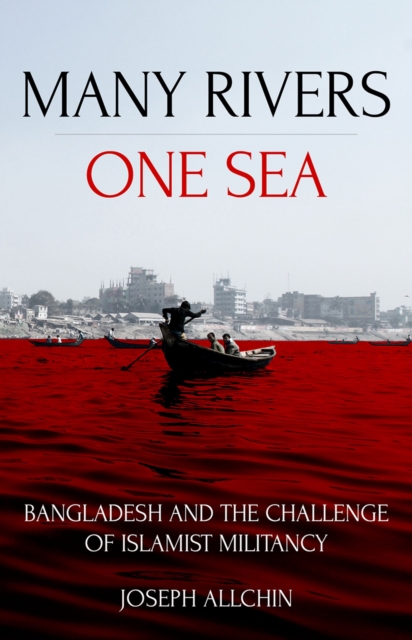
The 1998 attaThe 1998 attacks against US embassies in Nairobi and Dar es Salaam attest to al-Qaeda's durable presence in Africa, yet Islamist-inspired radical organisations in the continent have gained much attention of late, the result of their campaigns of insurgent and terrorist violence directed against the state in Algeria, Somalia, Nigeria, Mali, Burkina Faso, Niger, Tanzania, Ethiopia, Uganda, Djibouti and Kenya.
While much of the political science literature on populism focuses on key political actors within the party system, a good deal less attention has been paid to forms of populist contention that feature ordinary citizens protesting against elite rule and championing the cause of 'the People' around the world.
While much of the political science literature on populism focuses on key political actors within the party system, a good deal less attention has been paid to forms of populist contention that feature ordinary citizens protesting against elite rule and championing the cause of 'the People' around the world.
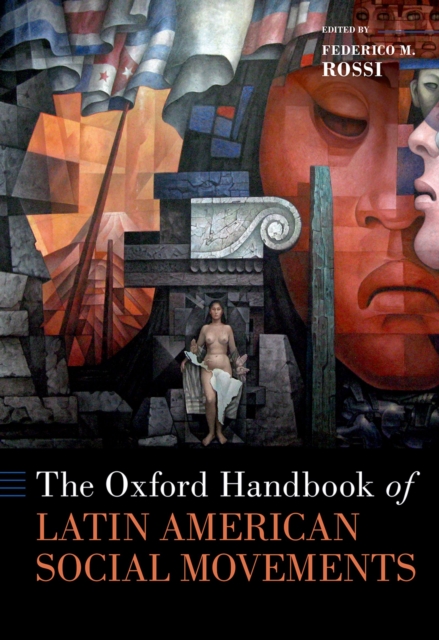
Since the re-democratization of much of Latin America in the 1980s and a regional wave of anti-austerity protests in the 1990s, social movement studies has become an important part of sociological, political, and anthropological scholarship on the region.
Since the re-democratization of much of Latin America in the 1980s and a regional wave of anti-austerity protests in the 1990s, social movement studies has become an important part of sociological, political, and anthropological scholarship on the region.
Technology provides numerous opportunities for positive developments in modern society; however, these venues inevitably increase vulnerability to threats in online environments.
From international NGOs to UN agencies, from donors to observers of humanitarianism, opinion is unanimous: in a context of the alleged "e;clash of civilizations"e;, our "e;humanitarian space"e; is shrinking.
Since its inception in Afghanistan in the late 1980s, the Lashkar-e-Tayyaba (LeT), also known as the Jamaat-ul-Dawa (JuD), has arguably been the most threatening and disruptive terrorist organization in South Asia and beyond.
Since its inception in Afghanistan in the late 1980s, the Lashkar-e-Tayyaba (LeT), also known as the Jamaat-ul-Dawa (JuD), has arguably been the most threatening and disruptive terrorist organization in South Asia and beyond.
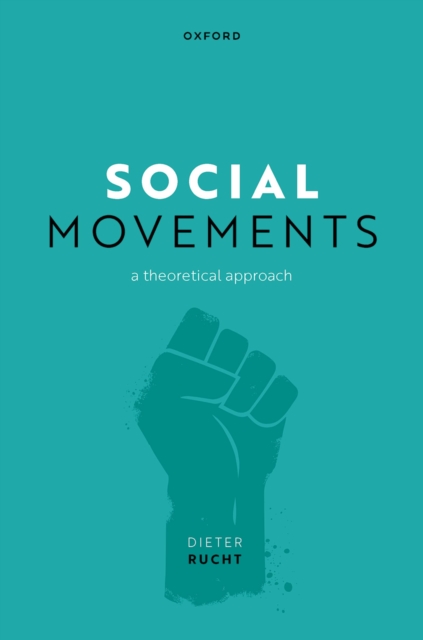
In Social Movements: A Theoretical Approach, Dieter Rucht offers a theoretically and historically informed approach to social movements as a phenomenon of modern societies.
In Social Movements: A Theoretical Approach, Dieter Rucht offers a theoretically and historically informed approach to social movements as a phenomenon of modern societies.
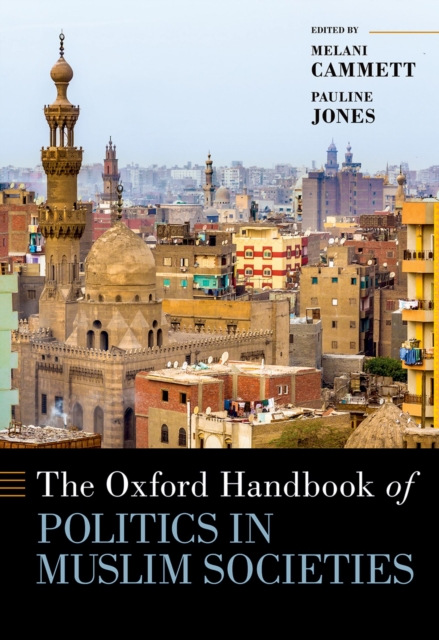
Muslim societies are largely absent from the study of religion and politics in the social sciences, despite the fact that scholarly literature often presumes that religion exercises a colossal influence on social, political, and economic outcomes in predominantly Muslim countries.
Muslim societies are largely absent from the study of religion and politics in the social sciences, despite the fact that scholarly literature often presumes that religion exercises a colossal influence on social, political, and economic outcomes in predominantly Muslim countries.