This third edition collection provides a contemporary survey of current international issues in bioethics and human rights for study across social science disciplines.
This book illustrates the multiple roles of textbooks as victim, transformer, and accomplice to conflict by introducing the Intersecting Roles of Education in Conflict (IREC) framework for use in the research, development, production, distribution, and dissemination of textbooks and learning materials.
This book lays the groundwork for the future of global citizenship, and it discusses where we are now, where to go from here, and how all of this fits into a lifelong learning context.
This book critically looks at the tensions between the promise to transform education through the use of digital technology and the tendency to utilize digital technology in instrumental and technical ways.
This book examines the discourses on nation-building, civic identity, minorities, and the formation of religious identities in school textbooks worldwide.
This book explores the relationship between religion and citizenship from a culturally diverse group of contributors, in the context of the developing tendency towards fundamentalist and conflicting religious beliefs in European, North African, and Middle Eastern societies.
Contributions collected here discuss the experiences of the citizens of Angola, Cape Verde, Guinea-Bissau, Mozambique and Sao Tome and Principe, and suggest some answers to the challenges they face.
One of the major issues this book examines is what the African experience and identity have contributed to the debate on citizenship in the era of globalisation.
Accès inégal à l'éducation, fracture technologique, inégalités de traitement face à la justice, différences économiques, disparités médicales et sanitaires : les auteurs de ce volume de l'Université de tous les savoirs font le point sur les inégalités non seulement entre les individus mais aussi entre les pays et les continents.
NEW YORK TIMES BESTSELLER • From two survivors of the Parkland, Florida, shooting comes a declaration for our times, and an in-depth look at the making of the #NeverAgain movement.
A riveting exploration of how visual media has shifted the narrative on race and reignited the push towards justice by the author of the ';worthy and necessary' (The New York Times) Nobody Marc Lamont Hill and the bestselling author and acclaimed journalist Todd Brewster.
Republished fifty years later to coincide with the release of the Academy Awardnominated film of the same title written and directed by Aaron Sorkin with an all-star cast, this is the classic account of perhaps the most infamous, and definitely the most entertaining, trial in recent American history.
A powerfully moving book that ';could make graspable why today's prisons are contemporary slave plantations' (Alice Walker, author of The Color Purple), giving voice to the poorest among us and laying bare the cruelty of a penal system that too often defines their lives.
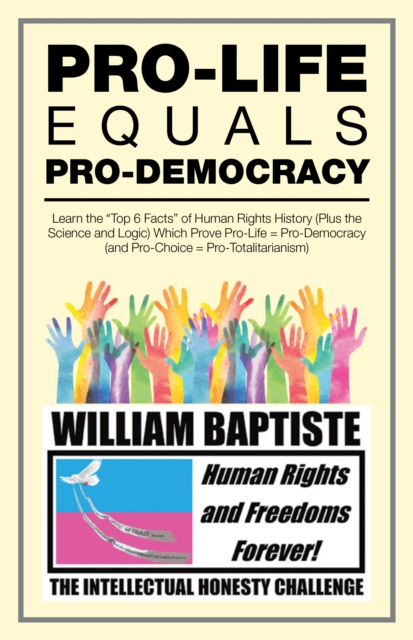
In a kind of Sequel to Aleksandr Solzhenitsyn s The Gulag Archipelago (quoted throughout), with Solzhenitsyn s intellect, honesty and intense passion for speaking Truth William Baptiste unravels 380 years of bad philosophy that has resulted in Marxism, anti-scientific Postmodernism developed by Marxists to protect Marxism from facts, and current Neo-Marxist Identity Politics which foments racial hatred, which all frequently accompany legal human-killing abortion, which was first legalized 100 Years ago in 1920 Marxist Soviet Russia as a prelude to legalizing the genocide of millions of William s ethnic heritage.
A diplomat with dual nationality tells the story of his heritage from a Japanese mother and American father, and his lifelong desire to serve the United States as a member of the U.
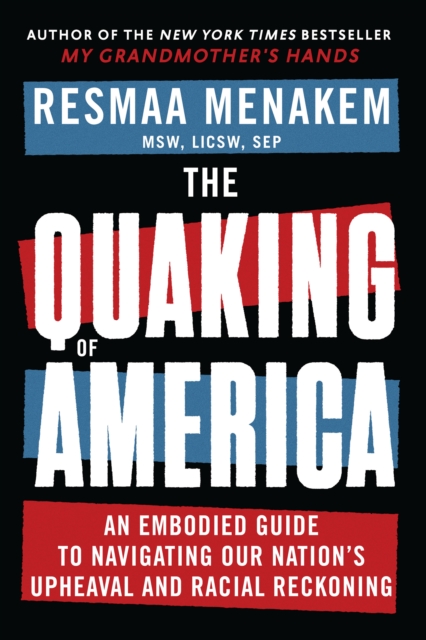
TheNew York Timesbestselling author ofMy Grandmother's Handssurveys America's deterioratingdemocracy and offers embodied practices to help us protect ourselves and our country.
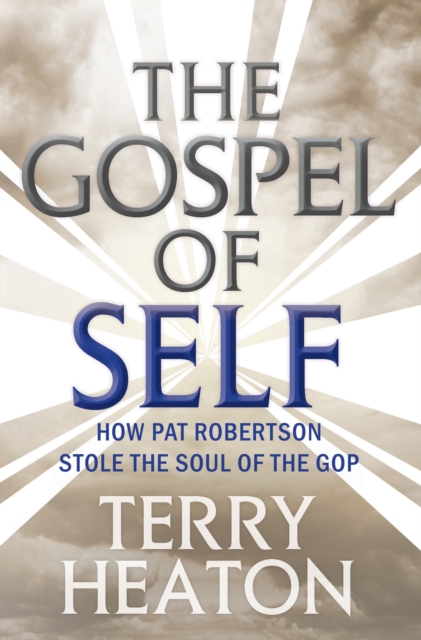
The inside story of how, using deliberate and strategic social engineering, The 700 Club moved Christians steadily into the Republican Party-and moved the party itself to the right.
When white nationalists and their supporters clashed with counter-demonstrators in the college town of Charlottesville over the removal of a Confederate statue, resulting in the death of one anti-racist activist and the wounding of thirty-five more, a signal moment in American history was reached.