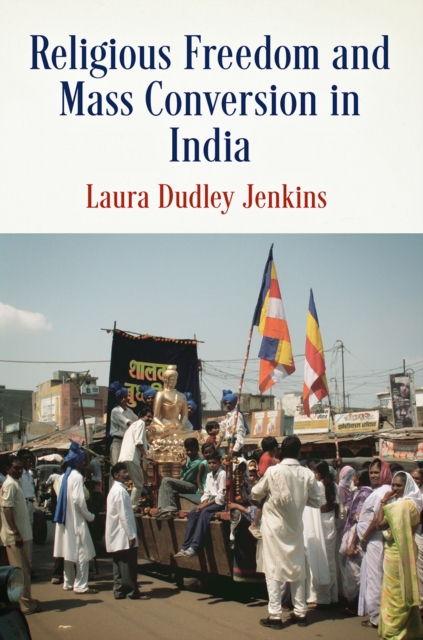
Hinduism is the largest religion in India, encompassing roughly 80 percent of the population, while 14 percent of the population practices Islam and the remaining 6 percent adheres to other religions.
Established in 1969, the Organization of Islamic Cooperation (OIC) is an intergovernmental organization the purpose of which is the strengthening of solidarity among Muslims.
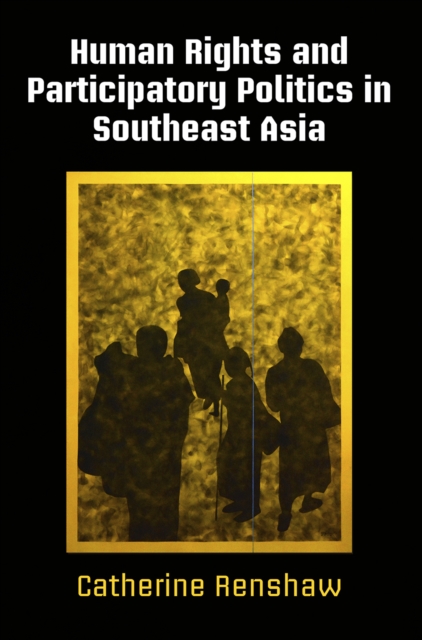
In Human Rights and Participatory Politics in Southeast Asia, Catherine Renshaw recounts an extraordinary period of human rights institution-building in Southeast Asia.
Over the past two decades, human rights as legal doctrine and practice has shifted its engagement with criminal law from a near exclusive condemnation of it as a source of harm toward increasingly invoking it as a necessary remedy for abuses.
In popular, legal, and academic discourses, the term "e;human rights"e; is now almost always discussed in relation to its opposite: human rights abuses.
Lawless elements are ascendant in Mexico, as evidenced by the operations of criminal cartels engaged in human and drug trafficking, often with the active support or acquiescence of government actors.
Realizing Roma Rights investigates anti-Roma racism and documents a growing Roma-led political movement engaged in building a more inclusive and just Europe.
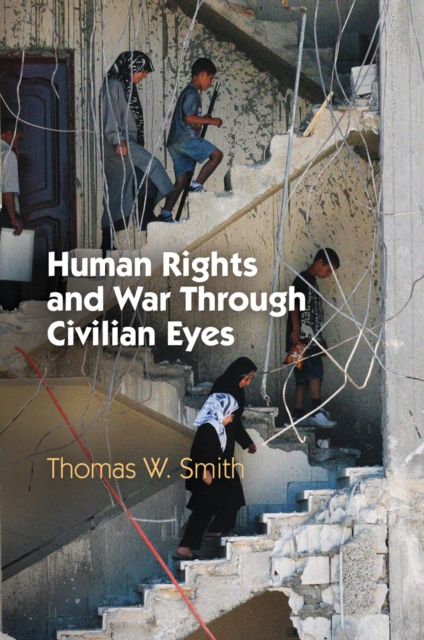
International lawyers and ethicists have long judged wars from the perspective of the state and its actions, developing international humanitarian law by asking such questions as "e;Are the belligerents justified in entering the conflict?
The fall of communism in the late 1980s and the end of the Cold War seemed to signal a new international social order built on pluralist democracy, the rule of law, and universal human rights.
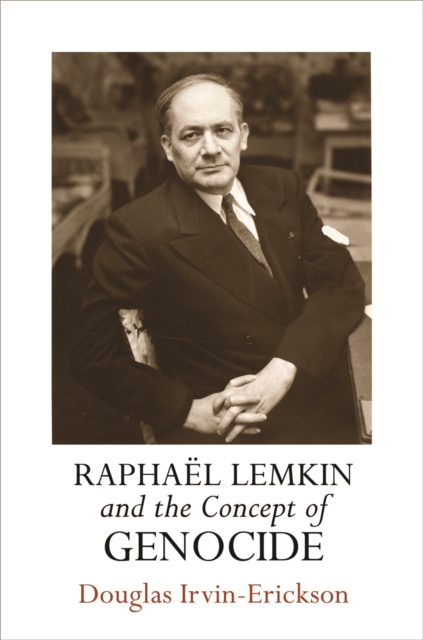
Raphal Lemkin (1900-1959) coined the word "e;genocide"e; in the winter of 1942 and led a movement in the United Nations to outlaw the crime, setting his sights on reimagining human rights institutions and humanitarian law after World War II.
On February 15, 2003, millions of people around the world demonstrated against the war that the United States, the United Kingdom, and their allies were planning to wage in Iraq.
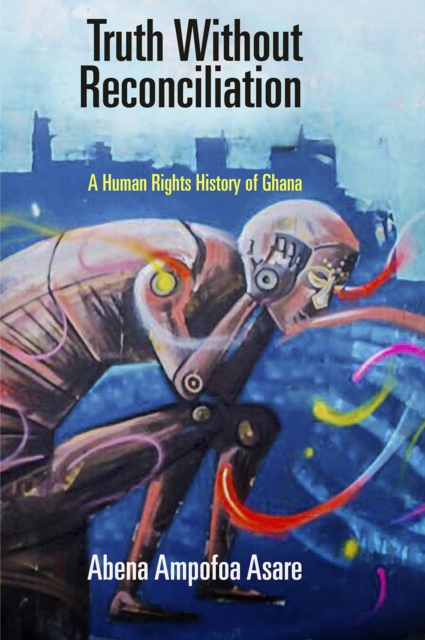
Although truth and reconciliation commissions are supposed to generate consensus and unity in the aftermath of political violence, Abena Ampofoa Asare identifies cacophony as the most valuable and overlooked consequence of this process in Ghana.
In Strategies of Compliance with the European Court of Human Rights, Andreas von Staden looks at the nature of human rights challenges in two enduring liberal democraciesGermany and the United Kingdom.
In Communists and Their Victims, Roman David identifies and examines four classes of justice measuresretributive, reparatory, revelatory, and reconciliatoryto discover which, if any, rectified the legacy of human rights abuses committed during the communist era in the Czech Republic.
The ruthless military dictatorship that ruled Argentina between 1976 and 1983 betrayed the country's people, presiding over massive disappearances of its citizenry and, in the process, destroying the state's trustworthiness as the guardian of safety and well-being.
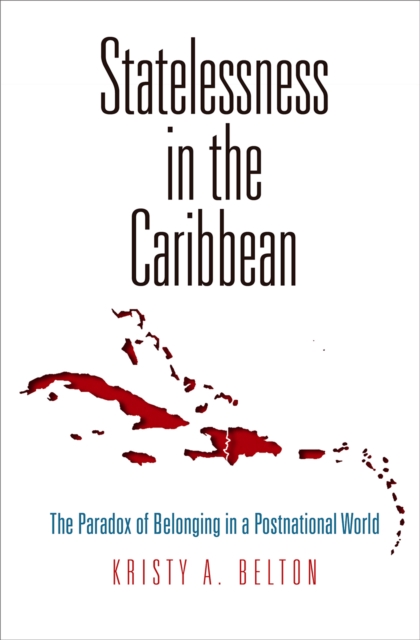
Without citizenship from any country, more than 10 million people worldwide are unable to enjoy the rights, freedoms, and protections that citizens of a state take for granted.
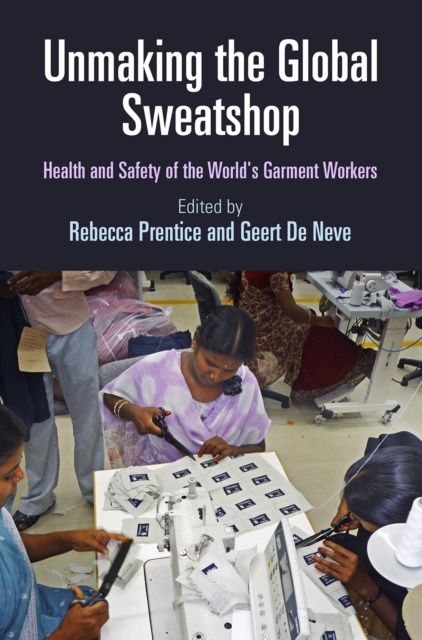
Anthropologists and ethnographers examine the global garment industry's impact on workers' well-beingThe 2013 collapse of Rana Plaza, an eight-story garment factory in Savar, Bangladesh, killed over a thousand workers and injured hundreds more.
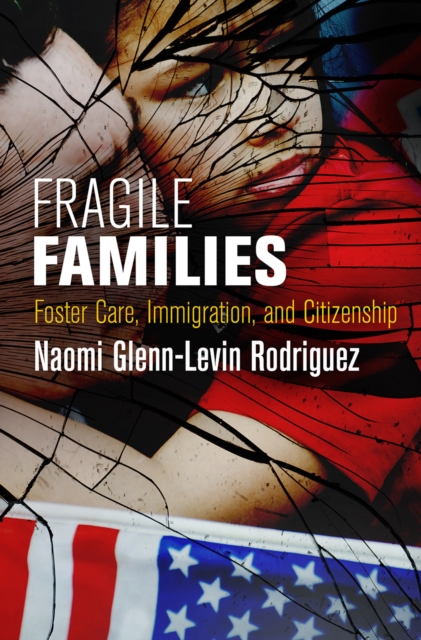
In the past decade, debates over immigrant rights and family rights, and accompanying concerns over birthright citizenship, have taken center stage in popular media and mainstream political debates.
Some of the most hotly contested international women's rights issues today arise from the movement of peoples from one country to another and the practices they purportedly bring with them.
Traces social, political, and economic changes among Sahrawi refugees in North AfricaSovereignty in Exile explores sovereignty and state power through the case of a liberation movement that set out to make itself into a state.
In 1948, two years before Cold War tensions resulted in the invasion of South Korea by North Korea that started the Korean War, the first major political confrontation between leftists and rightists occurred on the South Korean island of Cheju, where communist activists disrupted United Nations-sanctioned elections and military personnel were deployed.
Mexico ranks highly on many of the measures that have proven significant for creating a positive human rights record, including democratization, good health and life expectancy, and engagement in the global economy.
At the end of Liberia's thirteen-year civil war, the devastated population struggled to rebuild their country and come to terms with their experiences of violence.
Following the 1998 peace agreement in Northern Ireland, political violence has dramatically declined and the region has been promoted as a model for peacemaking.
When the regime led by Slobodan Miloevi came to an end in October 2000, expectations for social transformation in Serbia and the rest of the Balkans were high.
Ethnonationalist Conflict in Postcommunist States investigates why some Eastern European states transitioned to new forms of governance with minimal violence while others broke into civil war.
The American attitude toward human rights is deemed inconsistent, even hypocritical: while the United States is characterized (or self-characterized) as a global leader in promoting human rights, the nation has consistently restrained broader interpretations of human rights and held international enforcement mechanisms at arm's length.
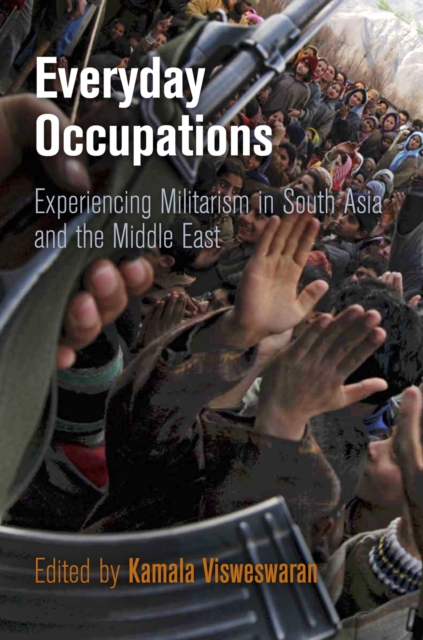
In the twenty-first century, political conflict and militarization have come to constitute a global social condition rather than a political exception.
Human Rights in the Shadow of Colonial Violence explores the relationship between the human rights movement emerging after 1945 and the increasing violence of decolonization.
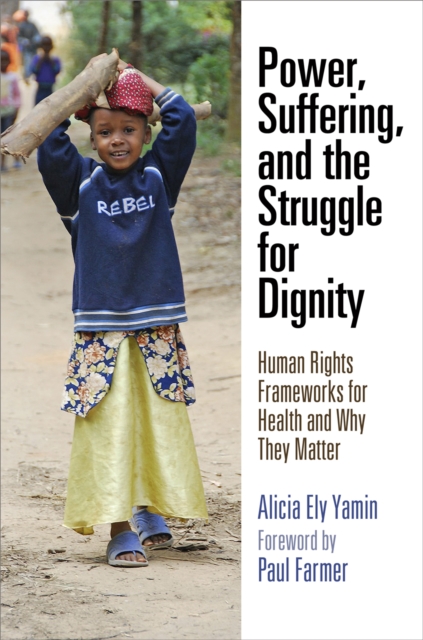
Directed at a diverse audience of students, legal and public health practitioners, and anyone interested in understanding what human rights-based approaches (HRBAs) to health and development mean and why they matter, Power, Suffering, and the Struggle for Dignity provides a solid foundation for comprehending what a human rights framework implies and the potential for social transformation it entails.
Reproductive Health and Human Rights: The Way Forward critically reflects on the past fifteen years of international efforts aimed at improving health, alleviating poverty, diminishing gender inequality, and promoting human rights.
Faced with the economic pressures of globalization, many countries have sought to curb the fundamental right of workers to join trade unions and engage in collective action.
Drawing on domestic and international law, as well as on judgments given by courts and human rights treaty bodies, Gender Stereotyping offers perspectives on ways gender stereotypes might be eliminated through the transnational legal process in order to ensure women's equality and the full exercise of their human rights.
Human rights activists frequently claim that human rights are indivisible, and the United Nations has declared the indivisibility, interdependency, and interrelatedness of these rights to be beyond dispute.
In response to a growing global awareness of human poverty and the increasing potential of human rights law as a tool that can be used by the poor to achieve their basic rights, the international body of law, policy and relevant standards on economic, social, and cultural rights has expanded markedly in recent years.