In recent years, influential studies have shown that the activities of human rights organizations are central in convincing violating governments to improve their practices.
Readers in Western developed countries are most familiar with abuses of political and civil rights, but the international human rights regime also embraces a set of laws regarding economic rights.
To come to Burma, one of the few places where despotism still dominates, is to take both a physical and an emotional journey and, like most Burmese, to become caught up in the daily management of fear.
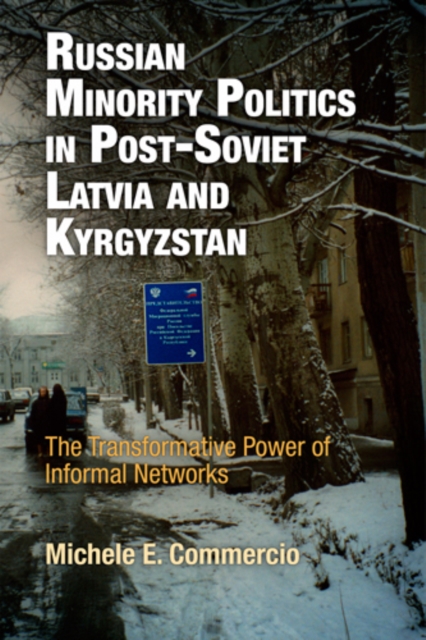
The collapse of the Soviet Union suddenly rendered ethnic Russians living in non-Russian successor states like Latvia and Kyrgyzstan new minorities subject to dramatic political, economic, and social upheaval.
Changes in human rights environments in Africa over the past decade have been facilitated by astounding political transformations: the rise of mass movements and revolts driven by democratic and developmentalist ideals, as well as mass murder and poverty perpetuated by desperate regimes and discredited global agencies.
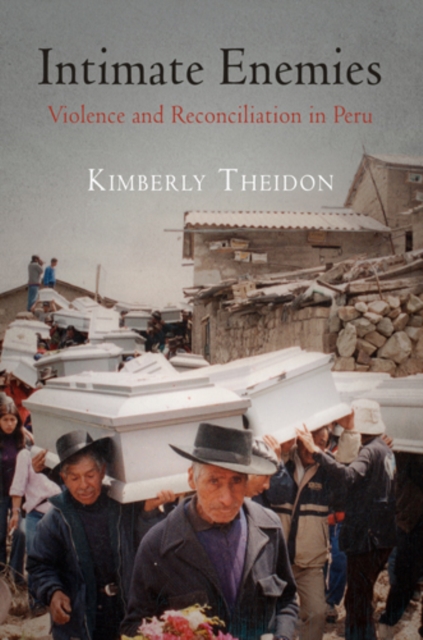
In the aftermath of a civil war, former enemies are left living side by sideand often the enemy is a son-in-law, a godfather, an old schoolmate, or the community that lies just across the valley.
Confronting the evils of World War II and building on the legacy of the 1776 Declaration of Independence and the 1789 French Declaration of the Rights of Man and of the Citizen, a group of world citizens including Eleanor Roosevelt drafted the Universal Declaration of Human Rights.
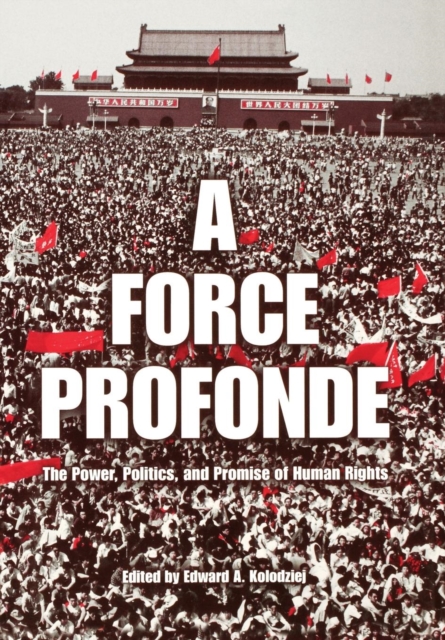
Presenting detailed portraits by leading authorities of the politics of human rights across the major regions of the globe, A Force Profonde: The Power, Politics, and Promise of Human Rights reveals human rights to be a force as powerful as capitalist markets and technological innovation in shaping global governance.
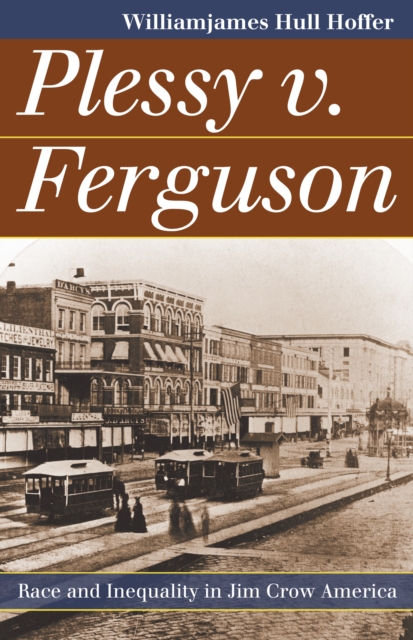
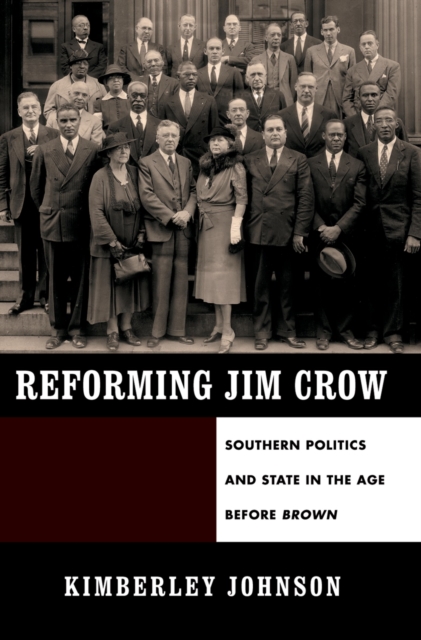
Six decades before Rosa Parks boarded her fateful bus, another traveler in the Deep South tried to strike a blow against racial discriminationbut ultimately fell short of that goal, leading to the Supreme Courts landmark 1896 decision in Plessy v.
A powerful portrait of the greatest humanitarian emergency of our time, from the director of Human FlowIn the course of making Human Flow, his epic feature documentary about the global refugee crisis, the artist Ai Weiwei and his collaborators interviewed more than 600 refugees, aid workers, politicians, activists, doctors, and local authorities in twenty-three countries around the world.
How China is using the US-led war on terror to erase the cultural identity of its Muslim minority in the Xinjiang regionWithin weeks of the September 11 attacks on New York and Washington, the Chinese government warned that it faced a serious terrorist threat from its Uyghur ethnic minority, who are largely Muslim.
How political protests and activism influence voters and candidatesThe "e;silent majority"e;-a phrase coined by Richard Nixon in 1969 in response to Vietnam War protests and later used by Donald Trump as a campaign slogan-refers to the supposed wedge that exists between protestors in the street and the voters at home.
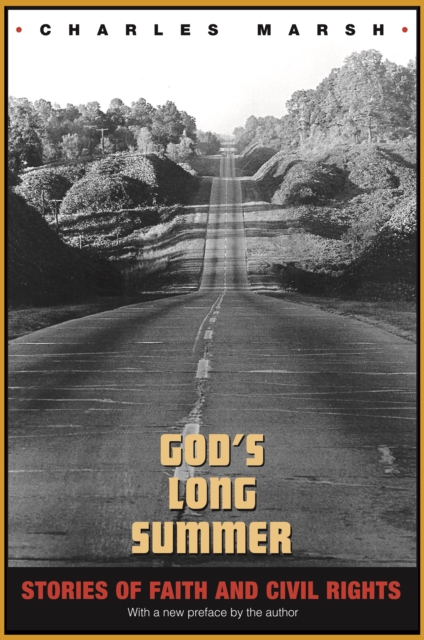
In the summer of 1964, the turmoil of the civil rights movement reached its peak in Mississippi, with activists across the political spectrum claiming that God was on their side in the struggle over racial justice.
A look at the duty of nations to protect human rights beyond borders, why it has failed in practice, and what can be done about itThe idea that states share a responsibility to shield people everywhere from atrocities is presently under threat.
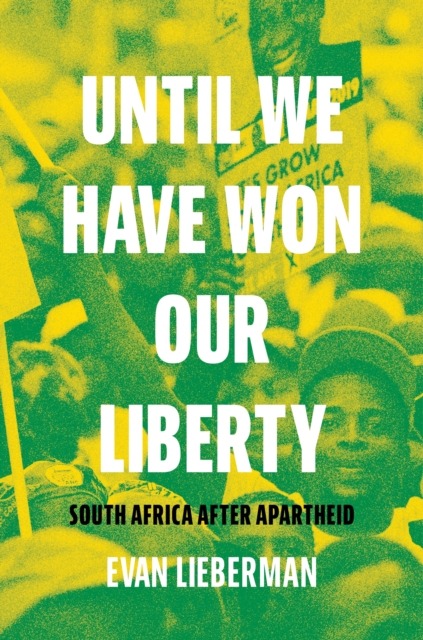
A compelling account of South Africa's post-Apartheid democracyAt a time when many democracies are under strain around the world, Until We Have Won Our Liberty shines new light on the signal achievements of one of the contemporary era's most closely watched transitions away from minority rule.
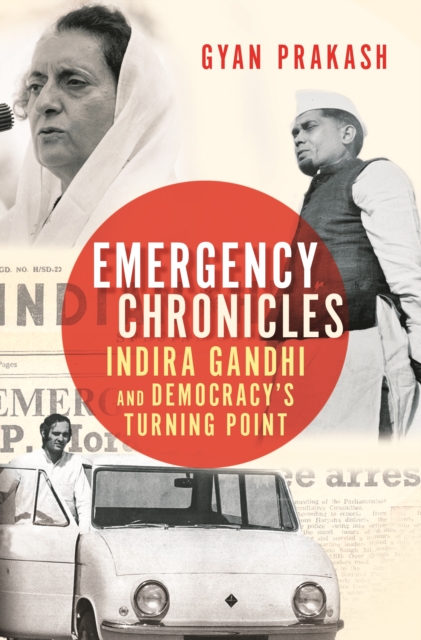
The gripping story of an explosive turning point in the history of modern IndiaOn the night of June 25, 1975, Indira Gandhi declared a state of emergency in India, suspending constitutional rights and rounding up her political opponents in midnight raids across the country.
An in-depth look at the historic and strategic deployment of rights in political conflicts throughout the worldRights are usually viewed as defensive concepts representing mankind's highest aspirations to protect the vulnerable and uplift the downtrodden.
A gripping behind-the-scenes account of the dramatic legal fight to hold leaders personally responsible for aggressive warOn July 17, 2018, starting an unjust war became a prosecutable international crime alongside genocide, crimes against humanity, and war crimes.
A global history of human rights in a world of nation-states that grant rights to some while denying them to othersOnce dominated by vast empires, the world is now divided into close to 200 independent countries with laws and constitutions proclaiming human rights-a transformation that suggests that nations and human rights inevitably developed together.
A moving, eye-opening polemic about the US-Mexico border and what happens to the tens of thousands of unaccompanied Mexican and Central American children arriving in the US without papers'We are driving across Oklahoma in early June when we first hear about the waves of children arriving, alone and undocumented, from Mexico and Central America.
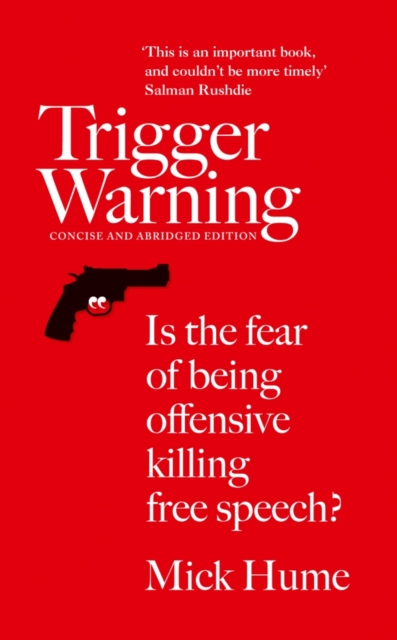
Concise and Abridged EditionIn this blistering polemic, veteran journalist Mick Hume presents an uncompromising defence of freedom of expression, which he argues is threatened in the West, not by jackbooted censorship but by a creeping culture of conformism and You-Can't-Say-That.
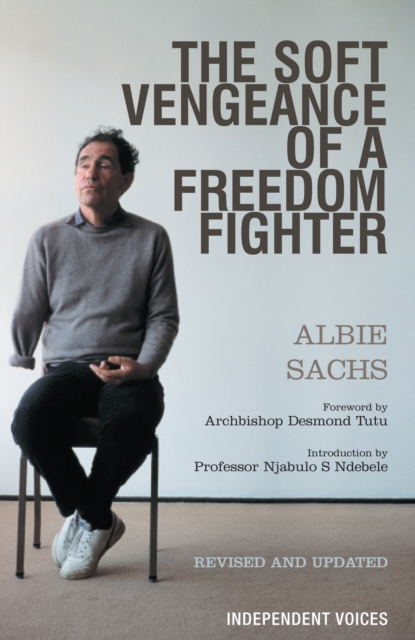
In 1988 after decades as an anti-apartheid activist and member of the ANC Albie Sachs lost his right arm and an eye when his car was blown up by South African security agents.
A popular myth emerged in the late 1990s: in 1900, wars killed one civilian for every eight soldiers, while contemporary wars were killing eight civilians for every one soldier.