This book, a follow-up publication to the 2016 volume Foreign Fighters under International Law and Beyond, zooms in on the responses that the international community and individual States are implementing in response to (prospective and actual) returning foreign fighters (FFs) and their families, focusing on returnees from Syria and Iraq to European countries.
I gave very little thought to the direction my early life was taking, yet some people considered me to be successful because I avoided the pitfalls of poverty, drugs, crime, and imprisonment.
This book proposes an interdisciplinary methodology for developing an intercultural use of law so as to include cultural differences and their protection within legal discourse; this is based on an analysis of the sensory grammar tacitly included in categorizations.
The UN Secretary-General, Kofi Annan, has instructed all UN specialized agencies and other affiliated organizations to consider how their work might advance the cause of human rights around the world.
Paradoxically, many governments that persistently violate human rights have also ratified international human rights treaties that empower their citizens to file grievances against them at the United Nations.
In 1948 the General Assembly of the United Nations adopted the Universal Declaration of Human Rights which declared that every human being, without "e;distinction of any kind,"e; possesses a set of morally authoritative rights and fundamental freedoms that ought to be socially guaranteed.
This book aims to determine UNESCO's capability to facilitate heritage protection measures pre-conflict, emergency response measures during conflict and reconstruction efforts post-conflict.
The third edition of Ethics & International Affairs provides a fresh selection of classroom resources, ideal for courses in international relations, ethics, foreign policy, and related fields.
Dieses Lehrbuch stellt zunächst eine Reihe von klassischen philosophischen Ansätzen vor, um zu zeigen, dass sie als Grundlage für die Menschenrechte ungeeignet sind.
This book engages in a theological critique of the legal frameworks and theoretical approaches of Australia, the US and England to create a peaceful coexistence of difference which supports both religious freedom and equality.
This book engages in a theological critique of the legal frameworks and theoretical approaches of Australia, the US and England to create a peaceful coexistence of difference which supports both religious freedom and equality.
En los últimos años, se ha suscitado un amplio debate en torno al impacto del Régimen de Zonas Francas (ZF) en el desarrollo económico del país, siendo objeto de análisis y discusión en la academia, las organizaciones civiles y el ámbito gubernamental.
This book aims to determine UNESCO's capability to facilitate heritage protection measures pre-conflict, emergency response measures during conflict and reconstruction efforts post-conflict.
A Brookings Institution Press and the Computer Ethics Institute publicationCan we safeguard our nation's security without weakening cherished liberties?
In the late 1970s when Mao's Cultural Revolution ushered in China's reform era, religion played a small role in the changes the country was undergoing.
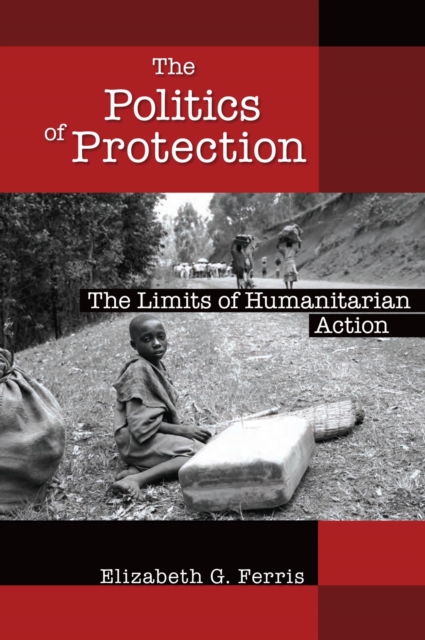
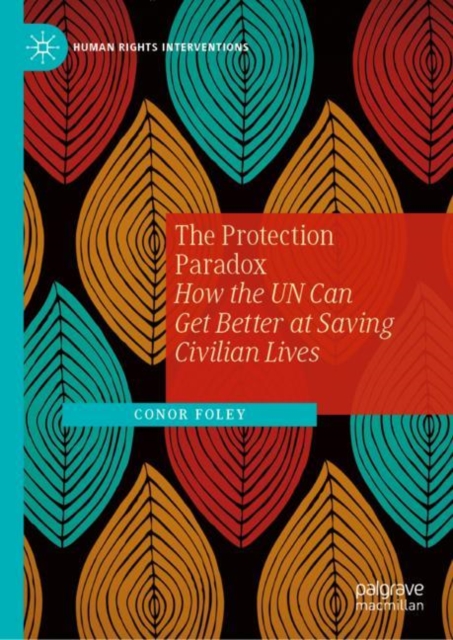
For the past decade, humanitarian actors have increasingly sought not only to assist people affected by conflicts and natural disasters, but also to protect them.
In the great tradition of moral argument about the nature of the economic market, Rebecca Blank and William McGurn join to debate the fundamental questionsequality and efficiency, productivity and social justice, individual achievement and personal rights in the workplace, and the costs and benefits of corporate and entrepreneurial capitalism.
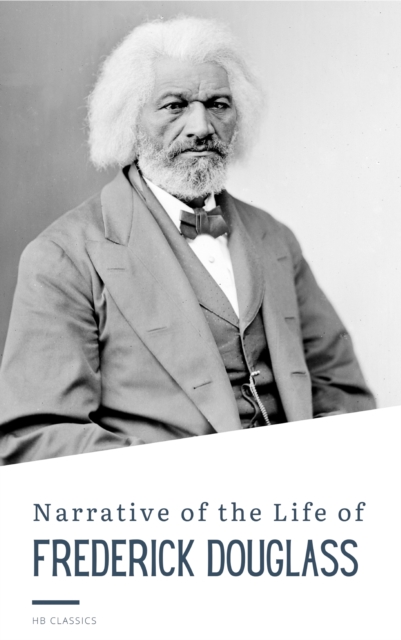
Step back in time and experience the powerful story of one man's journey from slavery to freedom with the Kindle edition of Narrative of the Life of Frederick Douglass.
Many people are familiar with the story of Jewish support for the American civil rights movement, but this history has another side-one that has not been fully told until now.
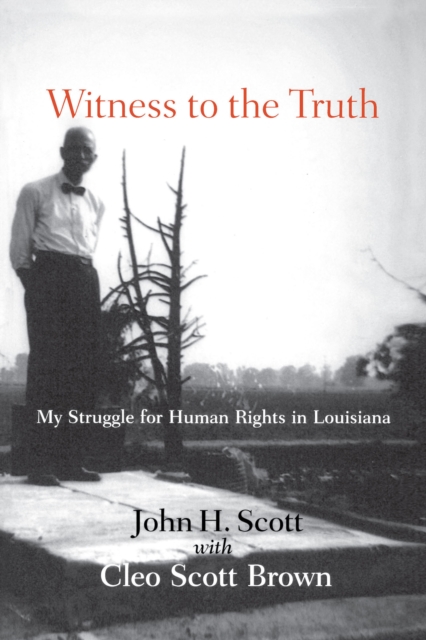
The inspirational saga of one man's fight for civil rights for African Americans in LouisianaWitness to the Truth tells the extraordinary life story of a grassroots human rights leader and his courageous campaign to win the right to vote for the African Americans of Lake Providence, Louisiana.
The progress towards women's equality has been hard-won, but the capitalist system has been able to absorb, even incorporate many of these gains to its own advantage, as is shown in Yassamine Mather's essays in this book.
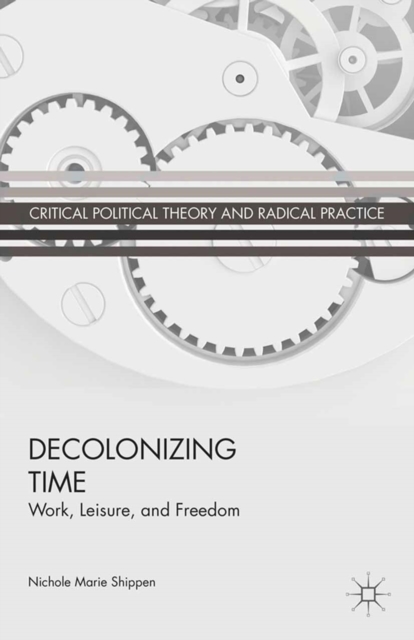
Decolonizing Time: Work, Leisure, and Freedom demonstrates the importance of time as a central category for political theory, providing not only a history of the fight for time through political, feminist, and critical theory, but also assessing this tradition in the context of the United States.
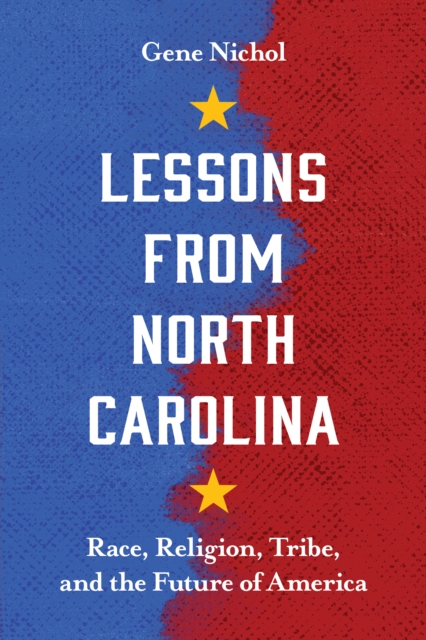
North Carolina had a big, unfortunate headstart on now-common attacks on democratic institutionsthe lessons learned as NC makes its way out of the chaos can benefit other states.
This book offers a comprehensive analysis of the legal questions that arise for the legislative branch when implementing the crime of aggression into domestic law.
The Secular Contract seeks to defend the European Enlightenment's secularization of political philosophy by promoting an understanding of Enlightenment secular liberalism and extending it to contemporary issues.
This book explores how the law and the institutions of the criminal justice system expose minorities to different types of violence, either directly, through discrimination and harassment, or indirectly, by creating the conditions that make them vulnerable to violence from other groups of society.
The aim of the book is to resolve the question of whether multiple sanctioning systems are contrary to the ne bis in idem under the regulation provided by Protocol 7 to the ECHR and the EU Charter of Fundamental Rights.
This volume brings together 11 experts from a range of religious backgrounds, to consider how each tradition has interpreted matters of violence and peace in relation to its sacred text.