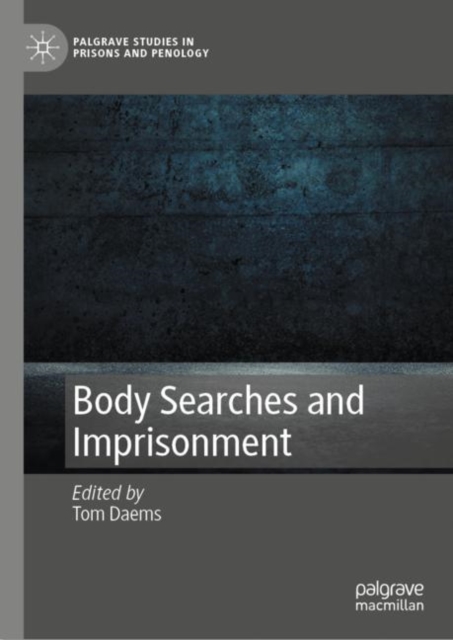
This book explores and addresses body search practices in prison environments from different angles (criminology, sociology, human rights and law) and discusses such practices in different national contexts within Europe.
COVID-19: Individual Rights and Community Responsibilities provides critical insights into the tensions between individual rights and community responsibilities during the COVID-19 pandemic.
COVID-19: Individual Rights and Community Responsibilities provides critical insights into the tensions between individual rights and community responsibilities during the COVID-19 pandemic.
Independence from colonial rule did not usher in the halcyon days many North Africans had hoped for, as the new governments in Morocco, Tunisia, and Algeria soon came to rely on repression to reinforce and maintain power.
This book provides an expanded conceptualization of legalization that focuses on implementation of obligation, precision, and delegation at the international and domestic levels of politics.
Grounded in extensive interviews, longitudinal methods, historical analysis, and archival work, Mikaela Luttrell-Rowland shows how two distinct groups of working young people in Lima, Peru have become political protagonists, resisting and critiquing the daily inequality and injustice they face.
Navigate through the sacred, the impossible, and the unexpected in these hard-won reflections on parenting with humility, connection, resilience and joy.
Based on ethnographic observations of encounters between social workers and people with whom they do not have a shared language, this book analyzes the impact of language discordance on the quality of professional service provision.
Based on ethnographic observations of encounters between social workers and people with whom they do not have a shared language, this book analyzes the impact of language discordance on the quality of professional service provision.
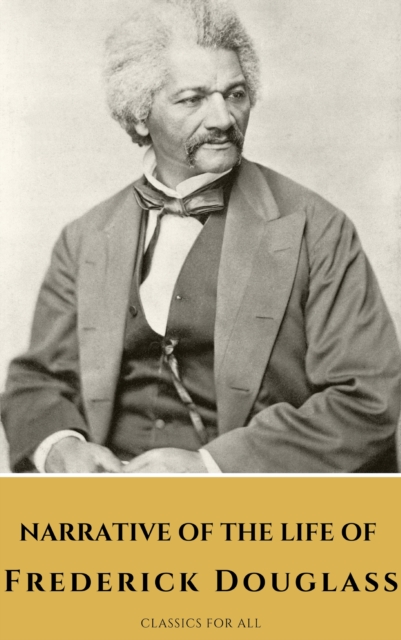
Step back in time and experience the powerful story of one man's journey from slavery to freedom with the Kindle edition of Narrative of the Life of Frederick Douglass.
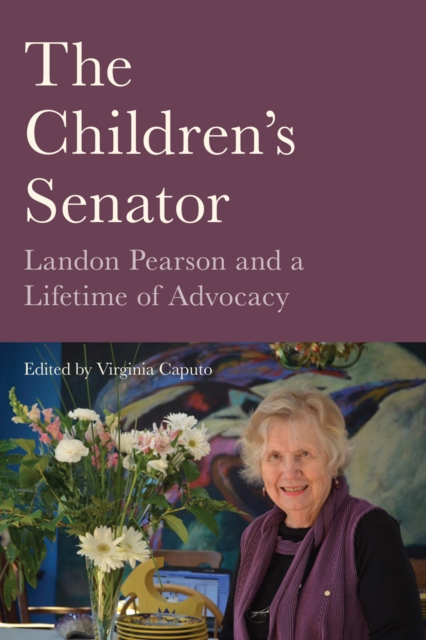
The Honourable Landon Pearson's domestic and global advocacy efforts with, for, and on behalf of children and young people have unfolded over a period of sixty years including thirty years in the Canadian Foreign Service and eleven years in the Senate of Canada.
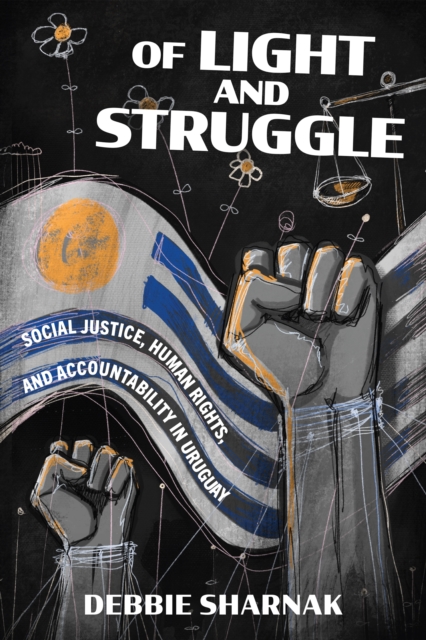
During the country's dictatorship from 1973 to 1985, Uruguayans suffered under crushing repression, which included the highest rate of political incarceration in the world.
This is the first book to focus primarily on George Orwell's ideas about free speech and related matters - freedom of the press, the writer's freedom of expression, honesty and truthfulness - and, in particular, the ways in which they are linked to his political vision of socialism.
This is the first book to focus primarily on George Orwell's ideas about free speech and related matters - freedom of the press, the writer's freedom of expression, honesty and truthfulness - and, in particular, the ways in which they are linked to his political vision of socialism.
«Este libro reúne textos de Joseph Ratzinger/Benedicto XVI en torno a un hilo conductor: su gran apuesta —a los creyentes y a los no creyentes— de vivir y organizar nuestra convivencia 'como si Dios existiera'.
Cuando comencé a escribir este libro pensé en cómo poder llevar un tema tan universal como los derechos humanos a historias concretas de la vida cotidiana que viven miles y miles de personas en todo el globo terráqueo.
During the country's dictatorship from 1973 to 1985, Uruguayans suffered under crushing repression, which included the highest rate of political incarceration in the world.
Shall Not be Infringed: The New Assaults on Your Second Amendment is a history of the relatively short gun control debate in America and a revealing description of how those hostile to the Second Amendment use polls, studies, and numbers to confuse the public.
This book offers a comprehensive summary of extant international law scholarship on the topics of self-determination and secession and positions the concepts among present-day theory and relevant practice, illustrated through various ongoing cases and historical examples.
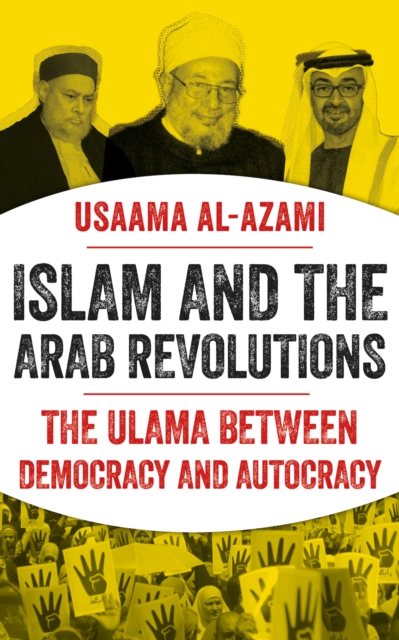
The Arab revolutions of 2011 were a transformative moment in the modern history of the Middle East, as people rose up against long-standing autocrats throughout the region to call for bread, freedom and dignity.