Una de las discusiones que perdura desde el fin de la última dictadura militar en la Argentina es la que se refiere a la naturaleza criminal de los actos perpetrados desde el Estado en aquel período.
This book examines the roots of systemic aggression against women in contemporary Mexico, and the connection between social practices and the institutional permissiveness of the Mexican State with regard to gendered violence.
The phenomenon of child trafficking holds a unique position as an issue of significant contemporary relevance, occupying a principal place in debates about human rights today.
This cutting-edge book examines the unique issues that transgender identities face globally in the criminal processing system through empirical and theoretical contributions.
When Misfortune Becomes Injustice surveys the progress and challenges in deploying human rights to advance health and social equality over recent decades.
This volume foregrounds some of the unknown or lesser-known incidents of xenophobia and genocide from India, Bangladesh, Sri Lanka, South Africa, and Rwanda.
This book provides a space for victims' testimonies and memories, engages with their experiences, reflects upon the redress movement, and evaluates policies related to Korean comfort women as victims and survivors from the international, domestic, and bilateral realms.
This is the first scholarly book to examine the UN Sustainable Development Goals from an indigenous perspective and, specifically, with reference to the right to self-determination.
From the rise of constitutionalism during the rule of despotic Qajars, foreign invasions, the Pahlavi regimes' destructive politics, economic, cultural and social modernization efforts and the oil nationalization movement, to the Iranian Revolution, its high hopes, broken promises, repression and intolerance causing national discontent and another socio-political upheaval today, the history of modern Iran has been eventful, unstable and turbulent.
From the rise of constitutionalism during the rule of despotic Qajars, foreign invasions, the Pahlavi regimes' destructive politics, economic, cultural and social modernization efforts and the oil nationalization movement, to the Iranian Revolution, its high hopes, broken promises, repression and intolerance causing national discontent and another socio-political upheaval today, the history of modern Iran has been eventful, unstable and turbulent.
This volume foregrounds some of the unknown or lesser-known incidents of xenophobia and genocide from India, Bangladesh, Sri Lanka, South Africa, and Rwanda.
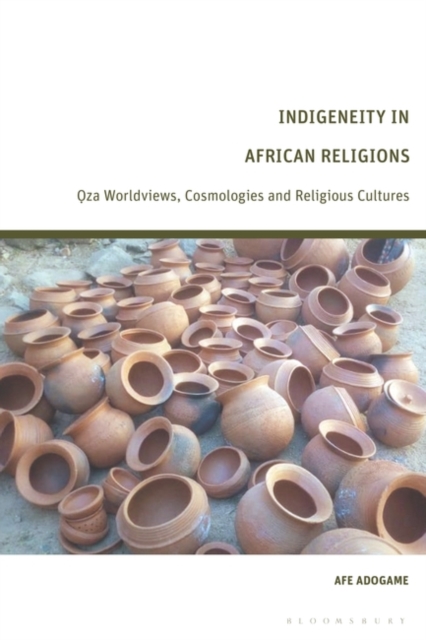
Based on religious ethnography, in-depth interviews and archival data, Indigeneity in African Religions explores the historical origins, worldviews, cosmologies, ritual symbolism and praxis of the indigenous Oza people in South West Nigeria.
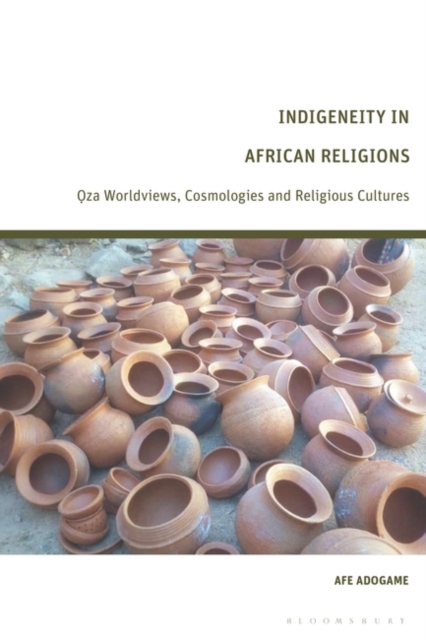
Based on religious ethnography, in-depth interviews and archival data, Indigeneity in African Religions explores the historical origins, worldviews, cosmologies, ritual symbolism and praxis of the indigenous Oza people in South West Nigeria.
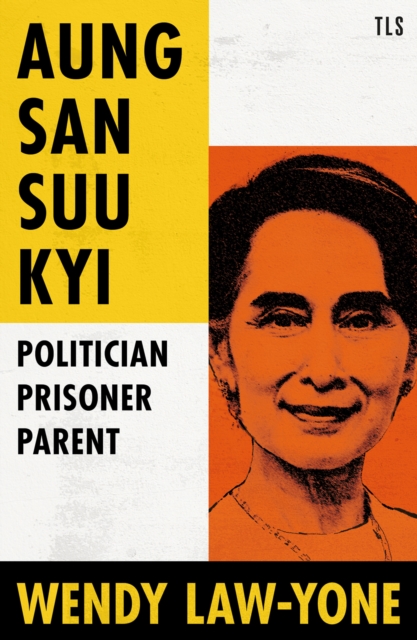
POLITICIAN * PRISONER * PARENTA portrait of one of the most charismatic, but unknown, world leadersAung San Suu Kyi, Nobel Peace Prize laureate and crusader for democracyin Myanmar, is once again behind bars.
Los artículos, libros y compilaciones sobre temas de derechos humanos, justicia internacional y ética global ocupan un espacio cada vez más destacado en el debate académico e intelectual contemporáneo.
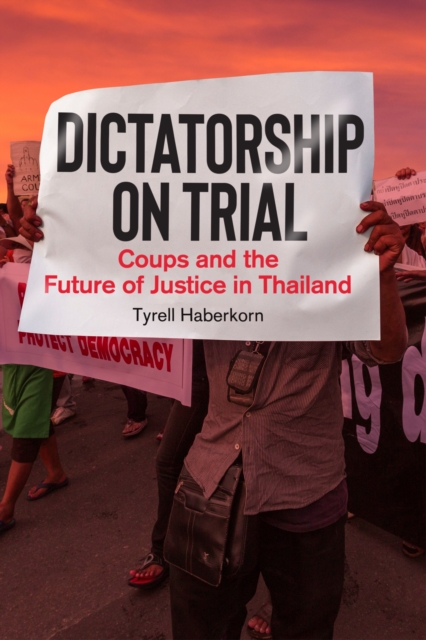
In 2014, after a decade of political turmoil, the National Council for Peace and Order (NCPO) carried out Thailand's 13th coup since the country's transformation from absolute to constitutional monarchy in 1932.
Wir stecken momentan in der größten Krise seit dem zweiten Weltkrieg: Corona, Impfdesaster, Ukrainekrieg, Nahostkrieg, Inflation, Rezession – all das hängt miteinander zusammen.
Dive deep into the vast expanse of intellectual thought with "e;Aristotle's Complete Works,"e; a comprehensive eBook that brings together the works of Aristotle, one of the most revered philosophers in history.
This book uses empirical data gathered using ethnographic methods in two contrasting prisons to provide a rare insight into death and dying in prisons in the UK.
Algunos temas empíricos de investigación no han recibido hasta el momento un abordaje sistemático por parte de las ciencias histórico-sociales en Argentina.
This book uses empirical data gathered using ethnographic methods in two contrasting prisons to provide a rare insight into death and dying in prisons in the UK.
This book examines both border policies and oppositional narratives of "e;the border,"e; 2011-2021, demonstrating that the term designates not merely a line of territorial control but also a set of social relations shaped by persistent, racially differentiated colonial structures and, more recently, by neoliberal modes of accumulation.
This book explores how prison life is normalized in different countries, with a critical and detailed look at 'Scandinavian exceptionalism' - the idea that Scandinavian prisons have exceptionally humane conditions - and compares these prisons to ones in Belgium.
This cutting-edge book examines the unique issues that transgender identities face globally in the criminal processing system through empirical and theoretical contributions.
In recent years, there has been an upsurge in the number of forced displacements due to natural disasters, armed conflicts, and pandemics, which has favoured an increase in the number of temporary accommodations.
This book provides a space for victims' testimonies and memories, engages with their experiences, reflects upon the redress movement, and evaluates policies related to Korean comfort women as victims and survivors from the international, domestic, and bilateral realms.
In this sweeping international perspective on reparations, Time for Reparations makes the case that past state injusticebe it slavery or colonization, forced sterilization or widespread atrocitieshas enduring consequences that generate ongoing harm, which needs to be addressed as a matter of justice and equity.
In 1948 the United Nations adopted the Universal Declaration of Human Rights, and with it a profusion of norms, processes, and institutions to define, promote, and protect human rights.