Many human rights advocates agree that conventional advocacy tools- reporting abuses to international tribunals or shaming the perpetrators of human rights violations-have proven ineffective.
Not only does government bureaucracy often make hiring a cumbersome, slow-moving process, but poor performers enjoy more protection from losing their jobs than their counterparts outside of government.
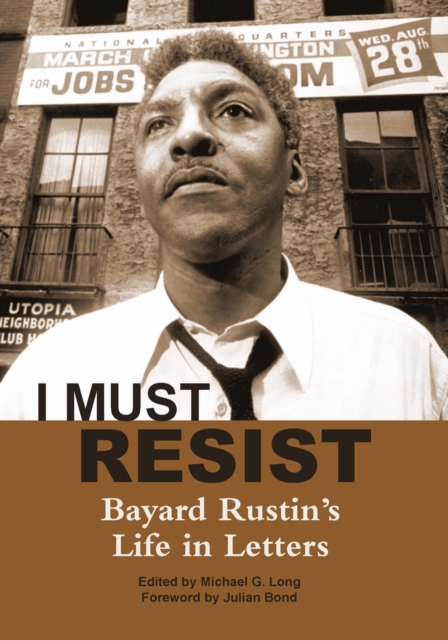
BAYARD RUSTIN POSTHUMOUSLY AWARDED THE 2013 PRESIDENTIAL MEDAL OF FREEDOMA master strategist and tireless activist, Bayard Rustin is best remembered as the organizer of the 1963 March on Washington, one of the largest nonviolent protests ever held in the United States.
Signed into law in 2000, the Trafficking Victims Protection Act (TVPA) defined the crime of human trafficking and brought attention to an issue previously unknown to most Americans.
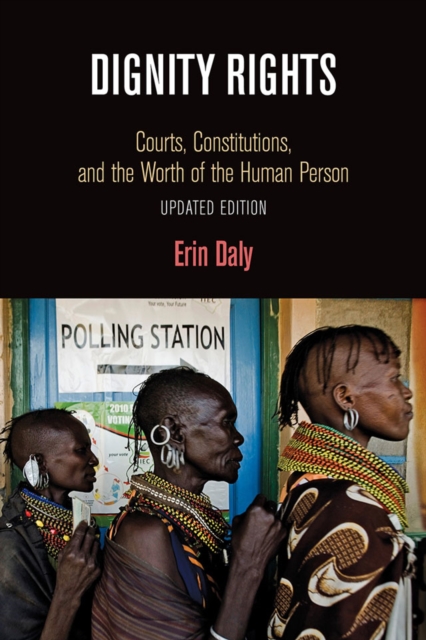
We live in a time when the most appalling social injustices and unjust human sufferings no longer seem to generate the moral indignation and the political will needed both to combat them effectively and to create a more just and fair society.
Understanding the various meanings given to human and citizenship rights in Argentina is an important task, particularly so given the nation's prominence in global discussions.
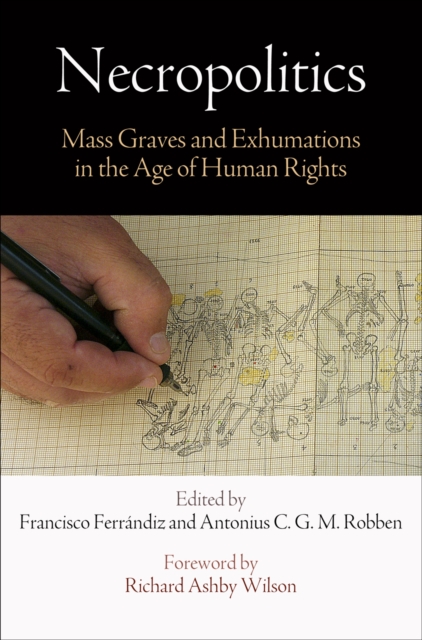
The unmarked mass graves left by war and acts of terror are lasting traces of violence in communities traumatized by fear, conflict, and unfinished mourning.
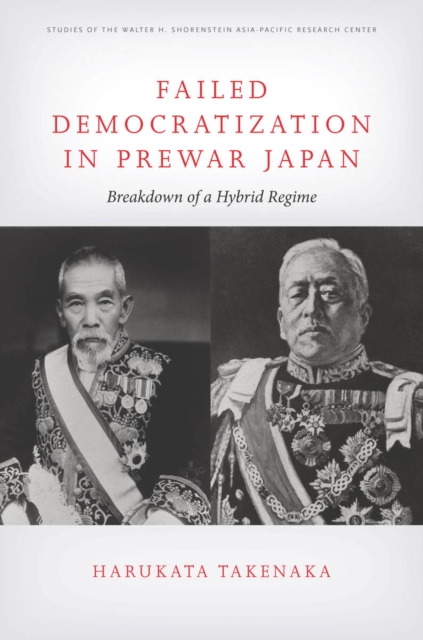
Failed Democratization in Prewar Japan presents a compelling case study on change in political regimes through its exploration of Japan's transition to democracy.
Lawless elements are ascendant in Mexico, as evidenced by the operations of criminal cartels engaged in human and drug trafficking, often with the active support or acquiescence of government actors.
A study of strategies implemented in local, regional, and international human rights campaigns elucidating how advocates were able to achieve their goals.
The massacres that spread across Algeria in 1997 and 1998 shocked the world, both in their horror and in the international community's failure to respond.
Shifting power balances in the world are shaking the foundations of the liberal international order and revealing new fault lines at the intersection of human rights and international security.
The Outcast Majority invites policymakers, practitioners, academics, students, and others to think about three commanding contemporary issues-war, development, and youth-in new ways.
The mass graves from our long human history of genocide, massacres, and violent conflict form an underground map of atrocity that stretches across the planet's surface.
Decentering Citizenship follows three groups of Filipina migrants' struggles to belong in South Korea: factory workers claiming rights as workers, wives of South Korean men claiming rights as mothers, and hostesses at American military clubs who are excluded from claims-unless they claim to be victims of trafficking.
This study explores the intersection of politics, religious thought, and religious culture in pre-revolutionary England, using hitherto unknown or overlooked manuscripts and printed material to reconstruct and contextualize a forgotten but highly significant antinomian religious subculture that evolved at the margins of the early seventeenth-century puritan community.
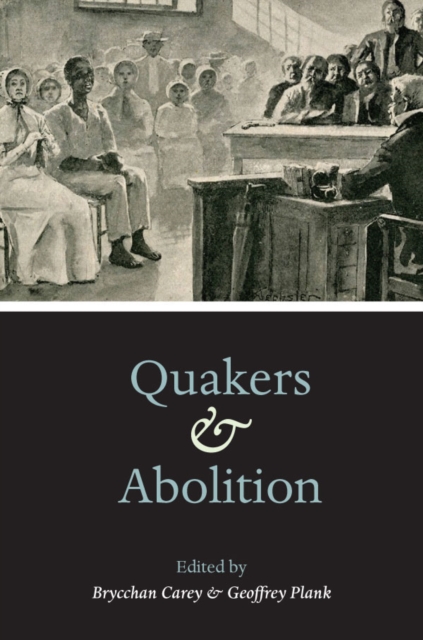
This collection of fifteen insightful essays examines the complexity and diversity of Quaker antislavery attitudes across three centuries, from 1658 to 1890.
An urgent and timely story of the contentious politics of incorporating environmental justice into global climate change policy Although the science of climate change is clear, policy decisions about how to respond to its effects remain contentious.
A compelling argument that the Internet of things threatens human rights and security The Internet has leapt from human-facing display screens into the material objects all around us.
A stunningly original look at the forgotten Jewish political roots of contemporary international human rights, told through the moving stories of five key activists The year 2018 marks the seventieth anniversary of two momentous events in twentieth-century history: the birth of the State of Israel and the creation of the Universal Declaration of Human Rights.
From a distinguished historian, a detailed and compelling examination of how the early Republic struggled with the idea that “all men are created equal” How did Americans in the generations following the Declaration of Independence translate its lofty ideals into practice?
In an appearance on The Dick Cavett Show in 1980, the critic Mary McCarthy glibly remarked that every word author Lillian Hellman wrote was a lie, "e;including 'and' and 'the.
A leading legal scholar explores how the constitutional right to seek justice has been restricted by the Supreme Court The Supreme Court’s decisions on constitutional rights are well known and much talked about.
Why we cannot truly implement human rights unless we also recognize human responsibilities When we debate questions in international law, politics, and justice, we often use the language of rights—and far less often the language of responsibilities.
While the number of federally recognized Native nations in the United States are increasing, the population figures for existing tribal nations are declining.