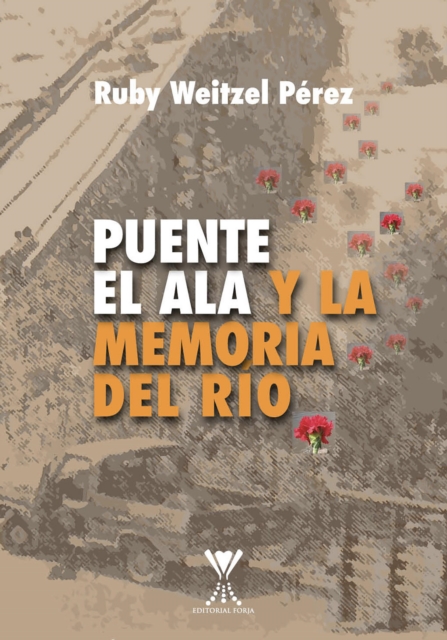
Este libro presenta fragmentos de las historias de hijos, esposos, padres, hermanos y de dos mujeres, una de ellas con un hijo en gestación, que caminaron sobre suelos chillanejos hasta que un día sus vidas fueron truncadas por un poder irracional.
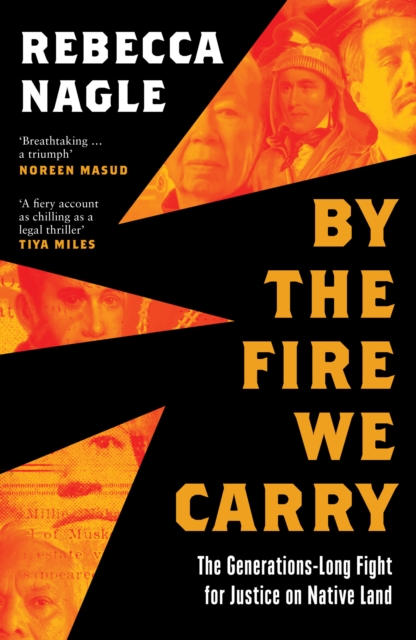
THE INTERNATIONAL BESTSELLERLONGLISTED FOR THE WOMEN'S PRIZE FOR NONFICTIONA New Yorker Best Book of 2024 * An Esquire Best Book of Fall 2024 * Longlisted for the Andrew Carnegie Medal for Excellence in Nonfiction * Finalist for the National Book Critics Circle John Leonard First Book Prize'Reads like a legal thriller' ESQUIRE'As propulsive and affecting as it is infuriating' VANITY FAIRA powerful work of reportage and American history that braids together the story of the forced removal of Native Americans onto treaty lands in the nation's earliest days, and a small-town murder in the 1990s that led to a Supreme Court ruling reaffirming Native rights to that land more than a century later.
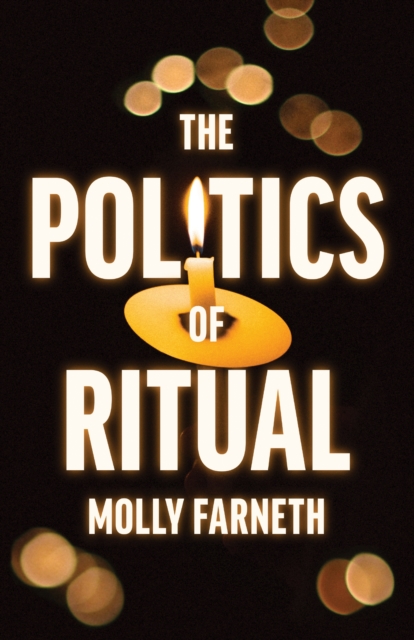
An illuminating look at the transformative role that rituals play in our political livesThe Politics of Ritual is a major new account of the political power of rituals.
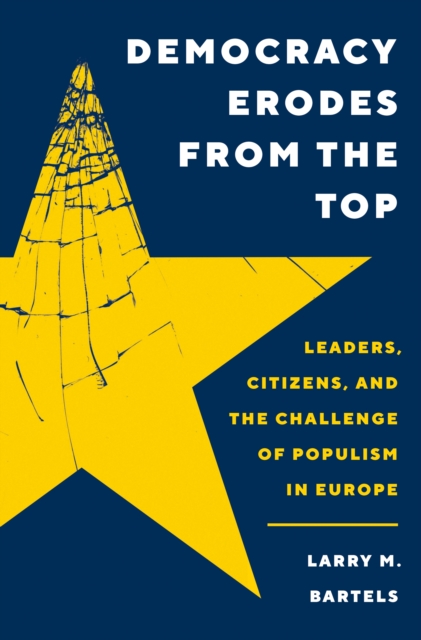
Why leaders, not citizens, are the driving force in Europe's crisis of democracyAn apparent explosion of support for right-wing populist parties has triggered widespread fears that liberal democracy is facing its worst crisis since the 1930s.
An original defense of the unique value of voting in a democracyVoting is only one of the many ways that citizens can participate in public decision making, so why does it occupy such a central place in the democratic imagination?
How a nineteenth-century lawsuit over the estate of a wealthy Tunisian Jew shines new light on the history of belongingIn the winter of 1873, Nissim Shamama, a wealthy Jew from Tunisia, died suddenly in his palazzo in Livorno, Italy.
An innovative framework for advancing human rights Human rights are among our most pressing issues today, yet rights promoters have reached an impasse in their effort to achieve rights for all.
A comprehensive history of censorship in modern BritainFor Victorian lawmakers and judges, the question of whether a book should be allowed to circulate freely depended on whether it was sold to readers whose mental and moral capacities were in doubt, by which they meant the increasingly literate and enfranchised working classes.
This work is the first systematic attempt to measure the impact of the Voting Rights Act of 1965, commonly regarded as the most effective civil rights legislation of the century.
A compelling account of how a group of Hasidic Jews established its own local government on American soilSettled in the mid-1970s by a small contingent of Hasidic families, Kiryas Joel is an American town with few parallels in Jewish historybut many precedents among religious communities in the United States.
Why violence in the Congo has continued despite decades of international intervention Well into its third decade, the military conflict in the Democratic Republic of the Congo has been dubbed a "e;forever war"e;-a perpetual cycle of war, civil unrest, and local feuds over power and identity.
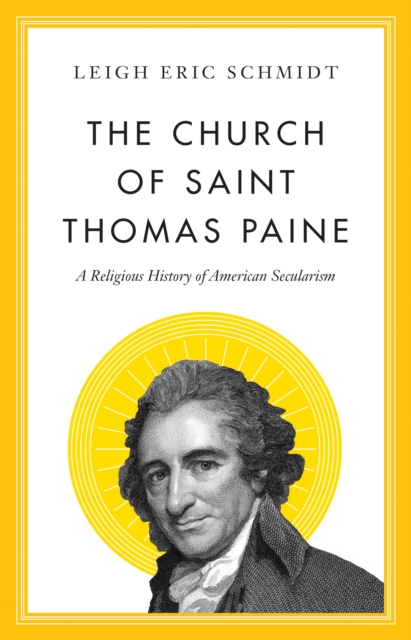
The forgotten story of the nineteenth-century freethinkers and twentieth-century humanists who tried to build their own secular religionIn The Church of Saint Thomas Paine, Leigh Eric Schmidt tells the surprising story of how freethinking liberals in nineteenth-century America promoted a secular religion of humanity centered on the deistic revolutionary Thomas Paine (1737-1809) and how their descendants eventually became embroiled in the culture wars of the late twentieth century.
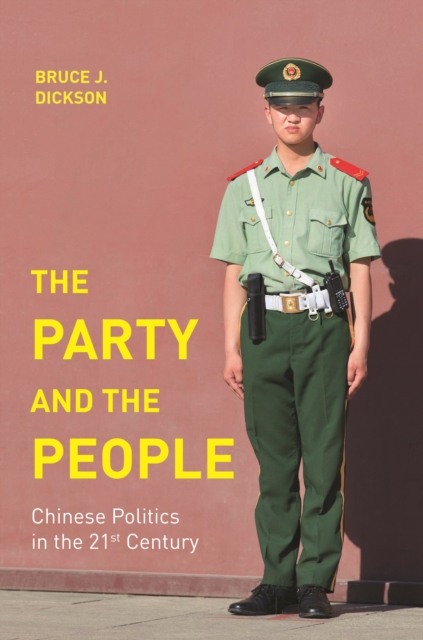
How the Chinese Communist Party maintains its power by both repressing and responding to its peopleSince 1949, the Chinese Communist Party (CCP) has maintained unrivaled control over the country, persisting even in the face of economic calamity, widespread social upheaval, and violence against its own people.
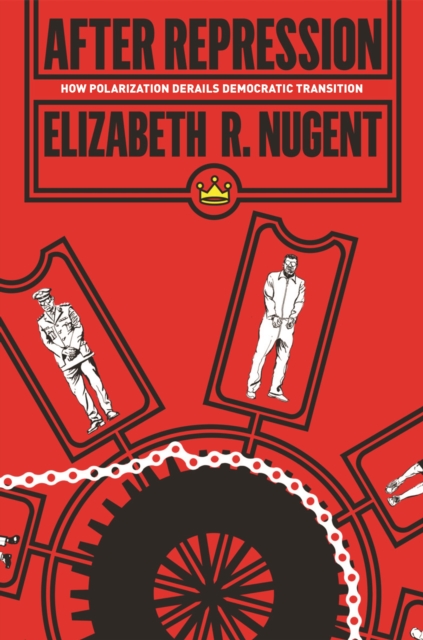
How differing forms of repression shape the outcomes of democratic transitionsIn the wake of the Arab Spring, newly empowered factions in Tunisia and Egypt vowed to work together to establish democracy.
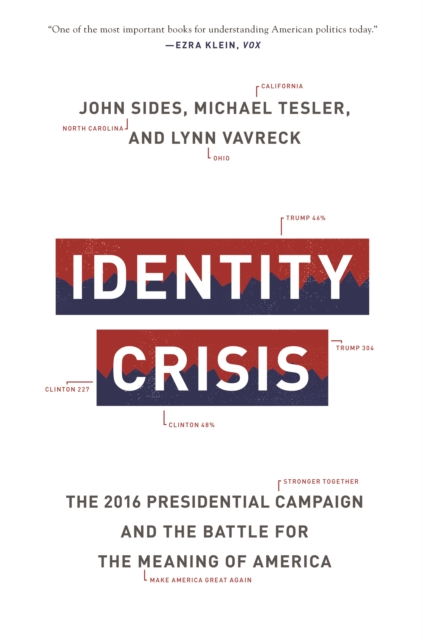
A gripping in-depth look at the presidential election that stunned the worldDonald Trump's election victory resulted in one of the most unexpected presidencies in history.
A fascinating history of the international human rights movement as seen by one of its foundersDuring the past several decades, the international human rights movement has had a crucial hand in struggles against totalitarian regimes and crimes against humanity.
From New York Times bestselling author Cass Sunstein, a brisk, provocative book that shows what freedom really means-and requires-todayIn this pathbreaking book, New York Times bestselling author Cass Sunstein asks us to rethink freedom.
The first comprehensive history of how Jews became citizens in the modern worldFor all their unquestionable importance, the Holocaust and the founding of the State of Israel now loom so large in modern Jewish history that we have mostly lost sight of the fact that they are only part of-and indeed reactions to-the central event of that history: emancipation.
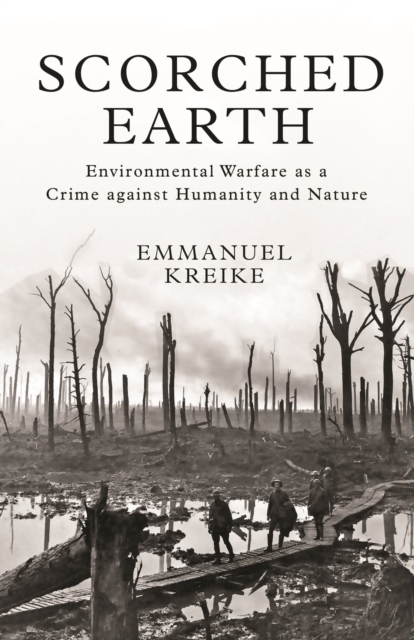
A global history of environmental warfare and the case for why it should be a crimeThe environmental infrastructure that sustains human societies has been a target and instrument of war for centuries, resulting in famine and disease, displaced populations, and the devastation of people's livelihoods and ways of life.
An examination of the intertwined lives and writings of a group of prominent twentieth-century Jewish thinkers who experienced exile and migrationExile, Statelessness, and Migration explores the intertwined lives, careers, and writings of a group of prominent Jewish intellectuals during the mid-twentieth century-in particular, Theodor Adorno, Hannah Arendt, Walter Benjamin, Isaiah Berlin, Albert Hirschman, and Judith Shklar, as well as Hans Kelsen, Emmanuel Levinas, Gershom Scholem, and Leo Strauss.
A groundbreaking look at how the interrogation rooms of the Korean War set the stage for a new kind of battle-not over land but over human subjectsTraditional histories of the Korean War have long focused on violations of the thirty-eighth parallel, the line drawn by American and Soviet officials in 1945 dividing the Korean peninsula.
An examination of the intertwined lives and writings of a group of prominent twentieth-century Jewish thinkers who experienced exile and migrationExile, Statelessness, and Migration explores the intertwined lives, careers, and writings of a group of prominent Jewish intellectuals during the mid-twentieth century-in particular, Theodor Adorno, Hannah Arendt, Walter Benjamin, Isaiah Berlin, Albert Hirschman, and Judith Shklar, as well as Hans Kelsen, Emmanuel Levinas, Gershom Scholem, and Leo Strauss.
Why American founding father John Adams feared the political power of the rich-and how his ideas illuminate today's debates about inequality and its consequencesLong before the "e;one percent"e; became a protest slogan, American founding father John Adams feared the power of a class he called simply "e;the few"e;-the wellborn, the beautiful, and especially the rich.
An incisive portrait of how the new Black politics can forge a future centered on collective action, community, and careWhen #BlackLivesMatter emerged in 2013, it animated the most consequential Black-led mobilization since the civil rights and Black power era.
A FINANCIAL TIMES AND NEW STATESMAN BOOK OF THE YEAR 2023 Johnson s stories bring this history chillingly alive Christina Patterson, Sunday Times'An indelible feat of reporting and an urgent read .
'The most powerful indictment of Mugabe's regime yet written' The Economist 'A brave, sensitive and observant account of Zimbabwe's tragedy, exposing the cruelty of Mugabe's regime and the remarkable courage of those who have defied it' Financial Times In mid-2008, after thirty years of increasingly tyrannical rule, Robert Mugabe lost an election.
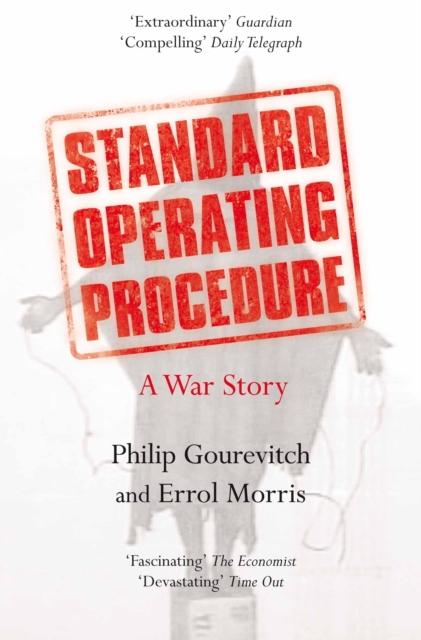
Standard Operating Procedure is an utterly original collaboration by the writer Philip Gourevitch (We Wish to Inform You that Tomorrow We Will Be Killed With Our Families) and the film-maker Errol Morris (The Thin Blue Line, The Fog of War).
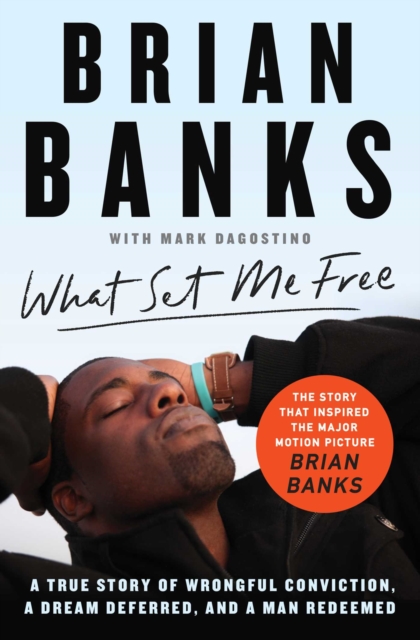
*The story that inspired the film Brian Banks* Discover the unforgettable and inspiring true story of a young man who was wrongfully convicted as a teenager and imprisoned for more than five years, only to emerge with his spirit unbroken and determined to achieve his dream of playing in the NFL.
Two New York Times Washington correspondents provide a detailed, ';fact-based account of what precipitated some of this administration's more brazen assaults on immigration' (The Washington Post) filled with never-before-told stories of this key issue of Donald Trump's presidency.
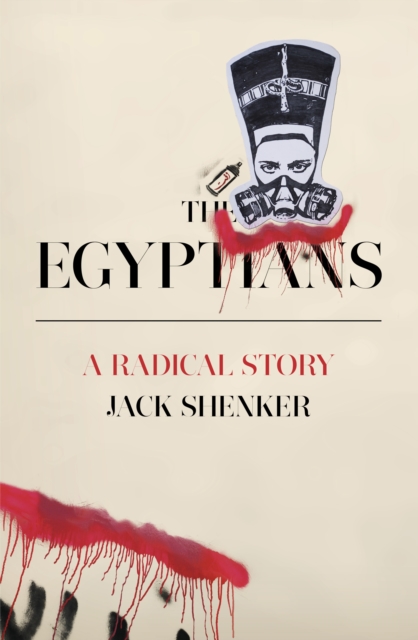
From award-winning journalist Jack Shenker, The Egyptians is the essential book about Egypt and radical politicsIn early 2011, Cairo's Tahrir Square briefly commanded the attention of the world.
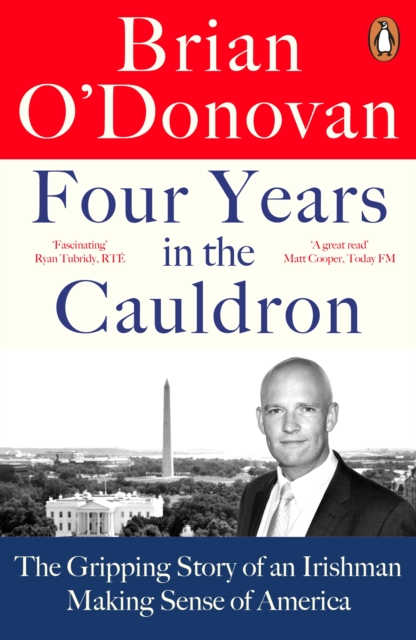
SHORTLISTED FOR THE IRISH BOOK AWARDS 2021The riveting story of a nation at a crucial crossroadsFrom the start of his stint as RT 's Washington Correspondent Brian O'Donovan's lively and authoritative reporting of a tumultuous period in American life has been must-watch TV.
Up-to-date devotions on getting ';smarter' for boys ages 8-12 There is something to interest every boy in this unique devotional that focuses on the 2:52 principle of ';getting smart' as it teaches boys how to use their minds to live a godly life.