'An indispensable guide to the law and your rights, giving you a lawyer in your pocket for a multitude of legal questions and problems that crop up in everyday life.
'These women are each a light and an inspiration, demonstrating how the best instincts of humanity - to love, to share, to protect others - can triumph in the worst possible circumstances.
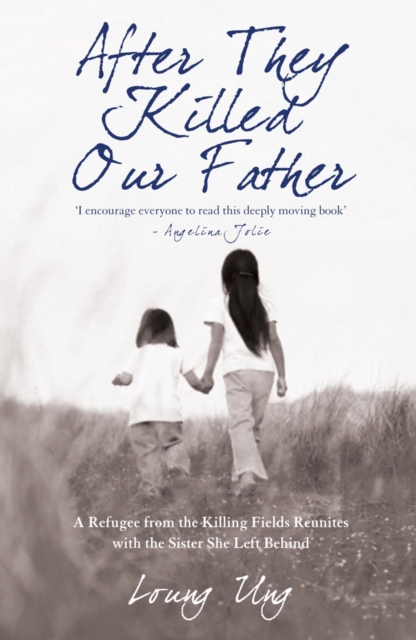
A major film, co-written and directed by Angelina Jolie Until the age of five, Loung Ung lived in Phnom Penh, one of seven children of a high-ranking government official.
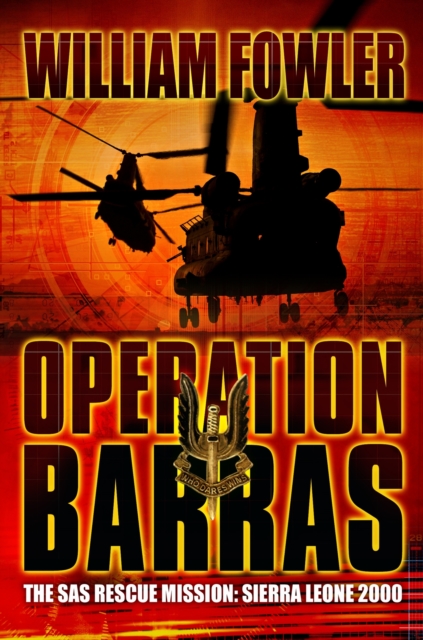
The inside story of the most daring SAS rescue mission everIn September 2000 eleven British soldiers were captured by a notorious militia gang in Sierra Leone.
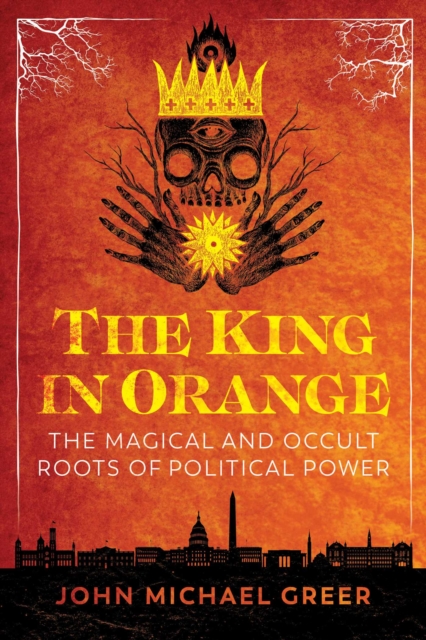
Details the magical war that took place behind the scenes of the 2016 election Examines in detail the failed magical actions of Trumps opponents, with insights on political magic from Dion Fortunes war letters Reveals the influence of a number of occult forces from Julius Evola to chaos magick to show how the political and magical landscape of American society has permanently changed since the 2016 election Magic and politics seem like unlikely bedfellows, but in The King in Orange, author John Michael Greer goes beyond superficial memes and extreme partisanship to reveal the unmentionable realities that spawned the unexpected presidential victory of an elderly real-estate mogul turned reality-TV star and which continue to drive the deepening divide that is now the defining characteristic of American society.
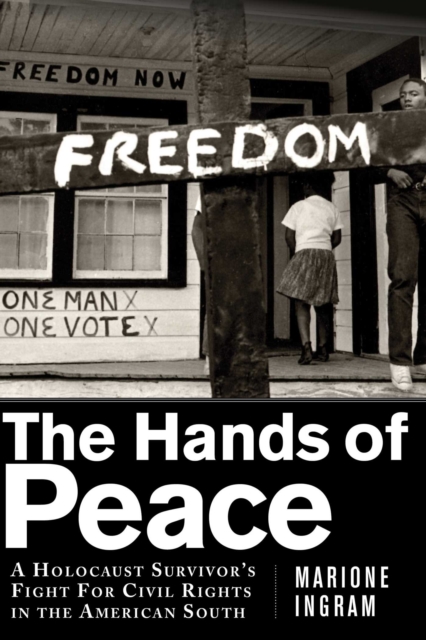
Born in Hamburg in the 1930s, Marione Ingram survived the Holocaust in Nazi Germany, only to find when she came to the United States that racism was as pervasive in the American South as anti-Semitism was in Europe.
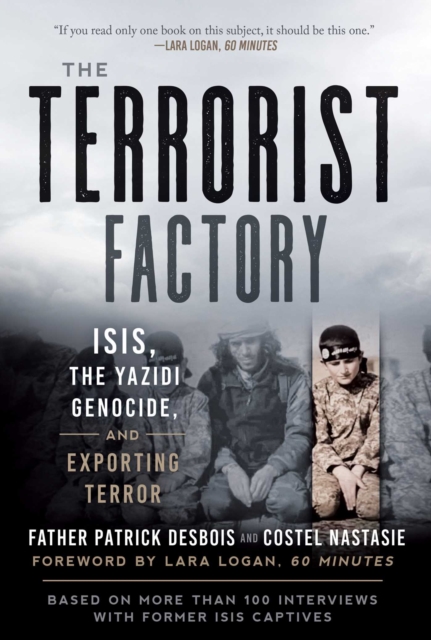
A riveting, behind-the-scenes look of the Yazidi genocide and the terrorist threat it holds for the West, based on the investigation by Father Patrick Desbois, Costel Nastasie, and their team at YahadIn Unum, as first shown on 60 Minutes.
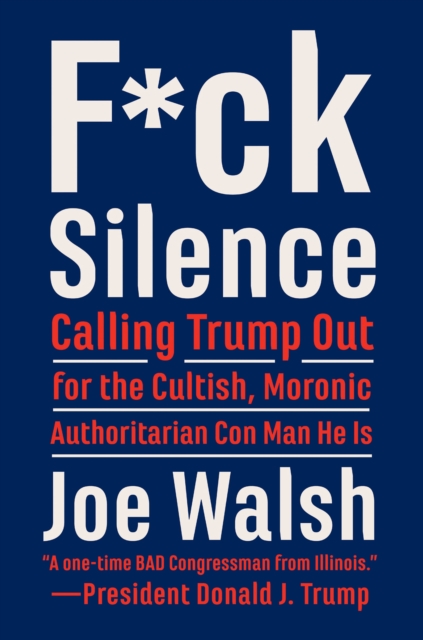
Former congressman and conservative talk radio host Joe Walsh reveals why Donald Trump is the exact threat our Founding Fathers feared in F*ck Silence.
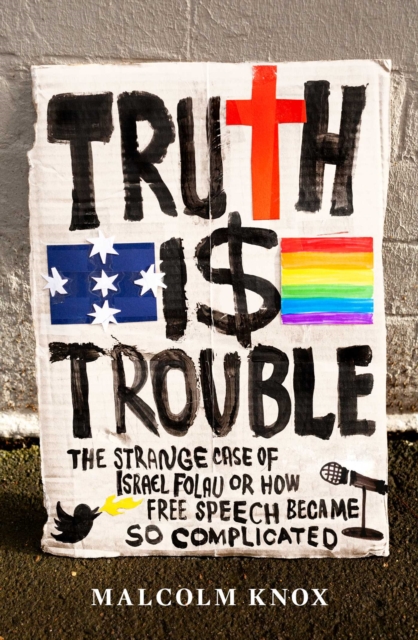
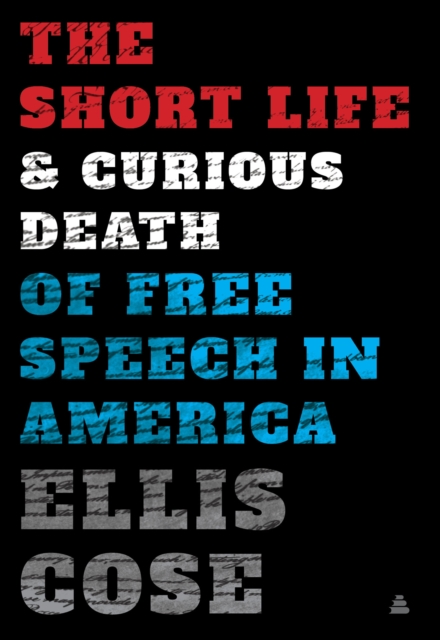
Named one ofNewsweeks "e;25 Must-Read Fall Fiction and Nonfiction Books to Escape the Chaos of 2020"e;The critically acclaimed journalist and bestselling author of The Rage of a Privileged Class explores one of the most essential rights in Americafree speechand reveals how it is crumbling under the combined weight of polarization, technology, money and systematized lying in this concise yet powerful and timely book.
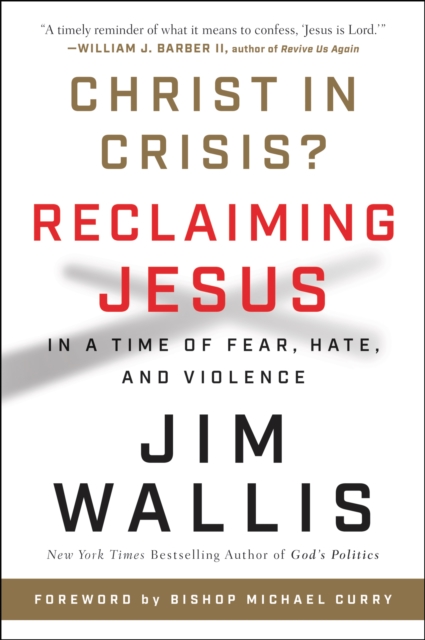
Writing in response to our current constitutional crisis, New York Times bestselling author and Christian activist Jim Wallis urges America to return to the tenets of Jesus once again as the means to save us from the polarizing bitterness and anger of our tribal nation.
Intrepid's Last Case chronicles the post-World War II activities of Sir William Stephenson, whose fascinating role in helping to defeat the Nazis was the subject of the worldwide bestseller A Man Called Intrepid.
Debtors' prisons might sound like something out of a Dickens novel, but what most Americans do not realize is that they are alive and well in a new and startling form.
The creator of the popular Formerly Fundie blog on Patheos explains how the "e;American Christianity"e; we are currently taught is actually a fear-saturated distortion of biblical faith.
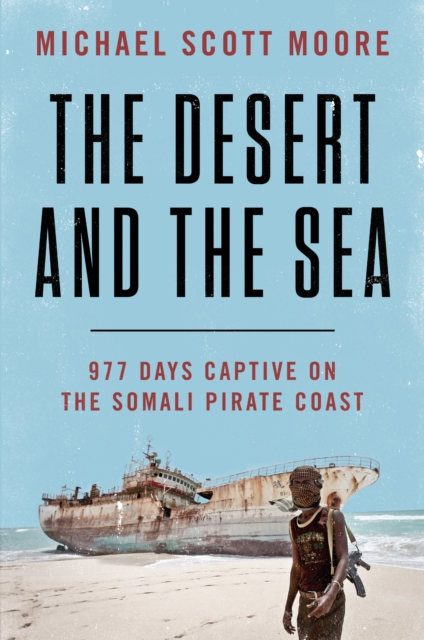
Michael Scott Moore, a journalist and the author of Sweetness and Blood, incorporates personal narrative and rigorous investigative journalism in this profound and revelatory memoir of his three-year captivity by Somali piratesa riveting,thoughtful, and emotionally resonant exploration of foreign policy, religious extremism, and the costs of survival.
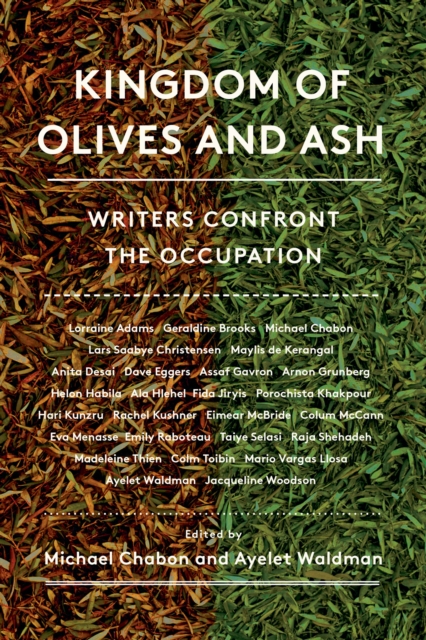
A groundbreaking collection of essays by celebrated international writers bears witness to the human cost of fifty years of Israeli occupation of the West Bank and Gaza.
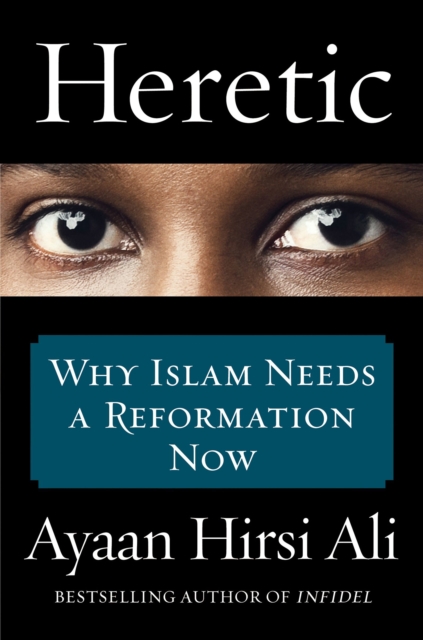
Continuing her journey from a deeply religious Islamic upbringing to a post at Harvard, the brilliant, charismatic and controversial New York Times and Globe and Mail #1 bestselling author of Infidel and Nomad makes a powerful plea for a Muslim Reformation as the only way to end the horrors of terrorism, sectarian warfare and the repression of women and minorities.
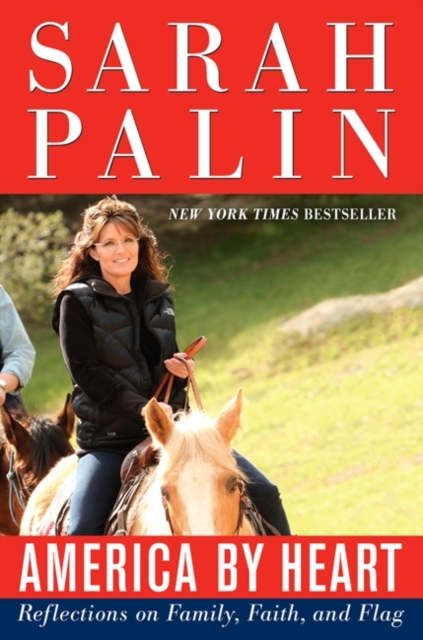
In the fall of 2009, with the publication of her #1 national bestselling memoir, Sarah Palin had the privilege of meeting thousands of everyday Americans on her extraordinary 35-city book tour.
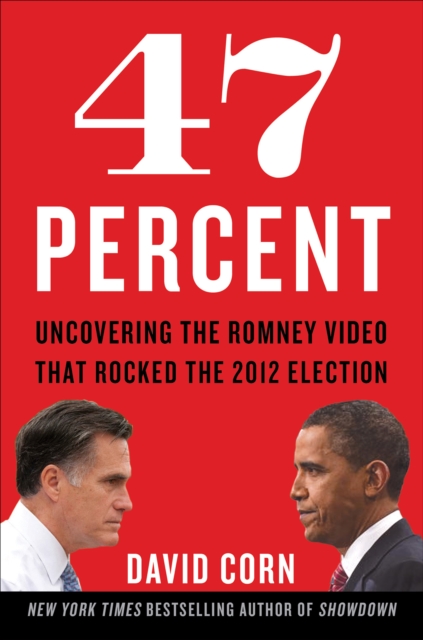
From the reporter who broke the Romney video story, 47 Percent reveals for the first time the dramatic tale of how David Corn, Washington Bureau chief at Mother Jones, MSNBC analyst and author of the New York Times bestseller Showdown, learned of its existence, located the source, authenticated the video, and persuaded the source to let him release it.
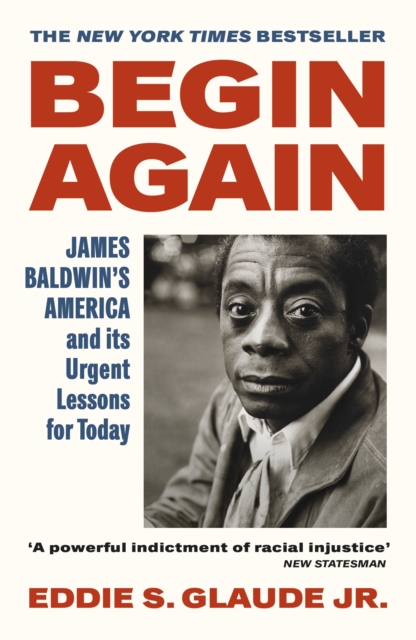
*THE NEW YORK TIMES BESTSELLER*'A simply wonderful book' PHILIPPE SANDS'Begin Again is that rare thing: an instant classic' PANKAJ MISHRA'Incredibly moving and stirring' DIANA EVANSAmerica is at a crossroads.
Everyone should spend a couple of hours of their life reading it, to remind themselves that, even in the darkest depth of human misery, the bravest souls still exist.
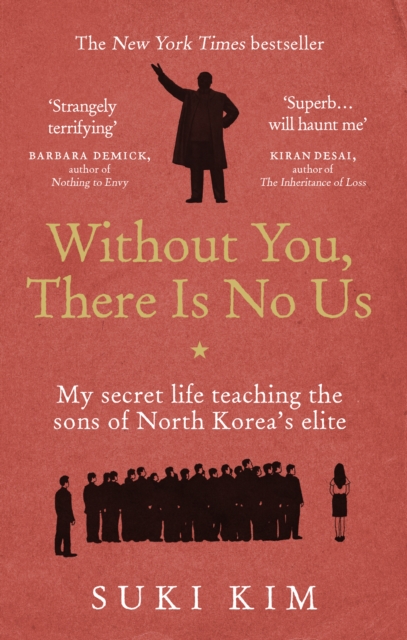
It is 2011, and all universities in North Korea have been shut down for an entire year, except for the all-male Pyongyang University of Science and Technology.
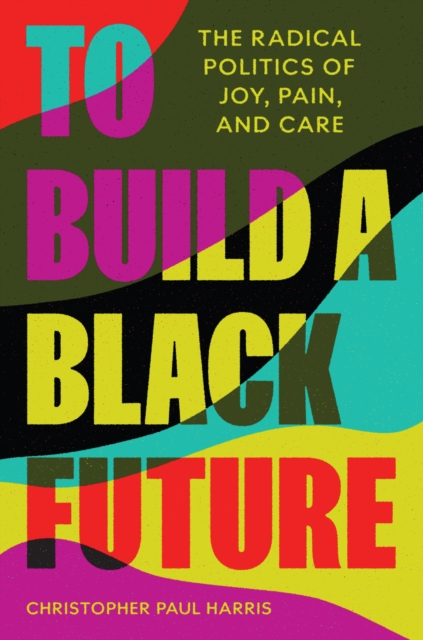
An incisive portrait of how the new Black politics can forge a future centered on collective action, community, and careWhen #BlackLivesMatter emerged in 2013, it animated the most consequential Black-led mobilization since the civil rights and Black power era.
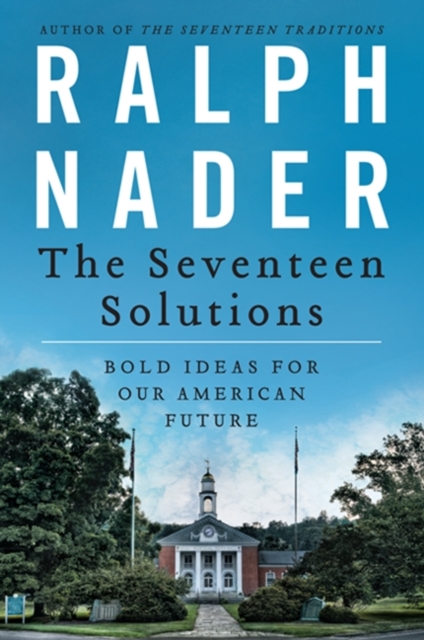
Consumer advocate, activist, humanitarian, and former presidential candidate Ralph Nader is arguably the most provocative and important progressive voice in America today-a fearless reformer whom The Atlantic named one of the 100 most influential figures in American history.