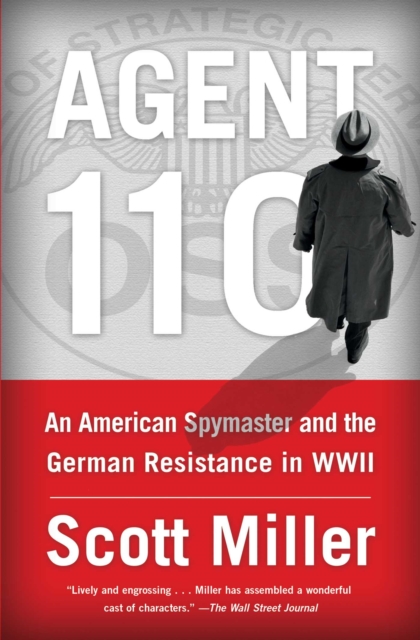
The ';lively and engrossing' (The Wall Street Journal) story of how OSS spymaster Allen Dulles built an underground network determined to take down Hitler and destroy the Third Reich.
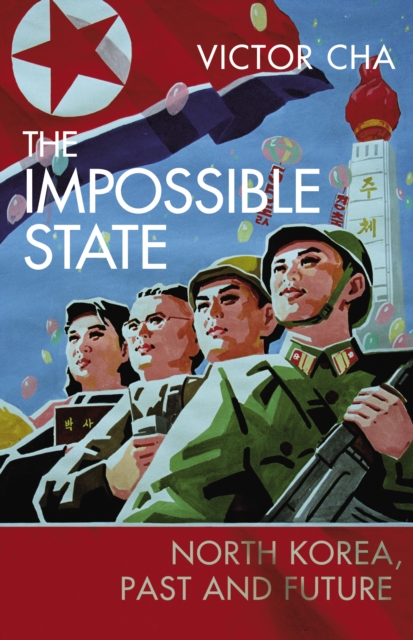
The definitive account of North Korea - its veiled past and uncertain future - from former White House adviser and Korea expert Victor Cha We killed Americans.
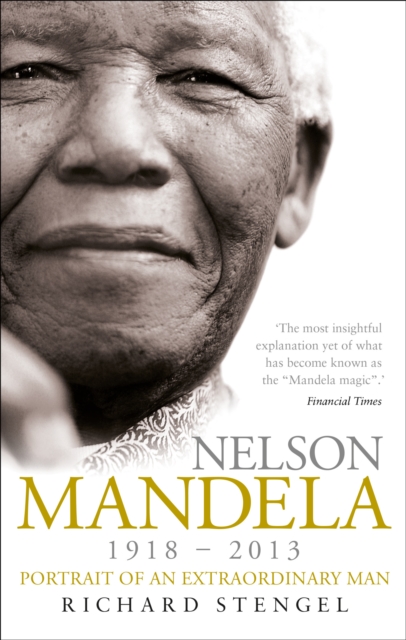
Previously published as Mandela's WayWritten by the co-author of international bestseller Long Walk to Freedom, Nelson Mandela: Portrait of an Extraordinary Man presents fifteen powerful lessons on life and leadership based on the life and work of Nelson Mandela (1918 - 2013), whose fight against apartheid in South Africa has become an enduring example of resistance against injustice and oppression.
The incredible story of the American who saved more lives than Schindler - great literary, scientific and artistic figures such as Andr Breton, Heinrich Mann, Marc Chagall and Max Ernst who represented the political and cultural elite of Europe.
In this long season of searing political attacks and angry partisan passions, Peggy Noonan's Wall Street Journal column has been must reading for thoughtful liberals and conservatives alike.
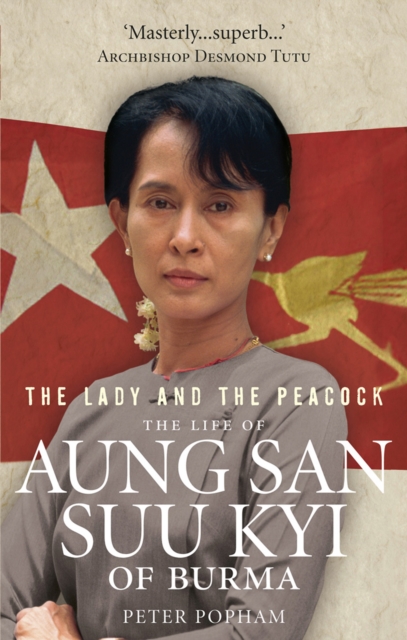
Peter Popham's major new biography of Aung San Suu Kyi draws upon previously untapped testimony and fresh revelations to tell the story of a woman whose bravery and determination have captivated people around the globe.
Shortlisted for the Baillie Gifford Prize, a revelatory, fearless history of the British Empire that lays bare its pervasive use of violence throughout the twentieth century.
Drawing on Tibetan, Hindu, Taoist, Christian and Kabbalistic traditions, Andrew Harvey shows why he believes the direct path is now essential to the future survival of humanity - and how the truth and vibrancy of this radical vision depends on reclamation of the Sacred Feminine.
In the vein of Bill Brysons The Life and Times of the Thunderbolt Kid, with a dash of some of the homegrown nostalgia of The Dangerous Book for Boys and A Prairie Home Companion, humorist Philip Gulley (Front Porch Tales, Home to Harmony) tells of his coming of age in small-town Indiana.
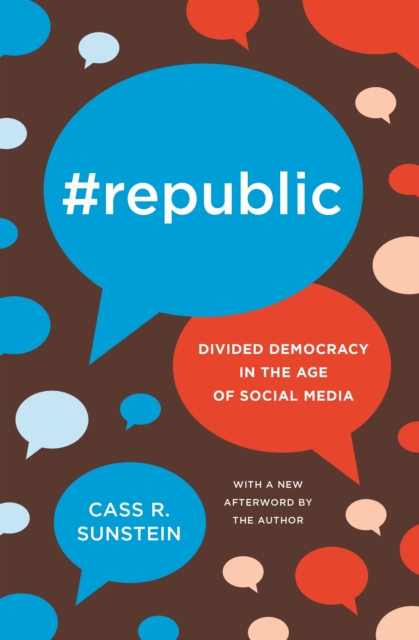
From the New York Times bestselling author of Nudge and The World According to Star Wars, a revealing account of how today's Internet threatens democracy-and what can be done about itAs the Internet grows more sophisticated, it is creating new threats to democracy.
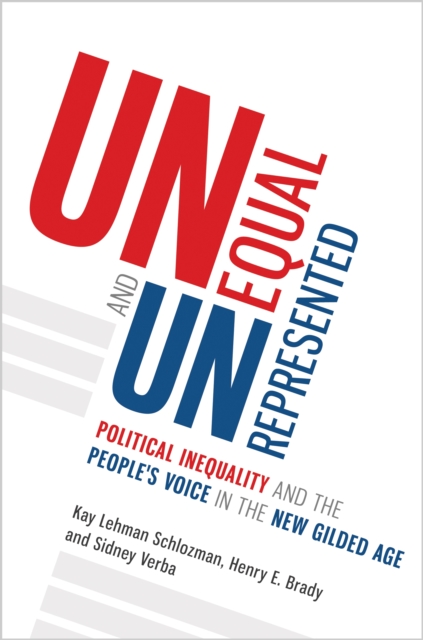
How American political participation is increasingly being shaped by citizens who wield more resourcesThe Declaration of Independence proclaims equality as a foundational American value.
A new account of modern Iraqi politics that overturns the conventional wisdom about its sectarian divisionsHow did Iraq become one of the most repressive dictatorships of the late twentieth century?
How southern members of Congress remade the United States in their own image after the Civil WarNo question has loomed larger in the American experience than the role of the South.
A groundbreaking and surprising look at contemporary censorship in ChinaAs authoritarian governments around the world develop sophisticated technologies for controlling information, many observers have predicted that these controls would be ineffective because they are easily thwarted and evaded by savvy Internet users.
The first book to explore the modern history of Islam in South AsiaThe first modern state to be founded in the name of Islam, Pakistan was the largest Muslim country in the world at the time of its establishment in 1947.
Why our belief in government by the people is unrealistic-and what we can do about itDemocracy for Realists assails the romantic folk-theory at the heart of contemporary thinking about democratic politics and government, and offers a provocative alternative view grounded in the actual human nature of democratic citizens.
A New York Times bestseller, The Burning Tigris is "e;a vivid and comprehensive account"e; (Los Angeles Times) of the Armenian Genocide and America's response.
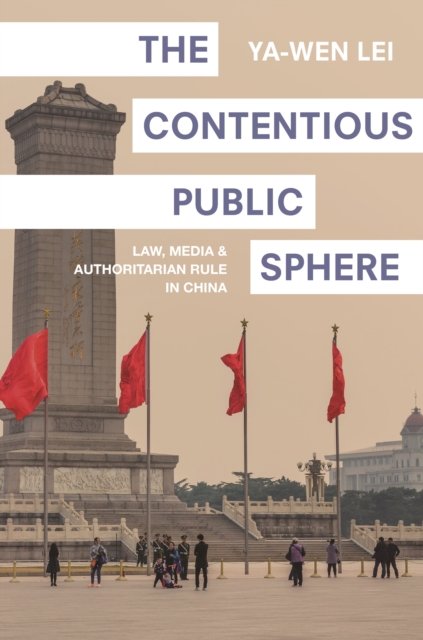
Since the mid-2000s, public opinion and debate in China have become increasingly common and consequential, despite the ongoing censorship of speech and regulation of civil society.
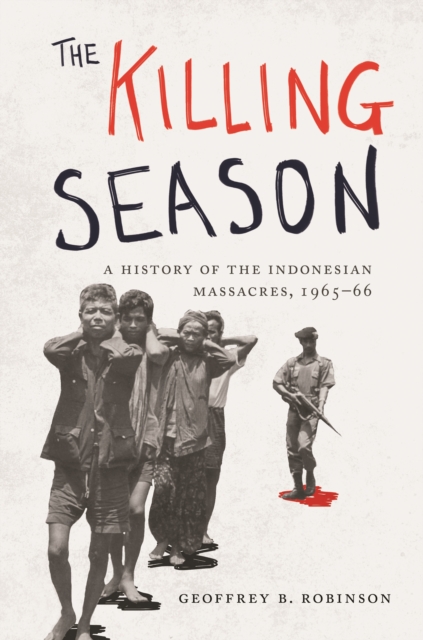
The Killing Season explores one of the largest and swiftest, yet least examined, instances of mass killing and incarceration in the twentieth century-the shocking antileftist purge that gripped Indonesia in 1965-66, leaving some five hundred thousand people dead and more than a million others in detention.
Why have countries increasingly restricted immigration even when they have opened their markets to foreign competition through trade or allowed their firms to move jobs overseas?
How diversity and difference strengthen democracy and increase prosperityIt is clear that in our society today, issues of diversity and social connectedness remain deeply unresolved and can lead to crisis and instability.
After decades of denying racism and underplaying cultural diversity, Latin American states began adopting transformative ethno-racial legislation in the late 1980s.
Few transformations in American politics have been as important as the integration of African Americans into the Democratic Party and the Republican embrace of racial policy conservatism.
The Europeanization of the World puts forward a defense of Western civilization and the unique gifts it has bequeathed to the world-in particular, human rights and constitutional democracy-at a time when many around the globe equate the West with hubris and thinly veiled imperialism.
A groundbreaking history of the last days of the French empire in AfricaAs the French public debates its present diversity and its colonial past, few remember that between 1946 and 1960 the inhabitants of French colonies possessed the rights of French citizens.
In the last six decades, one of the most striking developments in international law is the emergence of a massive body of legal norms and procedures aimed at protecting human rights.
Now in paperback: the bestselling author of Gods Politics revives our hope in a politics that reflects our highest common values and offers a roadmap for solving our biggest social problems.
Unlike many national constitutions, which contain explicit positive rights to such things as education, a living wage, and a healthful environment, the U.
The quotable Ai WeiweiThis collection of quotes demonstrates the elegant simplicity of Ai Weiwei's thoughts on key aspects of his art, politics, and life.