A touching memoir of life with an alcoholic father who secretly works with the CIA, a dark pilgrimage through the valley of depression and addiction, and finding a faith to redeem and a strength to forgive.
Not only does government bureaucracy often make hiring a cumbersome, slow-moving process, but poor performers enjoy more protection from losing their jobs than their counterparts outside of government.
African Asylum at a Crossroads: Activism, Expert Testimony, and Refugee Rights examines the emerging trend of requests for expert opinions in asylum hearings or refugee status determinations.
BAYARD RUSTIN POSTHUMOUSLY AWARDED THE 2013 PRESIDENTIAL MEDAL OF FREEDOMA master strategist and tireless activist, Bayard Rustin is best remembered as the organizer of the 1963 March on Washington, one of the largest nonviolent protests ever held in the United States.
Signed into law in 2000, the Trafficking Victims Protection Act (TVPA) defined the crime of human trafficking and brought attention to an issue previously unknown to most Americans.
An look at what Intelligence Community analysts do and how, and how they are affected by the political context that shapes, uses and abuses their outputs.
We live in a time when the most appalling social injustices and unjust human sufferings no longer seem to generate the moral indignation and the political will needed both to combat them effectively and to create a more just and fair society.
Understanding the various meanings given to human and citizenship rights in Argentina is an important task, particularly so given the nation's prominence in global discussions.
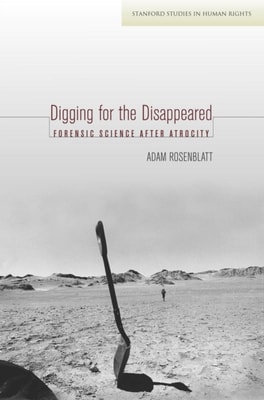
The unmarked mass graves left by war and acts of terror are lasting traces of violence in communities traumatized by fear, conflict, and unfinished mourning.
In this follow-up to The Kingdom and the Glory and The Highest Poverty, Agamben investigates the roots of our moral concept of duty in the theory and practice of Christian liturgy.
The Black Newspaper and the Chosen Nation shows how antebellum African Americans used the newspaper as a means for translating their belief in black "e;chosenness"e; into plans and programs for black liberation.
Failed Democratization in Prewar Japan presents a compelling case study on change in political regimes through its exploration of Japan's transition to democracy.
Combining theology, politics and historical analysis, "e;theorizes what might be at stake-ethically-for America's current political life"e; (Andrew Taylor, Journal of American History).
Lawless elements are ascendant in Mexico, as evidenced by the operations of criminal cartels engaged in human and drug trafficking, often with the active support or acquiescence of government actors.
Using espionage as a test case, The End of Intelligence criticizes claims that the recent information revolution has weakened the state, revolutionized warfare, and changed the balance of power between states and non-state actors-and it assesses the potential for realizing any hopes we might have for reforming intelligence and espionage.
A study of strategies implemented in local, regional, and international human rights campaigns elucidating how advocates were able to achieve their goals.
The massacres that spread across Algeria in 1997 and 1998 shocked the world, both in their horror and in the international community's failure to respond.
In 1631, at the epicenter of the worst excesses of the European witch-hunts, Friedrich Spee, a Jesuit priest, published the Cautio Criminalis, a book speaking out against the trials that were sending thousands of innocent people to gruesome deaths.
The rise of political Islam has provoked considerable debate about the compatibility of democracy, tolerance, and pluralism with the Islamist position.
Shifting power balances in the world are shaking the foundations of the liberal international order and revealing new fault lines at the intersection of human rights and international security.
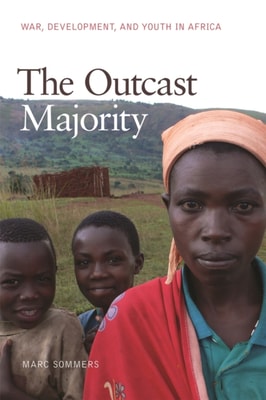
The Outcast Majority invites policymakers, practitioners, academics, students, and others to think about three commanding contemporary issues-war, development, and youth-in new ways.
The mass graves from our long human history of genocide, massacres, and violent conflict form an underground map of atrocity that stretches across the planet's surface.
Decentering Citizenship follows three groups of Filipina migrants' struggles to belong in South Korea: factory workers claiming rights as workers, wives of South Korean men claiming rights as mothers, and hostesses at American military clubs who are excluded from claims-unless they claim to be victims of trafficking.
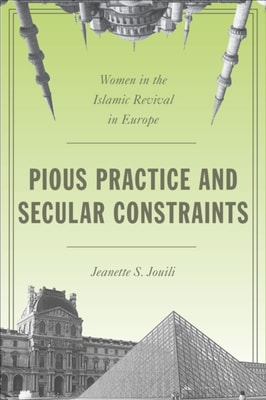
This chronicle of observant Muslim women's daily challenges in secular settings is "e;a welcome contribution [that] can be useful in many disciplines"e; (Journal of Church and State).
For refugees and immigrants in the United States, expressions of citizenship and belonging emerge not only during the naturalization process but also during more informal, everyday activities in the community.
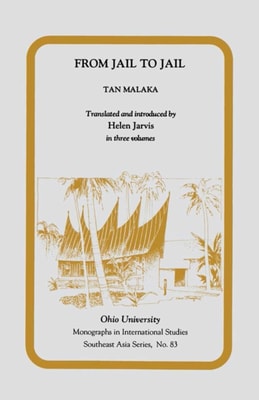
From Jail to Jail is the political autobiography of Sutan Ibrahim gelar Tan Malaka, an enigmatic and colorful political thinker of twentieth-century Asia, who was one of the most influential figures of the Indonesian Revolution.