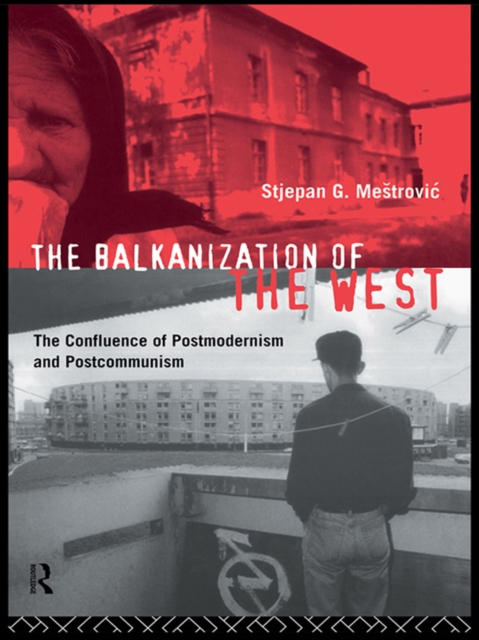
Drawing upon a range of resources of critique (including critical realist social theory, realist international relations theory, the sociology of globalization, the Marxist critique of imperialism, and dependency theory), this book is an essential contribution to the critical understanding of nationalism and imperialism in the global age.
On its publication in 1985, this book offered a fresh analysis of the problems faced by the Soviet economy by focussing on the key issues in the economic planning system.
On its publication in 1985, this book offered a fresh analysis of the problems faced by the Soviet economy by focussing on the key issues in the economic planning system.
Characteristically readable, controversial and full of insights, Alec Nove's new book is essential reading for anyone concerned with evaluating the relevance of Marxism to contemporary social and economic problems.
Characteristically readable, controversial and full of insights, Alec Nove's new book is essential reading for anyone concerned with evaluating the relevance of Marxism to contemporary social and economic problems.
First published in 1977, this book presents a comprehensive and lucid guide through the labyrinths of semiology and structuralism - perhaps the most significant systems of study to have been developed in the twentieth century.
First published in 1977, this book presents a comprehensive and lucid guide through the labyrinths of semiology and structuralism - perhaps the most significant systems of study to have been developed in the twentieth century.
As a new decade begins the popular demand for change has meant that the social and political fabric of the the Eastern Bloc countries has been irrevocably altered.
As a new decade begins the popular demand for change has meant that the social and political fabric of the the Eastern Bloc countries has been irrevocably altered.
The last two hundred years have seen a massive increase in the size of the world economy and equally massive inequalities of wealth and power between different parts of the world.
The last two hundred years have seen a massive increase in the size of the world economy and equally massive inequalities of wealth and power between different parts of the world.
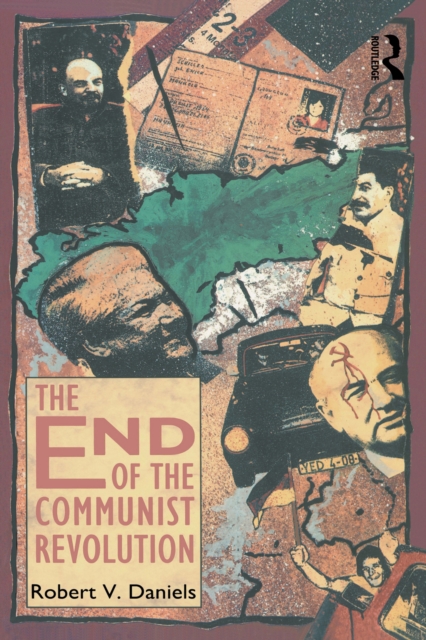
Daniels strives to put perestroika in its long-term historical perspective by placing it in a broad theory of revolutionary process, within the context of Leninism, Stalinism and Brezshnevism.
Daniels strives to put perestroika in its long-term historical perspective by placing it in a broad theory of revolutionary process, within the context of Leninism, Stalinism and Brezshnevism.
Socialism as a political system may be on the wane, yet no one can doubt that its cultural legacies will make themselves felt for years to come, and on a worldwide scale.
Socialism as a political system may be on the wane, yet no one can doubt that its cultural legacies will make themselves felt for years to come, and on a worldwide scale.
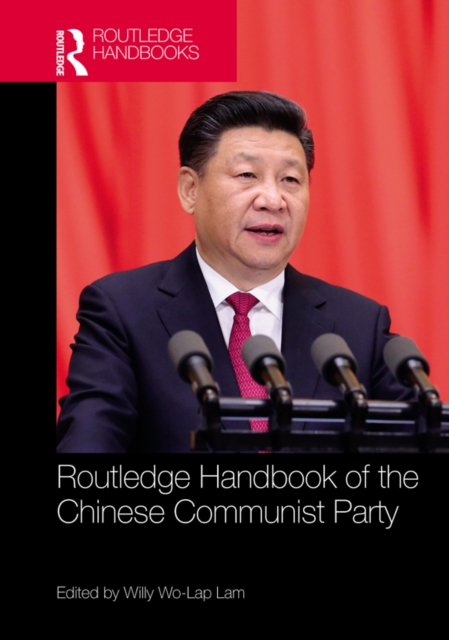
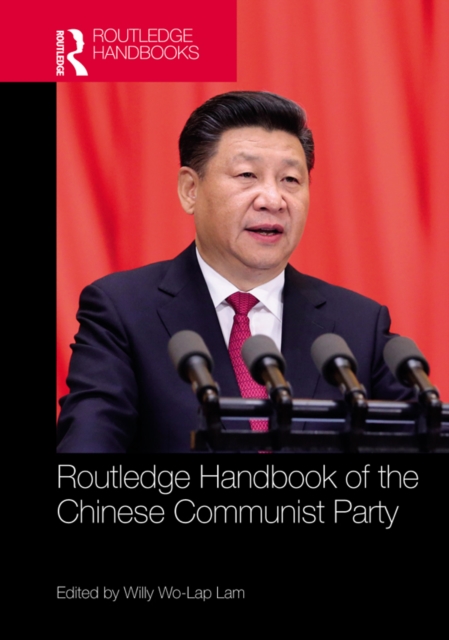
Whilst the Chinese Communist Party is one of the most powerful political institutions in the world, it is also one of the least understood, due to the party's secrecy and tight control over the archives, the press and the Internet.
Whilst the Chinese Communist Party is one of the most powerful political institutions in the world, it is also one of the least understood, due to the party's secrecy and tight control over the archives, the press and the Internet.