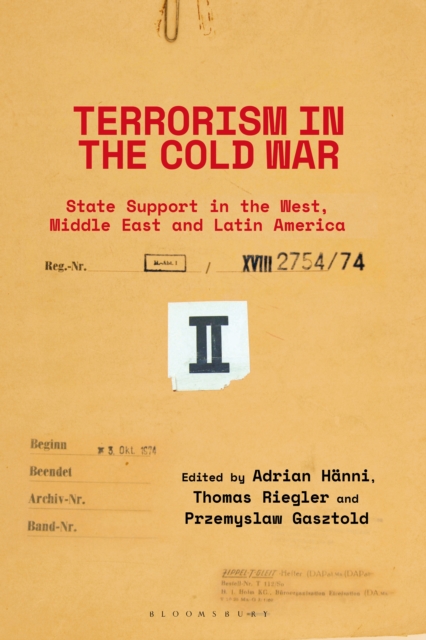
Accounts of the relationships between states and terrorist organizations in the Cold War era have long been shaped by speculation, a lack of primary sources and even conspiracy theories.
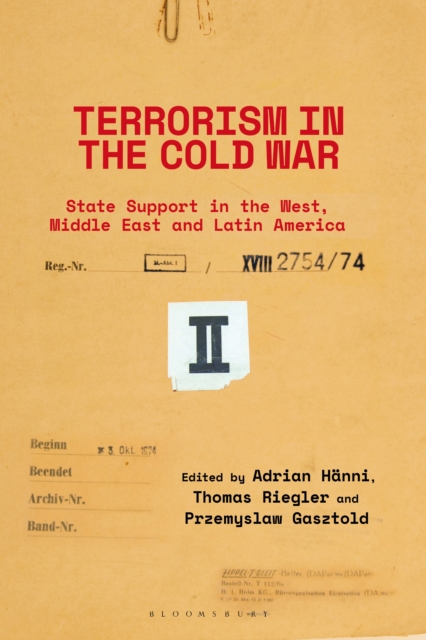
Accounts of the relationships between states and terrorist organizations in the Cold War era have long been shaped by speculation, a lack of primary sources and even conspiracy theories.
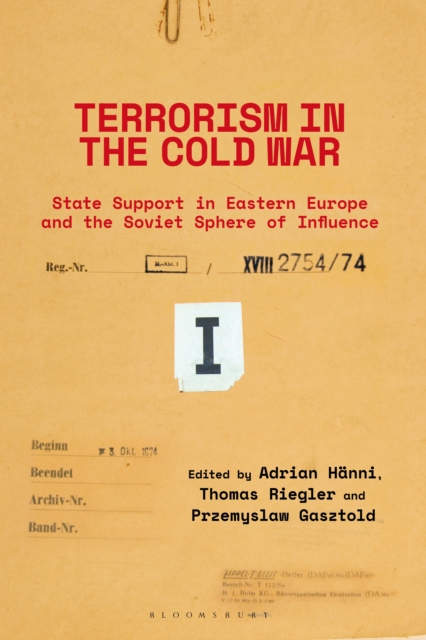
Accounts of the relationships between states and terrorist organizations in the Cold War era have long been shaped by speculation, a lack of primary sources and even conspiracy theories.
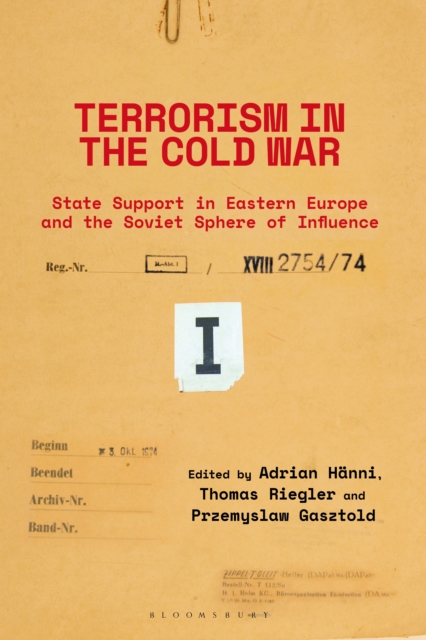
Accounts of the relationships between states and terrorist organizations in the Cold War era have long been shaped by speculation, a lack of primary sources and even conspiracy theories.
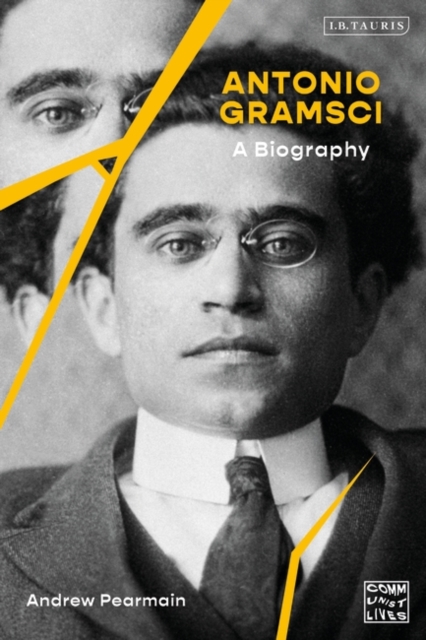
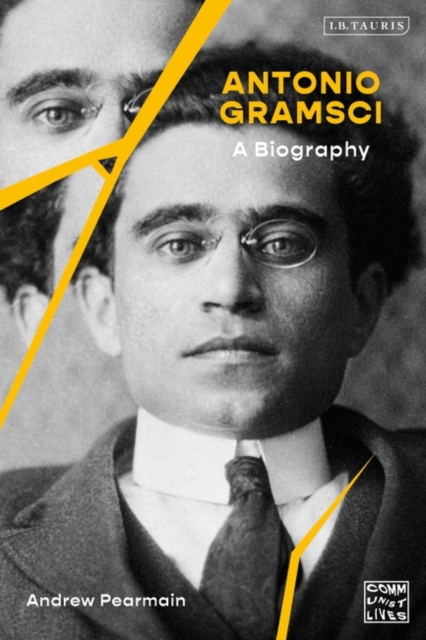
A historical biography of the Italian philosopher/politician Antonio Gramsci (1891-1973), considered one of the most important Marxist philosophers of the twentieth-century.
A historical biography of the Italian philosopher/politician Antonio Gramsci (1891-1973), considered one of the most important Marxist philosophers of the twentieth-century.
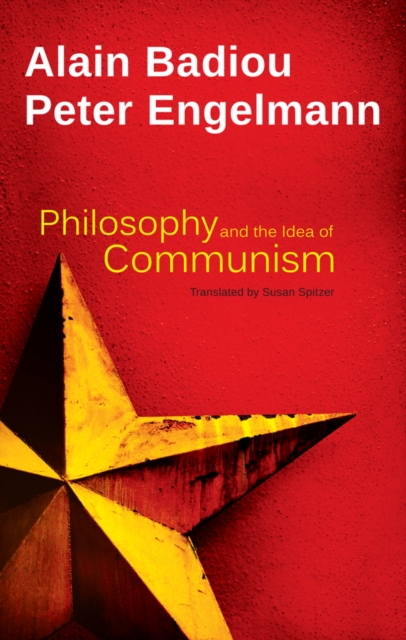
In a well-known text called The Communist Hypothesis , first published in 2007, the renowned philosopher Alain Badiou breathed fresh life into the idea of communism as an intellectual representation that provides a critical perspective on existing politics and offers a systemic alternative to capitalism.
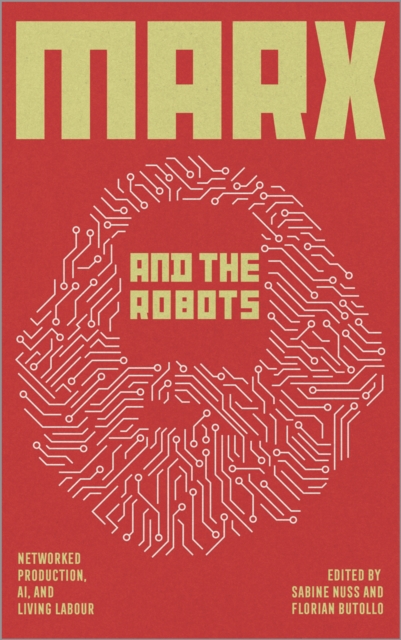
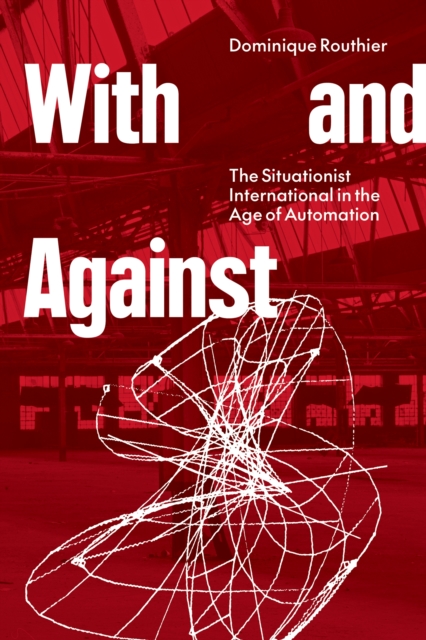
Marxist discourse around automation has recently become waylaid with breathless techno-pessimist dystopias and fanciful imaginations of automated luxury communism.
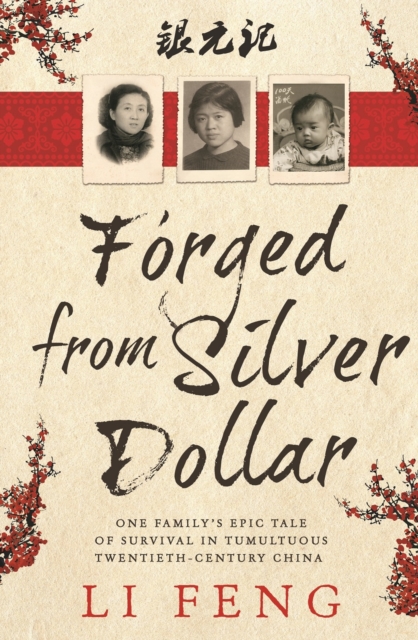
'Deeply moving story of self-sacrifice and pride' - Jennifer Byrne, Australian Women's WeeklyOne family's epic tale of survival in tumultuous twentieth-century China.
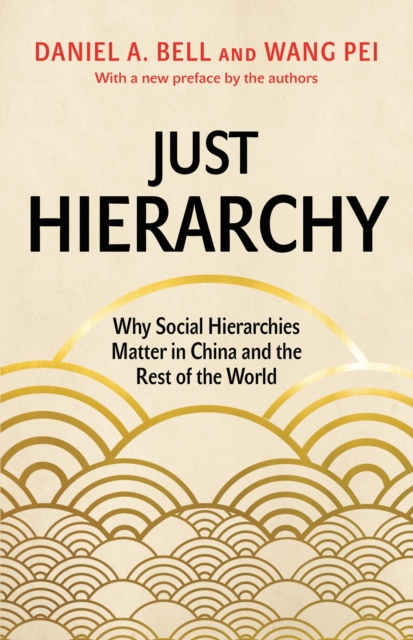
A trenchant defense of hierarchy in different spheres of our lives, from the personal to the politicalAll complex and large-scale societies are organized along certain hierarchies, but the concept of hierarchy has become almost taboo in the modern world.
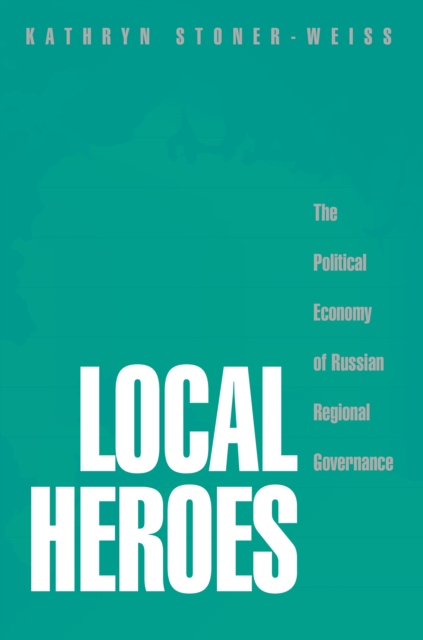
In Local Heroes, Kathryn Stoner-Weiss analyzes a crucial aspect of one of the great dramas of modern times--the reconstitution of the Russian polity and economy after more than seventy years of communist rule.
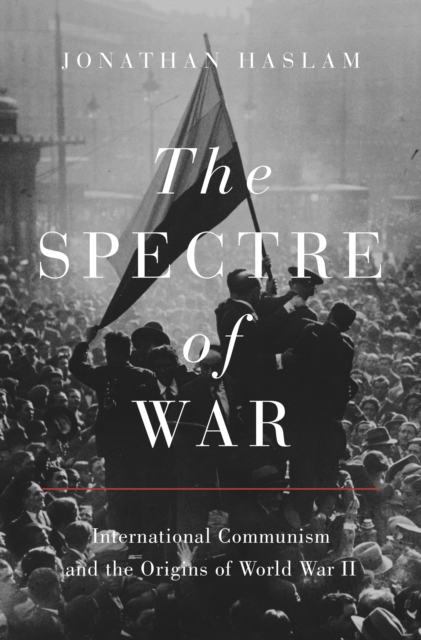
A bold new history showing that the fear of Communism was a major factor in the outbreak of World War IIThe Spectre of War looks at a subject we thought we knew-the roots of the Second World War-and upends our assumptions with a masterful new interpretation.
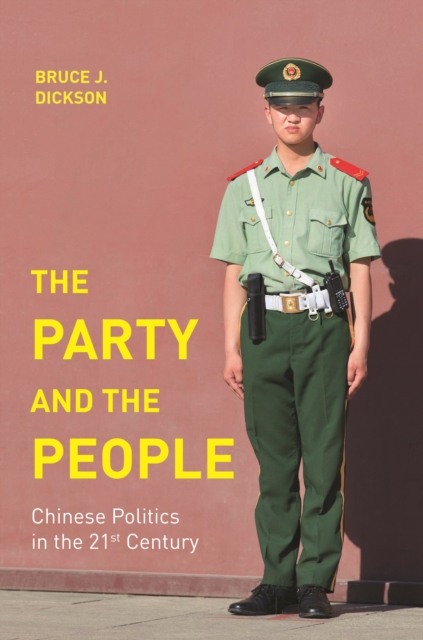
How the Chinese Communist Party maintains its power by both repressing and responding to its peopleSince 1949, the Chinese Communist Party (CCP) has maintained unrivaled control over the country, persisting even in the face of economic calamity, widespread social upheaval, and violence against its own people.
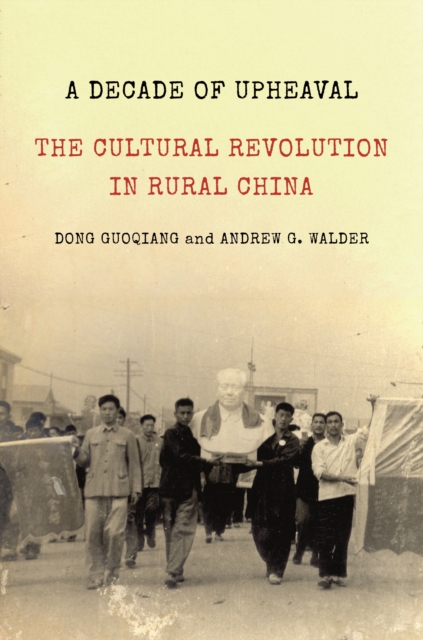
A revealing exploration of political disruption and violence in a rural Chinese county during the Cultural RevolutionA Decade of Upheaval chronicles the surprising and dramatic political conflicts of a rural Chinese county over the course of the Cultural Revolution.
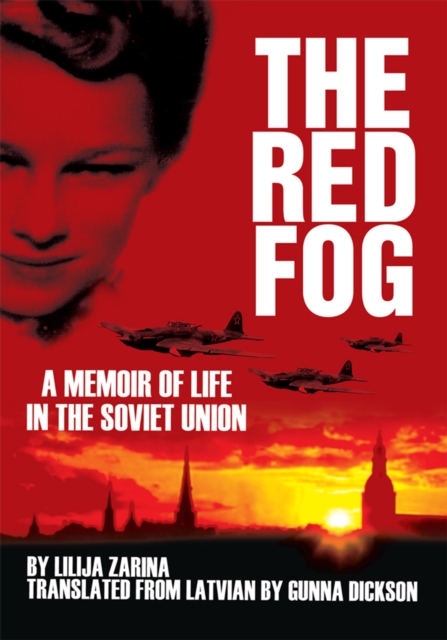
As a teenager during World War II, author Lilija "e;Lita"e; Zarina's idyllic life of perfumed soaps, shelves full of books, and carefree parties explodes into irretrievable pieces after a Soviet bomb strikes her family's property in Latvia.
In 1835, Alexis de Tocqueville predicted a "e; species of oppression [with] which democratic nations are menaced unlike anything which ever before existed in the world "e; It was a despotism that "e; would be more extensive and would degrade men without tormenting them.
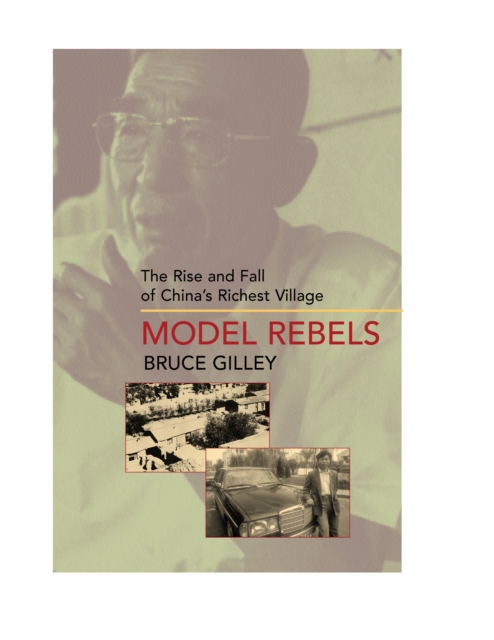
A portentous tale of rural rebellion unfolds in Bruce Gilley's moving chronicle of a village on the northern China plains during the post-1978 economic reform era.
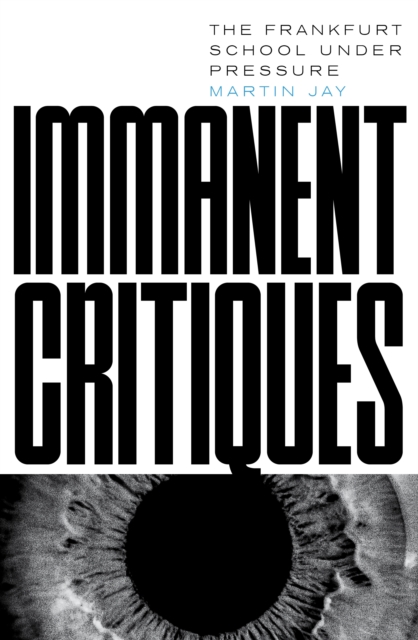
Fifty years after the appearance of The Dialectical Imagination, his pioneering history of the Frankfurt School, Martin Jay reflects on what may be living and dead in its legacy.
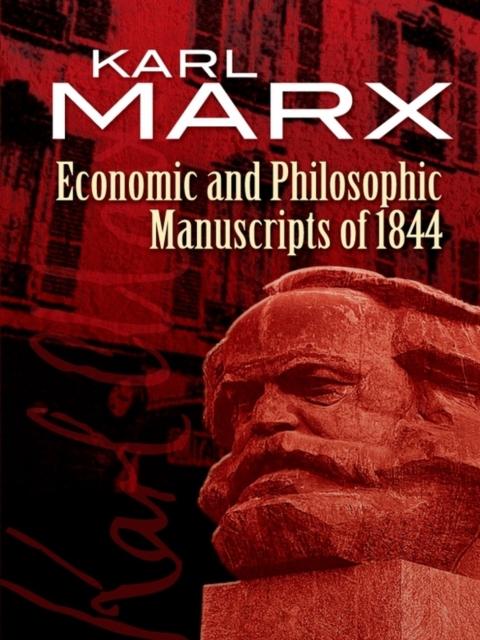
Written in 1844 as a series of notes, Marx's posthumously published critiques on the conditions of modern industrialist societies forms the foundation of the author's denunciation of capitalism.
In this illuminating and concise collection of readings, Karl Marx emerges as the first theorist to give a comprehensive social view of the birth and development of capitalist modernity that began with the Second Industrial Revolution and still exists today.
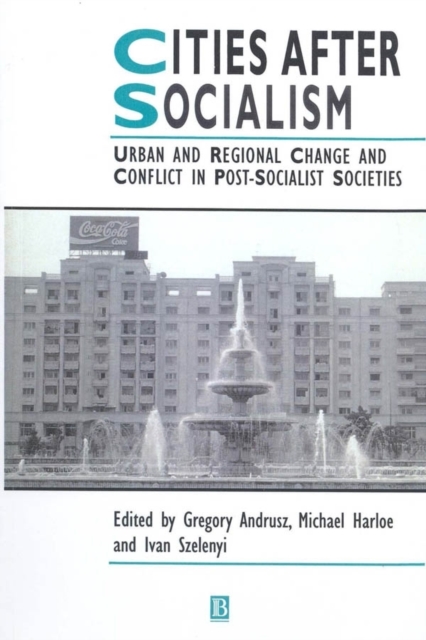
Cities After Socialism is the first substantial and authoritative analysis of the role of cities in the transition to capitalism that is occurring in the former communist states of Easter Europe and the Soviet Union.
Marx After Marxism encourages readers to understand Karl Marx in new ways, unencumbered by political Marxist interpretations that have long dominated the discussions of both Marxists and non-Marxists.
International challenges in agricultural economics for the nineties will come from a redirection of the EC policy, stimulated by GATT negotiations, the opening towards Eastern Europe and environmental considerations, from a production oriented policy towards rural policy, aiming at protecting vulnerable regions, maintaining a rural population, curtailing production in the West and fostering it in the East, and aiming at the provision of environmentally desirable output.
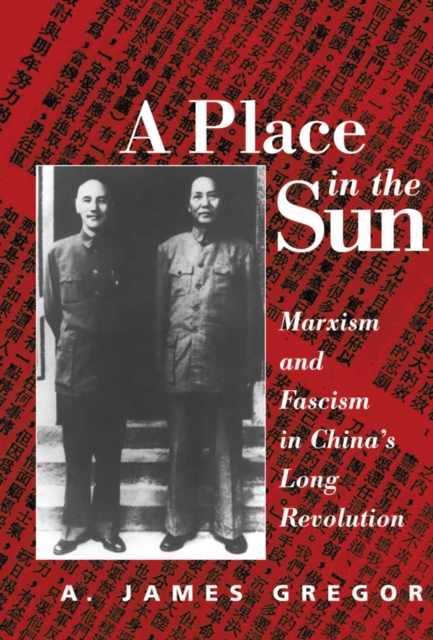
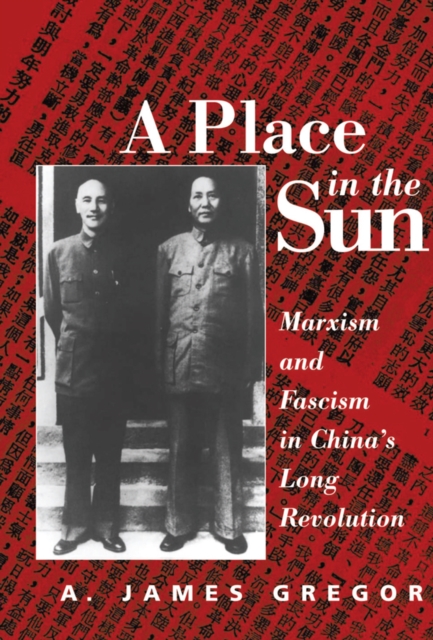
China has endured a century of turmoil, beginning with the anti-dynastic revolution associated with Sun Yat-Sen, through the military and tutelary rule of Chiang Kai-shek, the revolutionary regime of Mao Zedong, and the radical reforms of Deng Xiaoping.
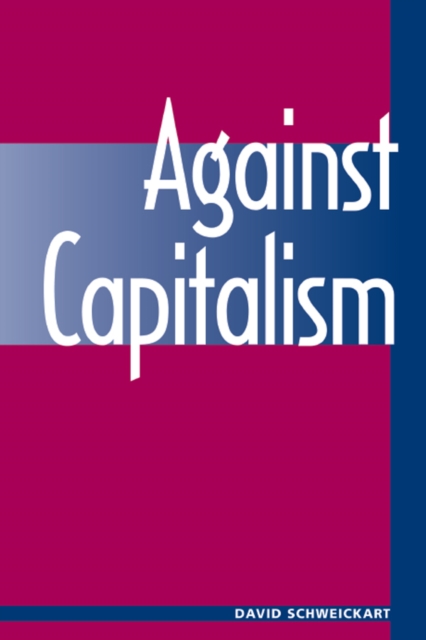
Capitalism is hegemonic today not because it is the best we fallible humans can do but because it supports, and is supported by, special interests of immense power.
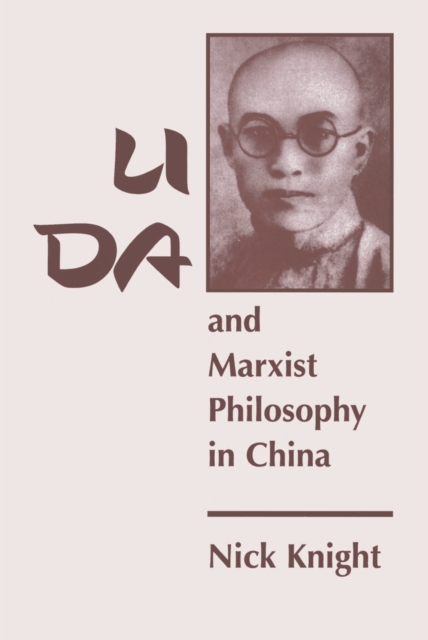
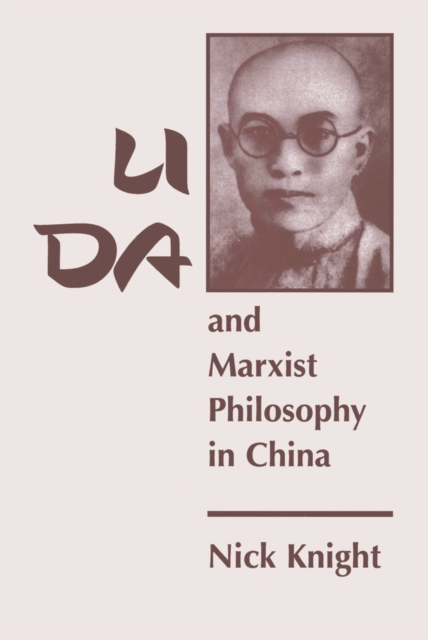
"e;Scholars of Marxism will be in Nick Knight's debt for this pioneering study of one of the most important figures in the development of Marxism in China.
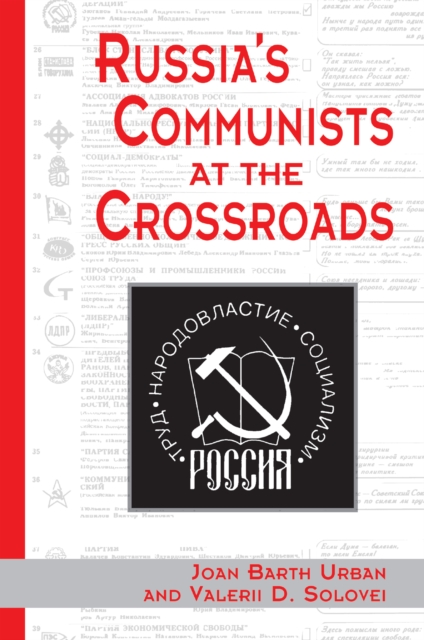
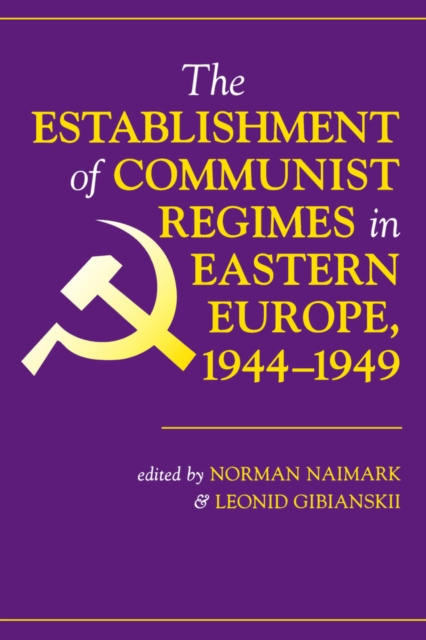
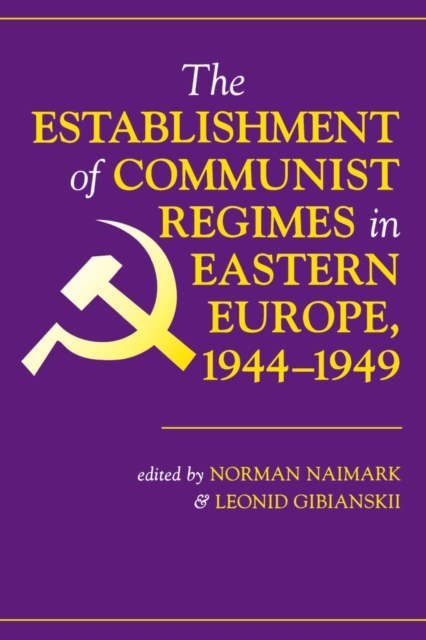
The collaborative effort of scholars from Russia and the United States, this book reevaluates the history of postwar Eastern Europe from 1944 to 1949, incorporating information gleaned from newly opened archives in Eastern Europe.
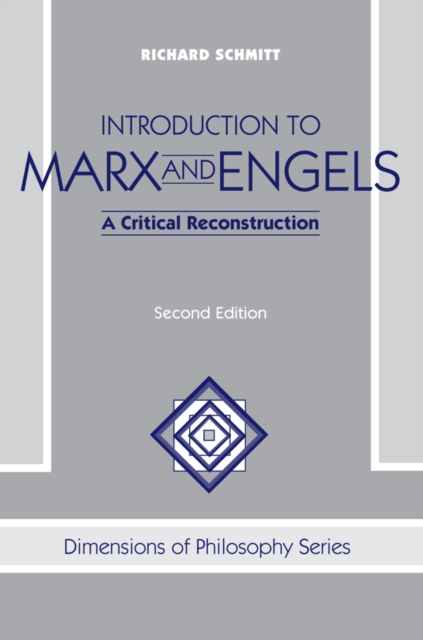
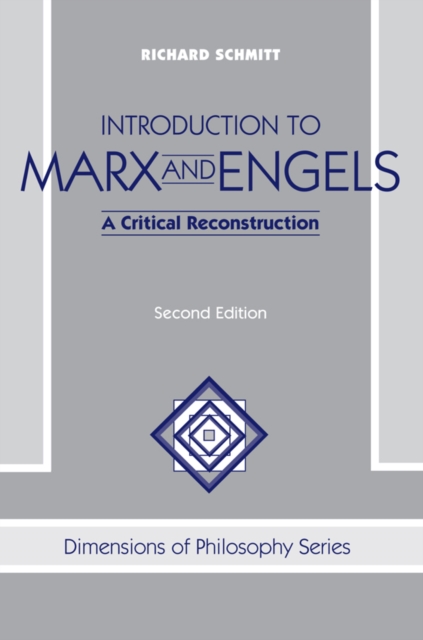
0-8133-1250-7 Beyond Separateness : the Social Nature of Human Beings--Their Autonomy, Knowledge, and Power 0-8133-3283-4 Introduction to Marx and Engels : a Critical Reconstruction, Second Edition
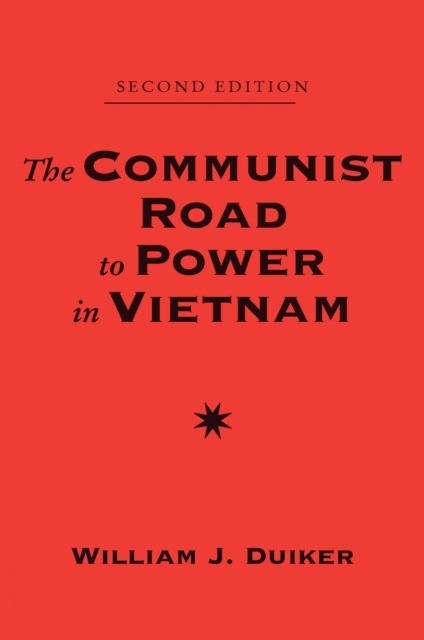
In this new edition of his widely acclaimed study, William Duiker has revised and updated his analysis of the Communist movement in Vietnam from its formation in 1930 to the dilemmas facing its leadership in the post-Cold War era.
China has endured a century of turmoil, beginning with the anti-dynastic revolution associated with Sun Yat-Sen, through the military and tutelary rule of Chiang Kai-shek, the revolutionary regime of Mao Zedong, and the radical reforms of Deng Xiaoping.
Capitalism is hegemonic today not because it is the best we fallible humans can do but because it supports, and is supported by, special interests of immense power.
"e;Scholars of Marxism will be in Nick Knight's debt for this pioneering study of one of the most important figures in the development of Marxism in China.
The collaborative effort of scholars from Russia and the United States, this book reevaluates the history of postwar Eastern Europe from 1944 to 1949, incorporating information gleaned from newly opened archives in Eastern Europe.
0-8133-1250-7 Beyond Separateness : the Social Nature of Human Beings--Their Autonomy, Knowledge, and Power 0-8133-3283-4 Introduction to Marx and Engels : a Critical Reconstruction, Second Edition