In this new edition of his widely acclaimed study, William Duiker has revised and updated his analysis of the Communist movement in Vietnam from its formation in 1930 to the dilemmas facing its leadership in the post-Cold War era.
Marxism, Psychology and Social Science Analysis applies Marxist theory, psychology, and the work of Lucien Seve to specific research in the social sciences.
Marxism, Psychology and Social Science Analysis applies Marxist theory, psychology, and the work of Lucien Seve to specific research in the social sciences.
This wide-ranging collection of articles, first published in 1981, documents the development of the intellectual and political aspects of the concept of the Asiatic Mode of Production - a concept central to the Western understanding of non-capitalist societies.
This wide-ranging collection of articles, first published in 1981, documents the development of the intellectual and political aspects of the concept of the Asiatic Mode of Production - a concept central to the Western understanding of non-capitalist societies.
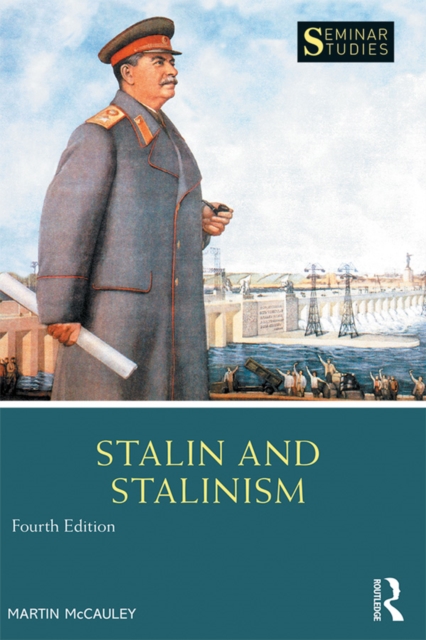
One of the most successful dictators of the twentieth century, Stalin transformed the Communist Party of the Soviet Union into one of the world's leading political parties.
One of the most successful dictators of the twentieth century, Stalin transformed the Communist Party of the Soviet Union into one of the world's leading political parties.
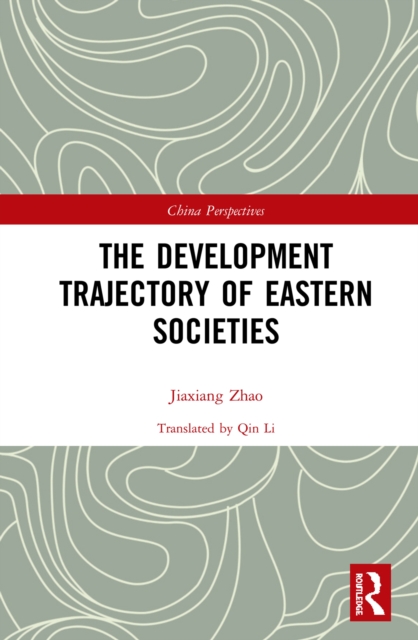
In the four volumes of The Development Trajectory of Eastern Societies and the Theories and Practices of Socialism, the author re-examines Marx and Engels' theories on the development trajectory of Eastern societies by integrating theoretical analysis of Marxist theories and a historical investigation of socialist revolution and socialist construction around the world.
In the four volumes of The Development Trajectory of Eastern Societies and the Theories and Practices of Socialism, the author re-examines Marx and Engels' theories on the development trajectory of Eastern societies by integrating theoretical analysis of Marxist theories and a historical investigation of socialist revolution and socialist construction around the world.
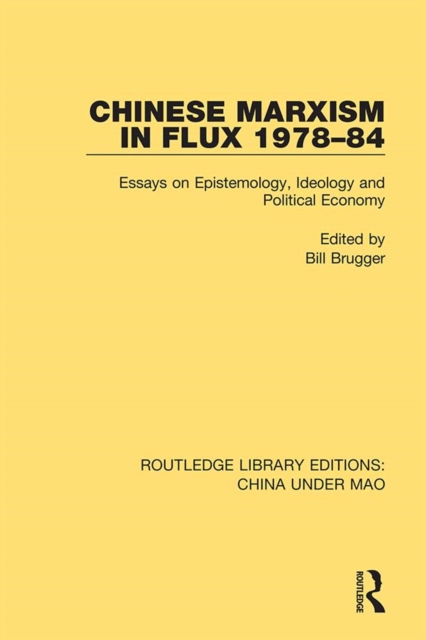
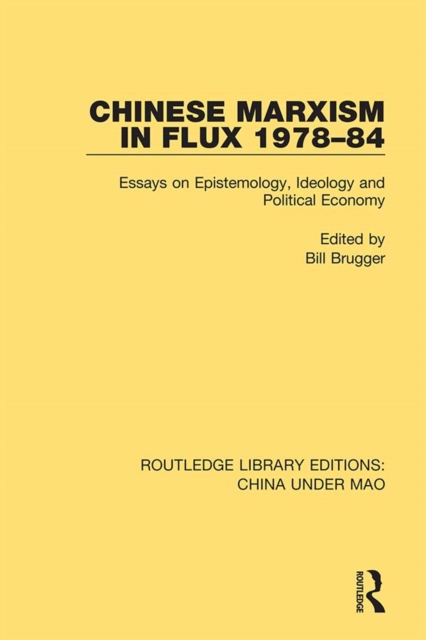
This book, first published in 1985, considers the state of Marxist thought in China at the time, a time when the country's leadership appeared more concerned with attaining modernisation and economic development than Marxist theory.
This book, first published in 1985, considers the state of Marxist thought in China at the time, a time when the country's leadership appeared more concerned with attaining modernisation and economic development than Marxist theory.
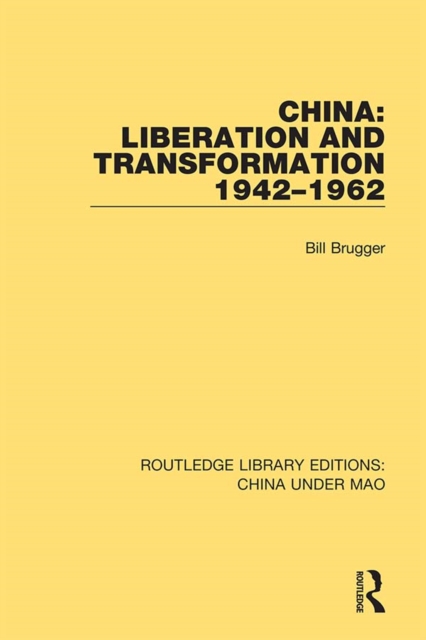
This book, first published in 1977, sets out two models of administration and participation used in Communist China, one worked out by the CCP during the war against Japan and one imported from the Soviet Union in the 1950s.
This book, first published in 1977, sets out two models of administration and participation used in Communist China, one worked out by the CCP during the war against Japan and one imported from the Soviet Union in the 1950s.
First published in 1998, this volume contributes to the debate after the fall of the Soviet Union on the transition of Eastern European, former Soviet countries to a market economy.
First published in 1998, this volume contributes to the debate after the fall of the Soviet Union on the transition of Eastern European, former Soviet countries to a market economy.
Originally published in 1986, this book was written at a time of increasing pressure on traditional areas of secondary and higher education and changing employment patterns - a situation which still exists today.
Originally published in 1986, this book was written at a time of increasing pressure on traditional areas of secondary and higher education and changing employment patterns - a situation which still exists today.
This book analyzes the historical and contemporary political roles of armies in the majority of the world's Communist countries, stressing the problems faced and overcome by Communist parties in the creation and development of legitimate and effective armies.
According to the generally accepted view that nationalism is alien to communism and that internationalism disallows divisions based on nations, the existence of national communism is often interpreted as a sign of the breakup of the world communist movement.
This book traces the evolution of Soviet and East European responses to the multifaceted pressures of a rapidly changing world and looks at the implications of ideological developments in the Soviet bloc for economic reforms, general policymaking, and political and social change.
The author of this book takes a highly original approach to understanding the past three decades of Cuban history-he offers an analysis and interpretation of the prolific writings and speeches of Fidel Castro and of numerous interviews with him.
This book analyzes Ceausescu's tools and goals, that is, party structure and how it was transformed in order to implement Ceausescu's concept of modernization which became interchangeable with the concept of building communism.