Marxism and the Moral Point of View attempts to say what consistent Marxists working within the parameters of the canonical conceptions of Marxism should say about morality.
Through a combination of actions and words, Mikhail Gorbachev has sought to convince the West that the USSR is not dangerous, either militarily or politically.
Providing fresh analysis of the history and politics of Chinese communism, this book utilizes previously inaccessible sources to reassess the epic Long March.
Representing a milestone of further accomplishment in scholarly investigation of the dialectics for ideological evolution in the USSR, this book will be a treasure for all who are interested in the development of Soviet ideology and should merit the attention of all specialists in Soviet studies.
This study consists of a comprehensive examination of Communist policies toward rural populations and indigenous societies in a cross-section of developing Third World states.
This book tackles different aspects of the adaptive and transformative process in communist and post-communist systems in Eastern Europe, offering competing models, which locate the explanatory variable in different places and account for the unfolding of change in different ways.
This book provides some of the elements of a general theory of totalitarianism with specific analysis of its manifestations in the various aspects of Soviet life.
According to the generally accepted view that nationalism is alien to communism and that internationalism disallows divisions based on nations, the existence of national communism is often interpreted as a sign of the breakup of the world communist movement.
This book analyzes the historical and contemporary political roles of armies in the majority of the world's Communist countries, stressing the problems faced and overcome by Communist parties in the creation and development of legitimate and effective armies.
This book traces the evolution of Soviet and East European responses to the multifaceted pressures of a rapidly changing world and looks at the implications of ideological developments in the Soviet bloc for economic reforms, general policymaking, and political and social change.
The author of this book takes a highly original approach to understanding the past three decades of Cuban history-he offers an analysis and interpretation of the prolific writings and speeches of Fidel Castro and of numerous interviews with him.
This book analyzes Ceausescu's tools and goals, that is, party structure and how it was transformed in order to implement Ceausescu's concept of modernization which became interchangeable with the concept of building communism.
Marxism and the Moral Point of View attempts to say what consistent Marxists working within the parameters of the canonical conceptions of Marxism should say about morality.
Representing a milestone of further accomplishment in scholarly investigation of the dialectics for ideological evolution in the USSR, this book will be a treasure for all who are interested in the development of Soviet ideology and should merit the attention of all specialists in Soviet studies.
This study consists of a comprehensive examination of Communist policies toward rural populations and indigenous societies in a cross-section of developing Third World states.
Through a combination of actions and words, Mikhail Gorbachev has sought to convince the West that the USSR is not dangerous, either militarily or politically.
Providing fresh analysis of the history and politics of Chinese communism, this book utilizes previously inaccessible sources to reassess the epic Long March.
This book tackles different aspects of the adaptive and transformative process in communist and post-communist systems in Eastern Europe, offering competing models, which locate the explanatory variable in different places and account for the unfolding of change in different ways.
This book provides some of the elements of a general theory of totalitarianism with specific analysis of its manifestations in the various aspects of Soviet life.
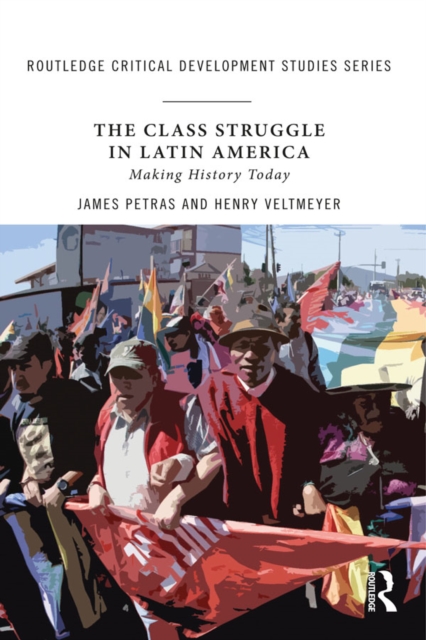
The Class Struggle in Latin America: Making History Today analyses the political and economic dynamics of development in Latin America through the lens of class struggle.
This comprehensive collection draws upon and reengages with a long history of Marxian-anchored thought to analyze the potential for social transformation through a reinvigorated radical Left, all within the context of the ascendance of an increasingly ethnonationalist, patriarchal, and authoritarian far Right worldwide.
This comprehensive collection draws upon and reengages with a long history of Marxian-anchored thought to analyze the potential for social transformation through a reinvigorated radical Left, all within the context of the ascendance of an increasingly ethnonationalist, patriarchal, and authoritarian far Right worldwide.
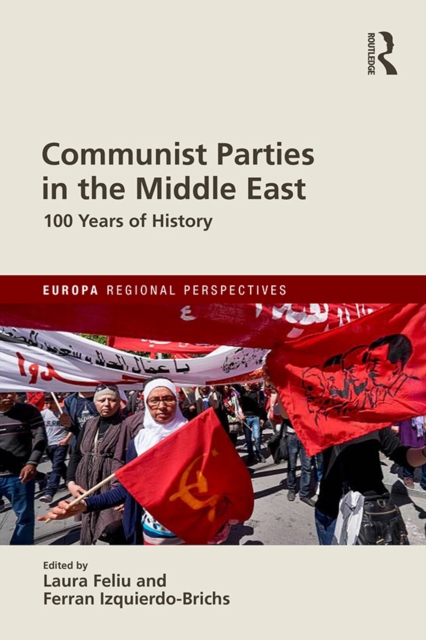
Communist Parties in the Middle East: 100 Years of History
One hundred years since the Russian Revolution, Communist parties have undergone great changes, in an evolution that has affected the entire Left and the social movements.
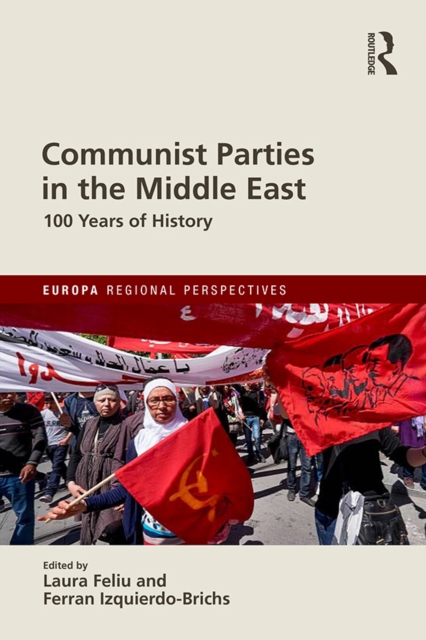
Communist Parties in the Middle East: 100 Years of History
One hundred years since the Russian Revolution, Communist parties have undergone great changes, in an evolution that has affected the entire Left and the social movements.
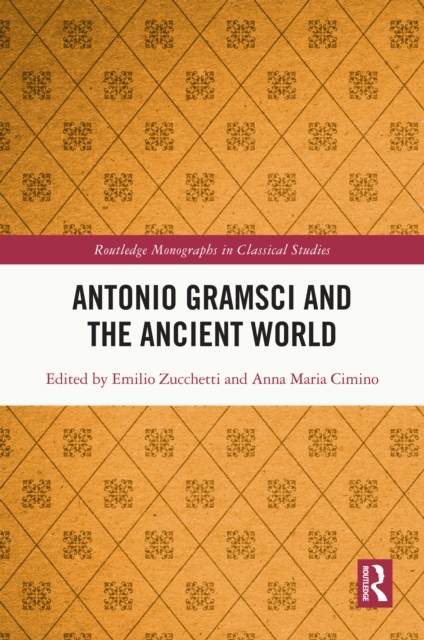
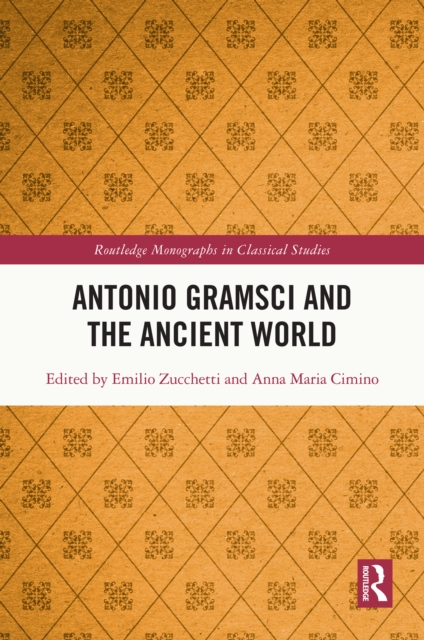
Antonio Gramsci and the Ancient World explores the relationship between the work of the Italian Marxist thinker Antonio Gramsci and the study of classical antiquity.
Antonio Gramsci and the Ancient World explores the relationship between the work of the Italian Marxist thinker Antonio Gramsci and the study of classical antiquity.