On the 100th anniversary of the Russian Revolution, the epic story of an enormous apartment building where Communist true believers lived before their destructionThe House of Government is unlike any other book about the Russian Revolution and the Soviet experiment.
The first in-depth account of the historic diplomatic agreement that served as a blueprint for ending the Cold WarThe Helsinki Final Act was a watershed of the Cold War.
Over the past century, democracy spread around the world in turbulent bursts of change, sweeping across national borders in dramatic cascades of revolution and reform.
The first chronicle of Stalin's inner political and social circle-from a leading Soviet historianStalin was the unchallenged dictator of the Soviet Union for so long that most historians have dismissed the officials surrounding him as mere yes-men and political window dressing.
From Communists to Foreign Capitalists explores the intersections of two momentous changes in the late twentieth century: the fall of Communism and the rise of globalization.
Commentators across the political spectrum have argued that the future has been absorbed by an ever-expanding present to which we cannot imagine alternatives.
Commentators across the political spectrum have argued that the future has been absorbed by an ever-expanding present to which we cannot imagine alternatives.
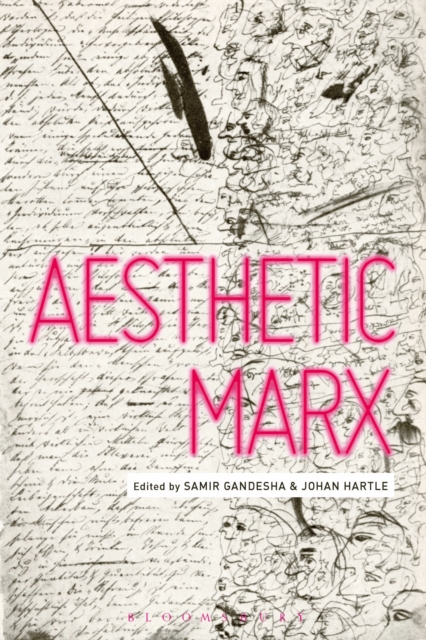
The whole of Marx's project confronts the narrow concerns of political philosophy by embedding it in social philosophy and a certain understanding of the aesthetic.
The whole of Marx's project confronts the narrow concerns of political philosophy by embedding it in social philosophy and a certain understanding of the aesthetic.
Based on extraordinary research: a major reassessment of Ronald Reagan's lifelong crusade to dismantle the Soviet Empire–including shocking revelations about the liberal American politician who tried to collude with USSR to counter Reagan's efforts Paul Kengor's God and Ronald Reagan made presidential historian Paul Kengor's name as one of the premier chroniclers of the life and career of the 40th president.
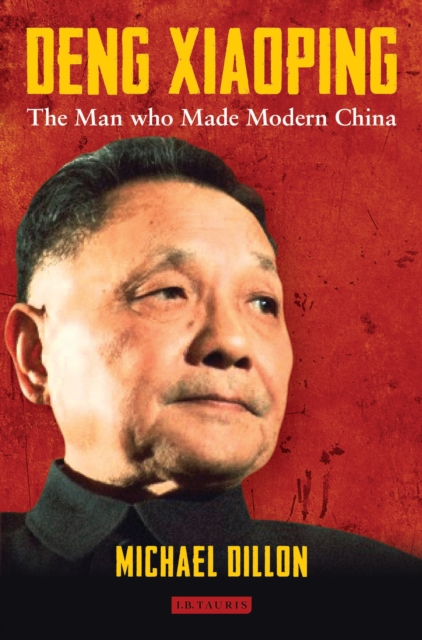
One of the most important figures in global politics during the second half of the 20th century; Deng Xiaoping is generally considered the central figure behind China's economic liberalization programme that produced historically unprecedented growth rates and development beginning in the late 1970s.
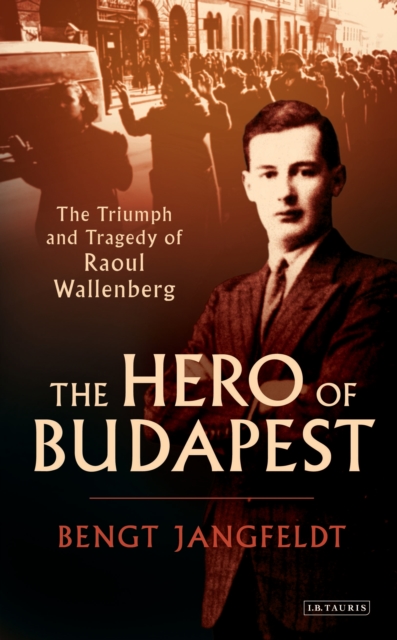
The story of Raoul Wallenberg - the Swedish businessman who, at immense personal risk, rescued many of Budapest's Jews from the Holocaust and subsequently disappeared into the Soviet prison system - is one of the most fascinating episodes of World War II.
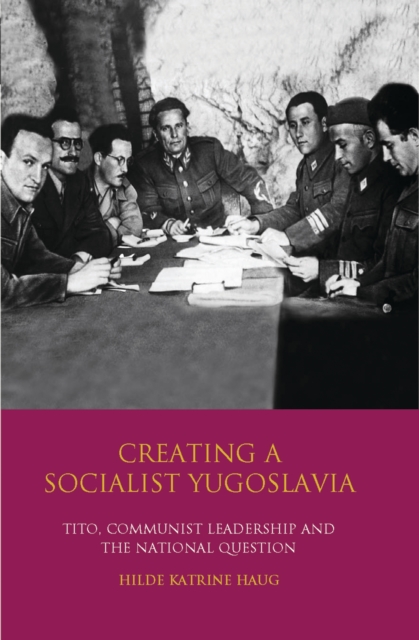
The Yugoslav communist leaders aspired to create a socialist Yugoslavia, and when they came into power in 1945, they claimed to have introduced a socialist solution to the Yugoslav national question.
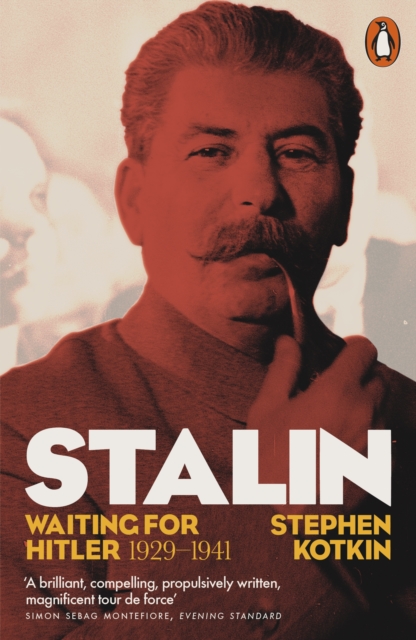
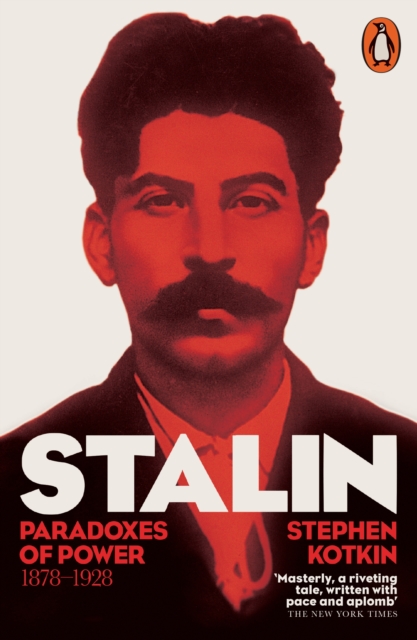
A SUNDAY TIMES HISTORY BOOK OF THE YEAR 2017'A brilliant, compelling, propulsively written, magnificent tour de force' Simon Sebag Montefiore, Evening Standard'The second volume of what will surely rank as one of the greatest historical achievements of our age .
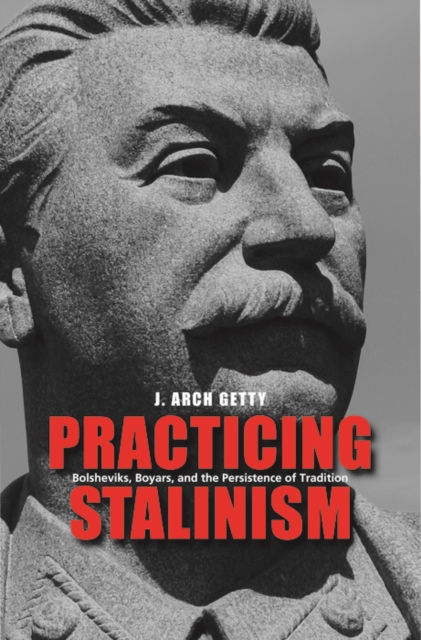
The magnificent new biography that revolutionizes our understanding of Stalin and his worldIn January 1928 Stalin, the ruler of the largest country in the world, boarded a train bound for Siberia where he would embark upon the greatest gamble of his political life.
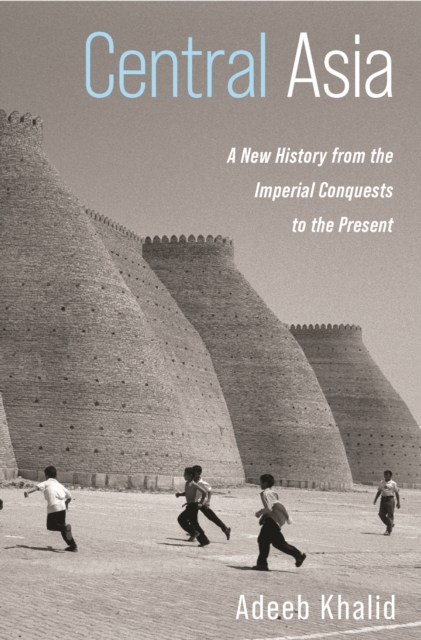
A major history of Central Asia and how it has been shaped by modern world eventsCentral Asia is often seen as a remote and inaccessible land on the peripheries of modern history.
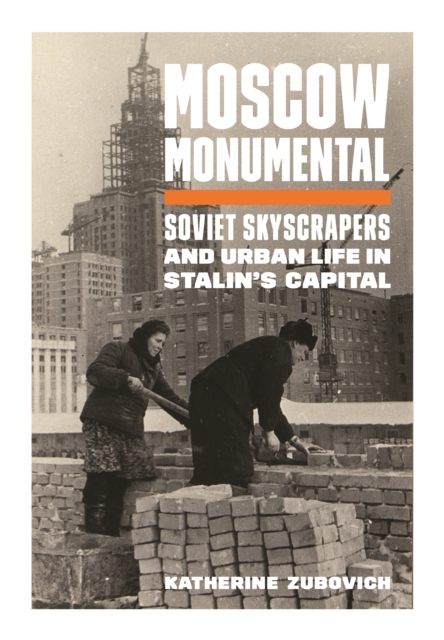
An in-depth history of the Stalinist skyscraperIn the early years of the Cold War, the skyline of Moscow was forever transformed by a citywide skyscraper building project.
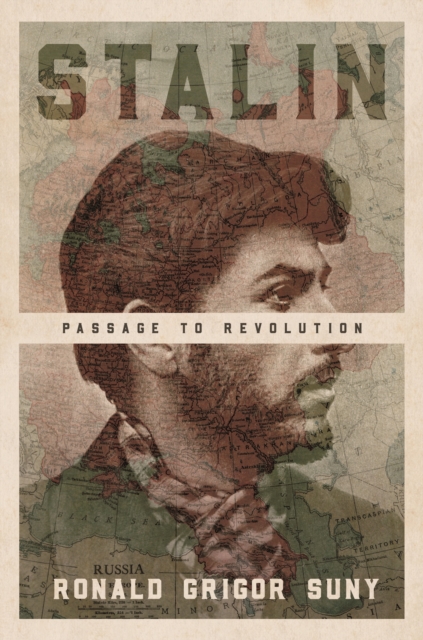
A spellbinding new biography of Stalin in his formative yearsThis is the definitive biography of Joseph Stalin from his birth to the October Revolution of 1917, a panoramic and often chilling account of how an impoverished, idealistic youth from the provinces of tsarist Russia was transformed into a cunning and fearsome outlaw who would one day become one of the twentieth century's most ruthless dictators.
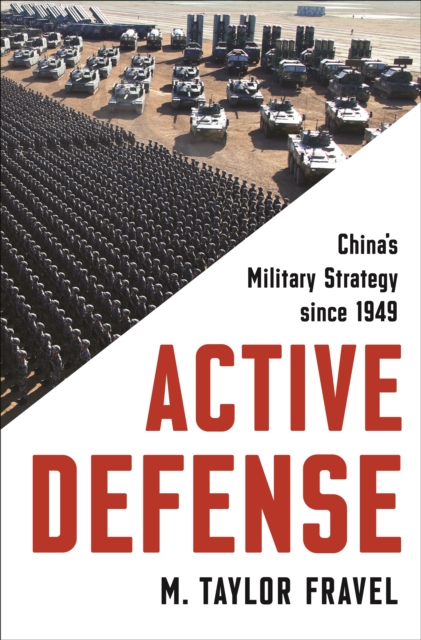
What changes in China's modern military policy reveal about military organizations and strategySince the 1949 Communist Revolution, China has devised nine different military strategies, which the People's Liberation Army (PLA) calls "e;strategic guidelines.
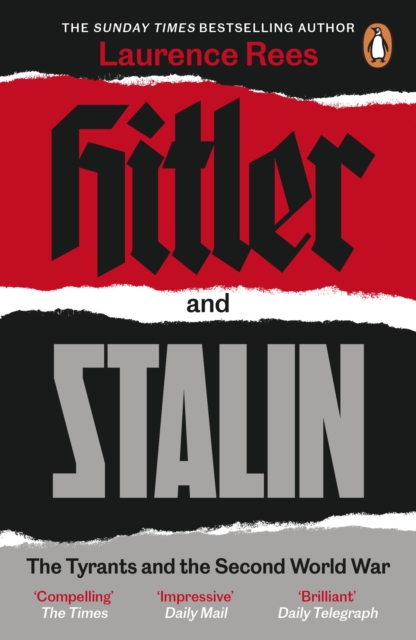
FROM THE SUNDAY TIMES BESTSELLING AUTHOR OF THE HOLOCAUST AND THE NAZI MIND 'You have to read it' Volodymyr Zelensky'Laurence Rees brilliantly combines powerful eye-witness testimony, vivid narrative and compelling analysis in this superb account' Professor Sir Ian Kershaw'In this fascinating study of two monsters, Rees is extraordinarily perceptive and original' Antony BeevorTwo tyrants.
Born in 1941, Tubten Khetsun is a nephew of the Gyatso Tashi Khendrung, one of the senior government officials taken prisoner after the Tibetan peoples' uprising of March 10, 1959.
During the 1920s and 1930s thousands of European and American writers, professionals, scientists, artists, and intellectuals made a pilgrimage to experience the "e;Soviet experiment"e; for themselves.
The long-awaited translation of the classic oral history of Soviet women's experiences in the Second World War - from the winner of the Nobel Prize in LiteratureBringing together dozens of voices in her distinctive style, The Unwomanly Face of War is Svetlana Alexievich's collection of stories from Soviet women who lived through the Second World War: on the front lines, on the home front, and in occupied territories.
SUNDAY TIMES, THE TIMES, FT AND EVENING STANDARD BOOKS OF THE YEAR 2017The momentous new book from the Pulitzer Prize-winning author of Gulag and Iron Curtain.
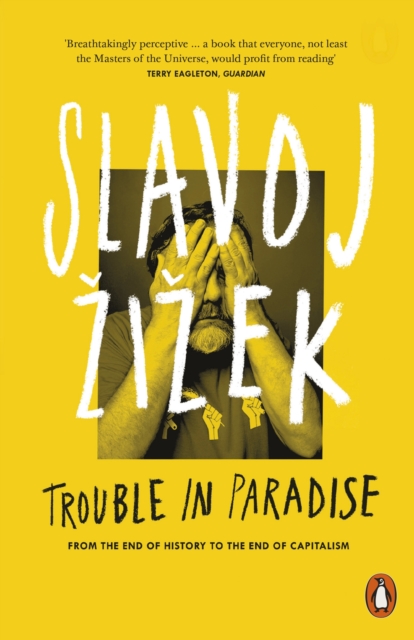
In Trouble in Paradise, Slavoj i ek, one of our most famous, most combative philosophers, explains how by drawing on the ideas of communism, we can find a way out of the crisis of capitalism.
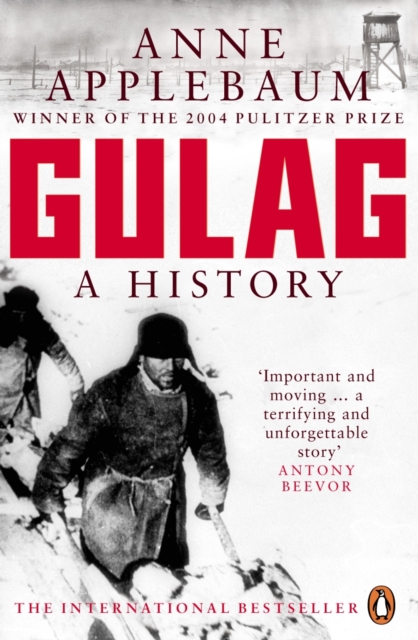
This landmark book uncovers for the first time in detail one of the greatest horrors of the twentieth century: the vast system of Soviet camps that were responsible for the deaths of countless millions.
From the much-loved, witty and excoriating voice of journalist Nick Cohen, a powerful and irreverent dissection of the agonies, idiocies and compromises of mainstream liberal thought.
Karl Marx is one of the most influential philosophers of all time, whose theories have shaped and directed political, economic, and social thought for 150 years.
An expansive and ambitious intellectual history of democratic socialism from one of the world’s leading intellectual historians and social ethicists The fallout from twenty years of neoliberal economic globalism has sparked a surge of interest in the old idea of democratic socialism—a democracy in which the people control the economy and government, no group dominates any other, and every citizen is free, equal, and included.
A poignant collection of letters written by the Latvian poet, novelist, and newspaper editor Arsenii Formakov while interned in Soviet labor camps Emily Johnson has translated and edited a fascinating collection of letters written by Arsenii Formakov, a Latvian Russian poet, novelist, and journalist, during two terms in Soviet labor camps, 1940 to 1947 in Kraslag and 1949 to 1955 in Kamyshlag and Ozerlag.
A new and chilling study of lethal human exploitation in the Soviet forced labor camps, one of the pillars of Stalinist terror In a shocking new study of life and death in Stalin’s Gulag, historian Golfo Alexopoulos suggests that Soviet forced labor camps were driven by brutal exploitation and often administered as death camps.
The first archive-based study of official corruption under Stalin and a compelling new look at the textures of everyday Soviet life after World War II In the Soviet Union, bribery was a skill with its own practices and culture.
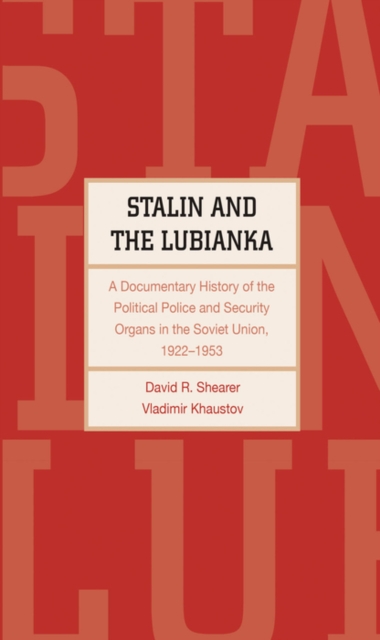
This fascinating documentary history is the first English-language exploration of Joseph Stalin's relationship with, and manipulation of, the Soviet political police.
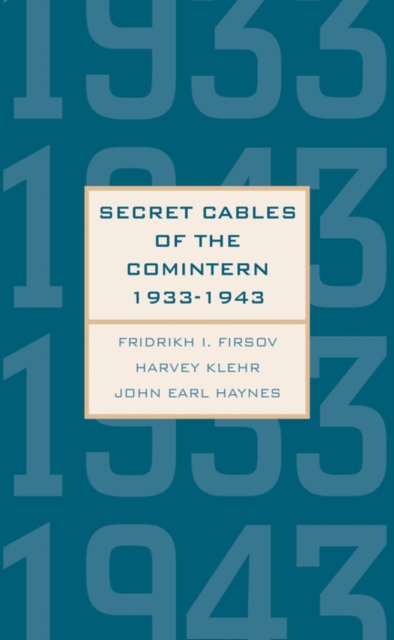
Drawing on secret and therefore candid coded telegraphs exchanged between Communist Party leaders around the world and their overseers at the Communist International (Comintern) headquarters in Moscow, this book uncovers key aspects of the history of the Comintern and its significant role in the Stalinist ruling system during the years 1933 to 1943.
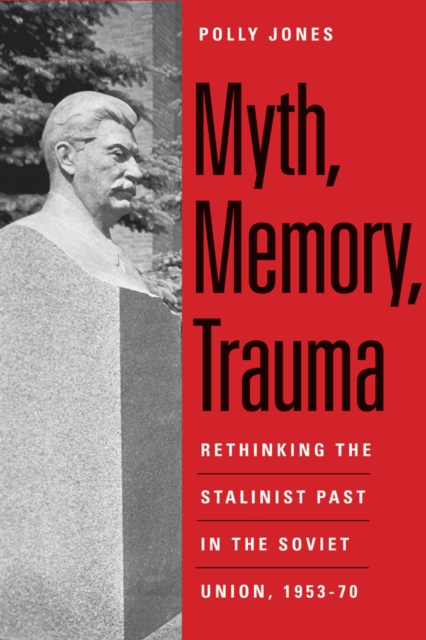
Drawing on newly available materials from the Soviet archives, Polly Jones offers an innovative, comprehensive account of de-Stalinization in the Soviet Union during the Khrushchev and early Brezhnev eras.
Drawing on recently declassified material from Stalin’s personal archive in Moscow, this is the first attempt by scholars to systematically analyze the way Stalin interpreted and envisioned his world—both the Soviet system he was trying to build and its wider international context.
Between the late 1920s and the early 1950s, one of the most persuasive personality cults of all times saturated Soviet public space with images of Stalin.
This book explores Soviet prosecution records to tell the hidden story of ordinary citizens who were arrested for expressing discontent during the Khrushchev and Brezhnev years.