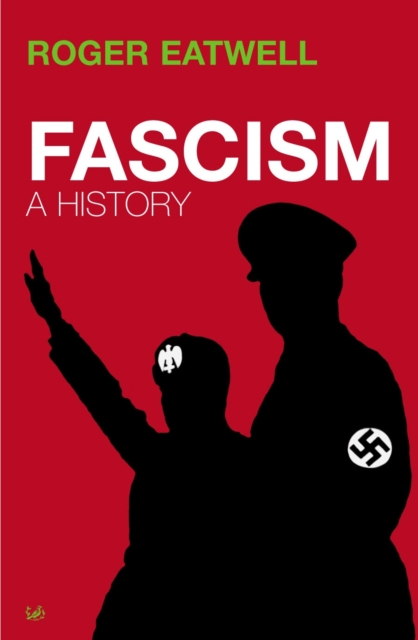
Longlisted for the JQ Wingate Prize On the evening of November 8, 1923, the thirty-four-year-old Adolf Hitler stormed into a beer hall in Munich, fired his pistol in the air, and proclaimed a revolution.
General Montgomery lead the 8th Army to victory at El Alamein in 1942, and as Chief of Land Forces in the Allied invasion of Normandy in 1944 he received Germany's surrender in 1945.
For the last fifty years, the German Occupation of France has been regarded as a period characterised by four things: cold, hunger, the absence of freedom and above all fear; a time when the indigenous population was cruelly and consistently oppressed by the army of occupation.
He becomes everyman s guide to everything exciting in the history of ideas New York Review of BooksIsaiah Berlin was one of the leading thinkers of the twentieth century, and one of the finest writers.
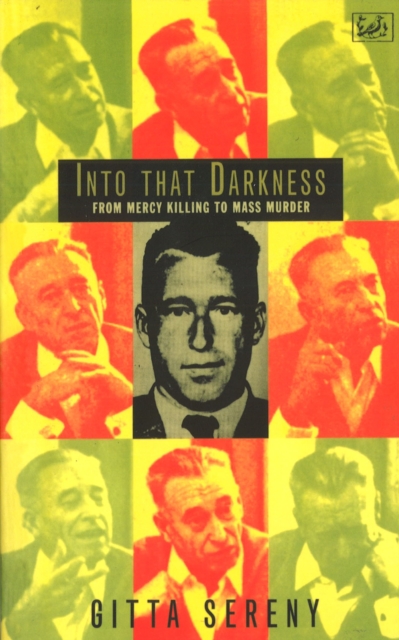
The biography of Franz Stangl, commandant of the Treblinka extermination camp - a classic and utterly compelling study of evilOnly four men commanded Nazi extermination (as opposed to concentration) camps.
'He captures better than anyone the collision of public and private, the intrusion of history into the skin, the pores of every individual alive' Guardian'Though on the morning after the election disbelief prevailed, especially among the pollsters, by the next everybody seemed to understand everything.
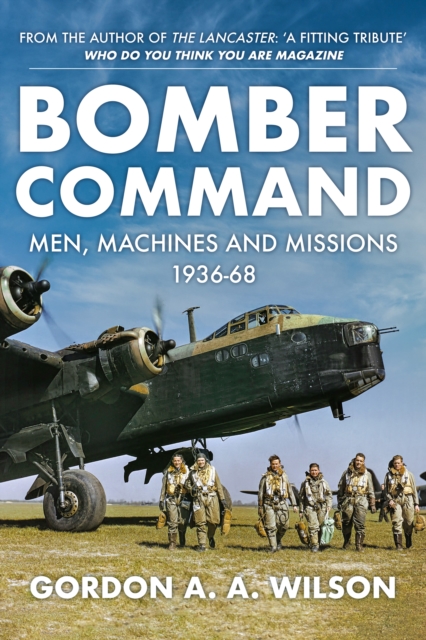
Bomber Command is a richly illustrated account of the Royal Air Force organisation from its inception prior to the Second World War in 1936 to its final years during the Cold War.
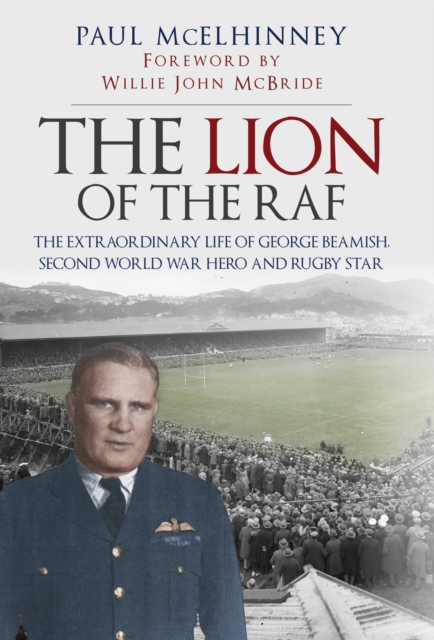
This is the story of a man from early twentieth century rural Cork who rose to the heights of the RAF and excelled as a major figure in international rugby in the 1920s and 1930s.
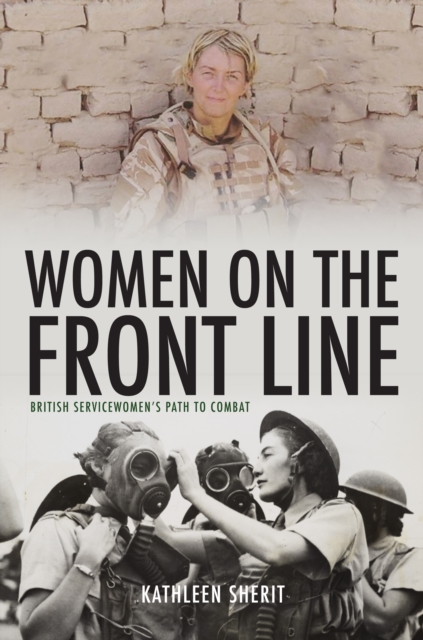
Women on the Front Line explains how women went from unacknowledged participation in combat in the Second World War to the opening of all combat roles by 2018.
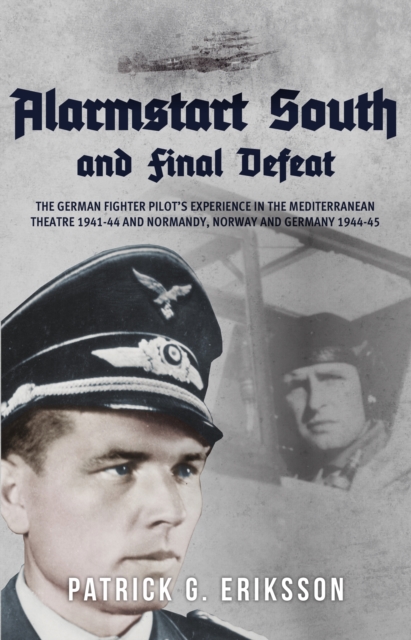
Alarmstart South completes Patrick Eriksson's Alarmstart trilogy on Second World War German fighter pilots, detailing their experiences in the Mediterranean theatre (1941-1944), and during the closing stages of the war over Normandy, Norway and Germany (1944-1945).
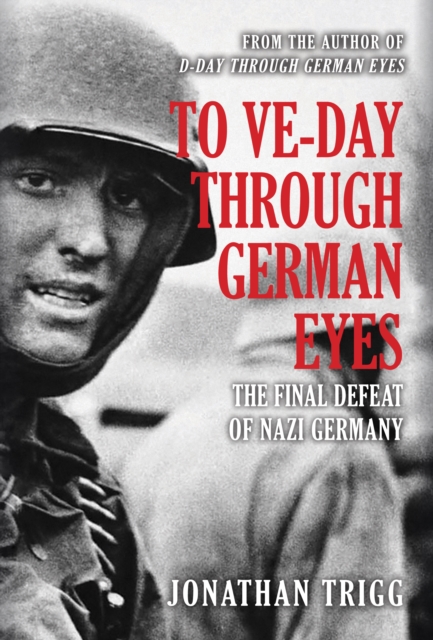
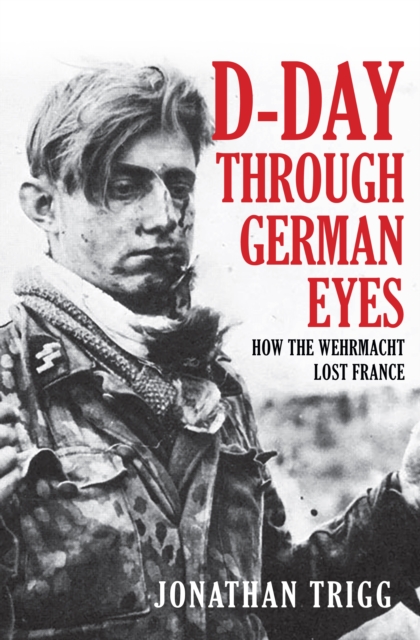
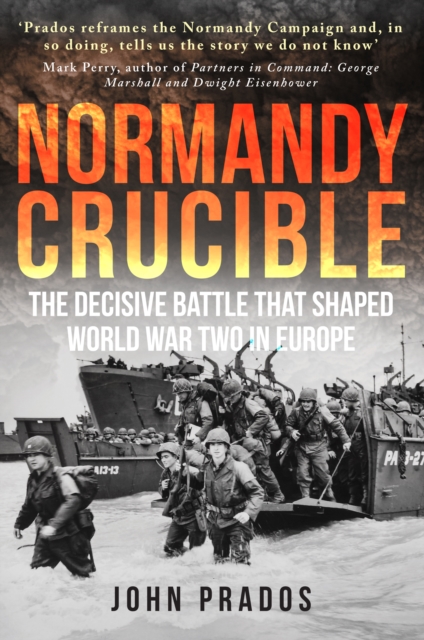
Everyone is familiar with the story of D-Day and the triumphal liberation of France by the Allies: a barbaric enemy was defeated by Allied ingenuity, courage and overwhelming military force, helped by dreadful German command errors and the terrible state of Wehrmacht forces in the West - but is this all true?
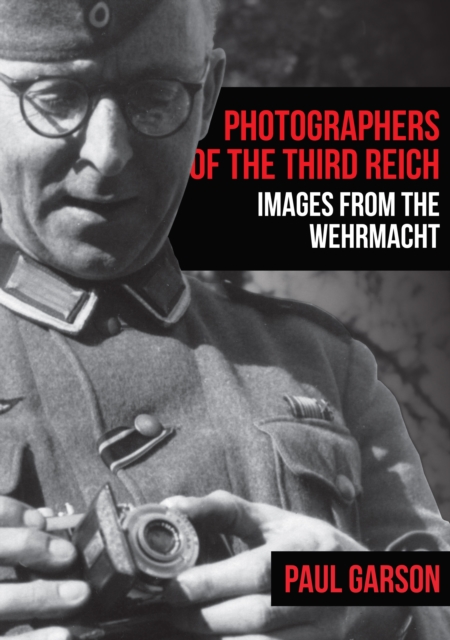
Of the millions of German soldiers who went to war, many were armed with their personal cameras and intent on photographically chronicling their Dienstzeit, or military service, via meticulously prepared albums or by turning their photos into postcards sent to family and friends or as a single photo to carry into battle.
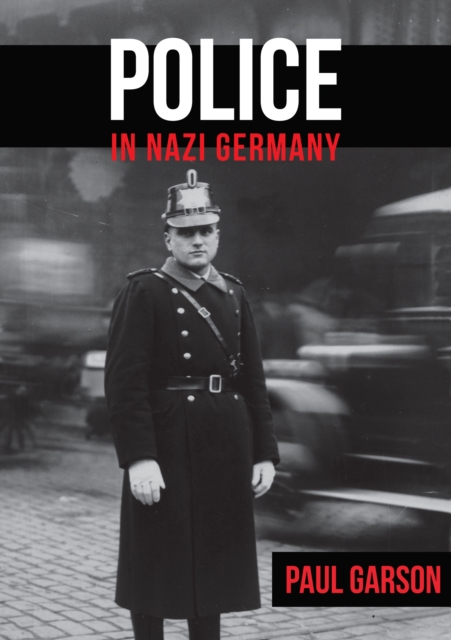
The men featured in this book originally came from Germany's big city police forces, where they had previously dealt with traffic control, street crime and the often violent street demonstrations occurring during Germany's politically turbulent 1920s.
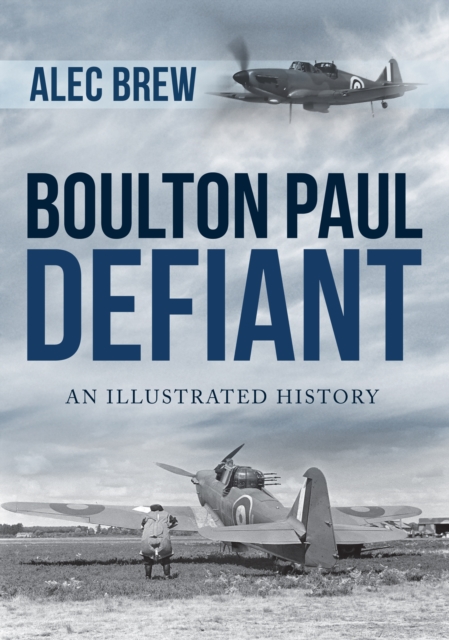
Fighting over the beaches of Dunkirk and in the Battle of Britain, guarding the night skies during the perilous months of the Blitz, pioneering electronic countermeasures, and serving air-sea rescue roles all around our coasts, the Boulton Paul Defiant played a vital part through most of the Second World War, finishing it in the important target-tug role.
Kent has a long and illustrious military history dating back to the Roman occupation but the first great conflict of the twentieth century brought the horrors of war to a new generation.
Though personally remembered by very few people, the interwar period was a fascinating time for railway enthusiasts, with the colourful liveries of the pre-Grouping companies allowing for a wide variety of interesting markings in the run-up to Grouping in 1923.
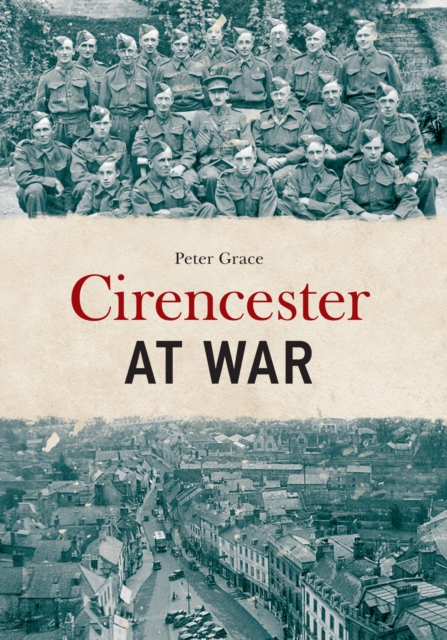
Cirencester at War is a pictoral record of the main events of the Second World War as they impacted on the town of Cirencester and its surrounding district.
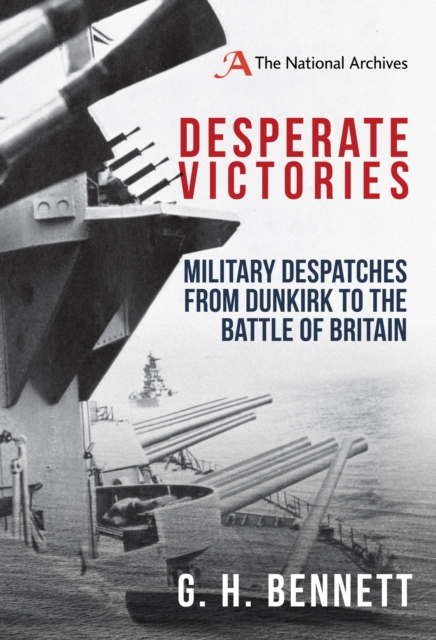
In Desperate Victories, professional historian Harry Bennett provides first-hand accounts and commentary on the British reaction to one of the greatest shocks in military history - the German blitzkrieg in the west.
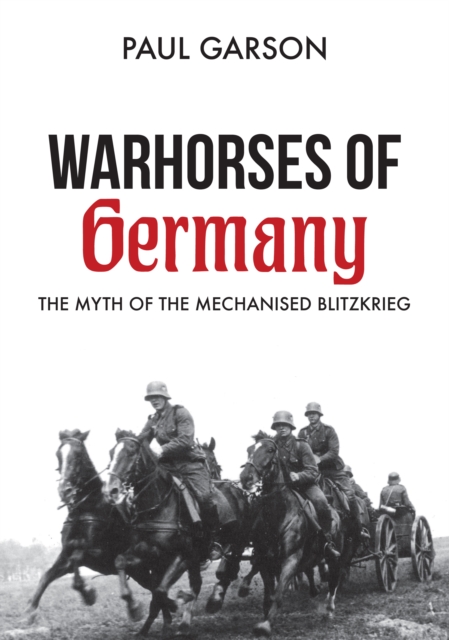
While many films have attempted to convey the experience of the Second World War European battlefield, none adequately portray the mayhem and suffering that befell untold thousands of horses, their bodies impacted by bullet, flame and bomb as well as disease, starvation and backbreaking toil in the searing heat of summer and the freezing winds and snows of winter.